 By admin
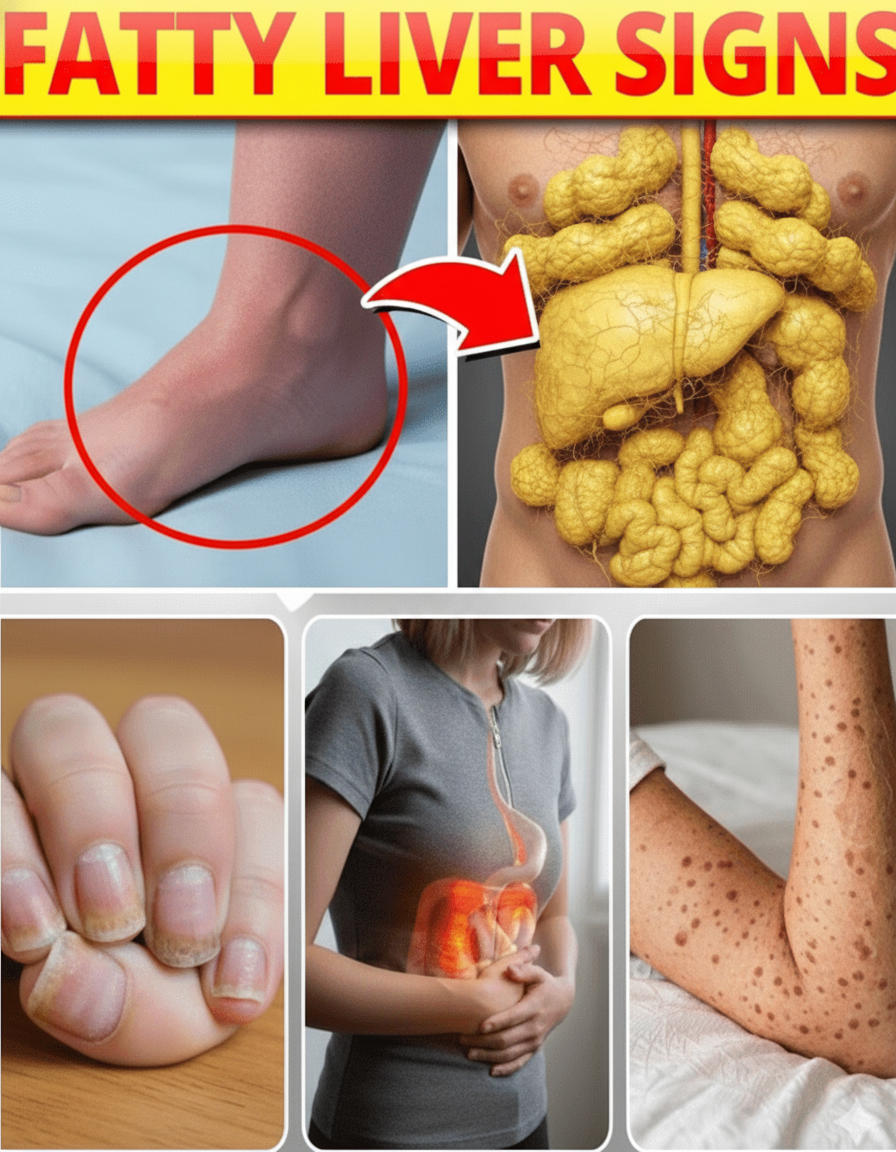
 Quiet Warnings: 10 Subtle Signs Your Body Might Be Sending About Fatty Liver
Imagine finishing a meal and experiencing an unexpected feeling of fullness in your upper abdomen, or waking up exhausted despite a full night’s rest. Such seemingly minor shifts are often dismissed as typical signs of aging, particularly for those over 50. However, these subtle cues might actually be early indicators of fat silently accumulating within your liver. This condition affects millions of adults, often without their knowledge, until it’s discovered during routine medical examinations. What if recognizing these quiet warnings could empower you to proactively support your liver health?
Formerly known as non-alcoholic fatty liver disease (NAFLD) and now widely termed metabolic dysfunction-associated steatotic liver disease (MASLD), this condition is characterized by an excessive buildup of fat within liver cells. Esteemed institutions like the Mayo Clinic and Cleveland Clinic report that MASLD impacts up to one in three adults across various demographics, frequently progressing without noticeable symptoms in its initial phases. Many individuals only become aware of it when blood tests reveal elevated liver enzymes or during evaluations for related metabolic concerns. The challenge lies in how these early signs often mirror common ailments such as everyday tiredness, stress, or the natural process of aging. Crucially, the liver lacks pain-sensing nerves that would provide immediate, dramatic alerts, meaning discomfort tends to develop gradually. Studies underscore that identifying these patterns early and consulting with a healthcare professional can significantly influence long-term well-being. Are you perhaps missing some of the most common signals your body is trying to communicate? Below, we explore 10 subtle symptoms frequently emphasized by health experts, beginning with those most commonly reported. Noticing even a few of these could warrant a discussion at your next medical appointment.
10. Persistent Fatigue That Coffee Can’t Fix
An unshakeable sense of exhaustion, persisting even after adequate rest, frequently ranks as a primary concern. Individuals often report feeling profoundly drained, irrespective of getting a full night’s sleep or consuming their usual morning coffee. Reputable health organizations, including the Mayo Clinic, identify unexplained fatigue as one of the most prevalent and earliest indicators when MASLD symptoms manifest.
9. Mild Discomfort or Fullness in the Upper Right Abdomen
A subtle, persistent ache or an ongoing sensation of pressure beneath your right rib cage, precisely where the liver is located, might initially be mistaken for minor indigestion. The Cleveland Clinic highlights that this indistinct discomfort often emerges before more pronounced symptoms become apparent.
8. Unexplained Weight Changes or Trouble Shedding Stubborn Pounds
Alterations in metabolism, frequently linked to the accumulation of liver fat, can result in persistent weight plateaus or unpredictable weight fluctuations. Many individuals find changes, particularly around the abdominal area, especially disheartening despite consistent efforts.
7. Greater Sensitivity to Alcohol or Certain Medications
With an increased workload on the liver, your body might metabolize alcohol or certain medications less efficiently. This can lead to intensified effects from smaller dosages than you might typically expect.
6. Persistent Itchy Skin Without an Obvious Rash
A number of individuals experience continuous skin irritation or itching without any visible rash. This symptom can potentially be associated with alterations in bile flow as the condition advances.
5. Swelling in Legs, Ankles, or Abdomen
Excess fluid retention within the body can manifest as visible swelling or puffiness, particularly in the lower extremities like the legs and ankles, and sometimes in the abdomen.
4. Darkened Skin Patches, Often on Neck or Armpits
These distinctive, velvety dark patches of skin, medically termed acanthosis nigricans, frequently appear on the neck or in the armpits. Their presence is often correlated with underlying insulin resistance in numerous instances.
3. Brain Fog or Trouble Focusing
Experiencing difficulty with concentration or a general sense of mental fogginess can arise as the body contends with the internal accumulation of substances. However, the subsequent two symptoms typically indicate more advanced stages of the condition and necessitate prompt medical evaluation.
2. Yellowing of the Skin or Eyes (Jaundice)
The development of a yellowish discoloration in the whites of the eyes or across the skin, known as jaundice, serves as a more definitive sign that the condition may have advanced significantly.
1. Confusion or Noticeable Personality Shifts
In more uncommon but severe instances, significant mental alterations or distinct changes in personality can manifest. Such symptoms invariably warrant immediate medical attention.
Early vs. Advanced: How These Signs Typically Progress
Understanding the progression of MASLD symptoms can be crucial for timely intervention:
- Early Stage (Frequently Asymptomatic or Subtle): During this initial phase, symptoms like persistent fatigue, mild discomfort in the upper right abdomen, or a general feeling of being unwell may indicate the early accumulation of fat in the liver.
- Moderate Stage: As the condition progresses, individuals might experience challenges with weight management, unexplained itchy skin, fluid retention leading to swelling, and noticeable skin changes such as darkened patches. These signs could point to the onset of inflammation.
- Advanced Stage: In more severe cases, clearer indicators emerge, including jaundice (yellowing of the skin or eyes), confusion, and pronounced swelling. These symptoms signal a higher risk of serious complications, such as liver scarring (fibrosis or cirrhosis).
Studies consistently highlight that many cases identified in their early stages respond favorably to targeted lifestyle interventions. Conversely, delaying action can unfortunately lead to further progression and more severe health outcomes.
Simple Steps You Can Take Right Now to Support Your Liver
If you recognize any of these potential indicators in your own health, leading health professionals recommend initiating the following proactive measures:
- Schedule a Comprehensive Medical Checkup: It’s vital to openly discuss any observed symptoms with your doctor. Routine blood tests can effectively assess liver enzyme levels, providing crucial insights.
- Implement Small, Sustainable Dietary Adjustments: Prioritize incorporating more nutrient-rich vegetables, whole grains, and lean protein sources into your daily meals. Simultaneously, aim to reduce your intake of highly processed foods and beverages laden with sugar.
- Increase Daily Physical Activity: Strive for at least 30 minutes of moderate-intensity activity, such as brisk walking, on most days of the week. Even light physical activity can significantly benefit liver health.