 By admin
 For countless men aged 50 and above, an enlarged prostate or bothersome urinary symptoms can significantly disrupt daily comfort and sleep quality. These common issues often manifest as frequent nocturnal bathroom visits, leading to frustration and a potential dip in confidence during routine activities. While numerous medical interventions are available, there’s a burgeoning interest in exploring natural dietary strategies—specifically, everyday foods abundant in beneficial compounds—to support holistic prostate wellness. Among these, red onions stand out as a particularly promising food source, celebrated for their wealth of potent plant-based nutrients. This article will delve into the scientific insights concerning red onions, spotlight their crucial active compound, quercetin, and provide practical methods to seamlessly incorporate them into your diet for potential prostate health benefits.
The Unique Edge of Red Onions for Men’s Wellness
Red onions are distinguished members of the Allium family, a group that also includes well-known vegetables like garlic and leeks, all recognized for their beneficial sulfur compounds and powerful antioxidants. Notably, the vibrant red varieties typically boast a greater concentration of flavonoids, especially quercetin, when compared to their white or yellow counterparts. Quercetin itself is a formidable antioxidant and exhibits significant anti-inflammatory characteristics. Scientific investigations suggest a positive correlation between diets rich in Allium vegetables and improved prostate health outcomes in various demographics. For instance, an epidemiological study observed that men who regularly consumed more onions and garlic experienced a lower incidence of benign prostatic hyperplasia (BPH) symptoms. Furthermore, animal studies utilizing extracts from red onion scales have showcased protective effects against induced prostate changes, notably linked to a reduction in inflammatory markers. It’s also worth noting that the papery outer layers and skins of red onions are particularly dense in quercetin, making them a valuable component even in simple home culinary applications.
Unpacking Quercetin’s Role in Prostate Support
Across numerous laboratory and animal investigations, quercetin has demonstrated an ability to influence key cellular processes within the prostate. It consistently exhibits the capacity to mitigate inflammation, a recognized contributor to prostate discomfort. In vitro studies, conducted on prostate cell lines, further indicate that quercetin may help to suppress specific pathways associated with abnormal cell growth and survival. Several scientific reviews highlight its potential as a chemopreventive agent, implying it could assist in preserving healthy cellular function over the long term. Moreover, observational data gathered from human populations connects a greater intake of flavonoids, including quercetin, with a reduced prevalence of prostate-related issues. For example, men with diets rich in quercetin have shown associations with lower risks in specific study groups. It is crucial to remember, however, that while these findings from preclinical and population studies are encouraging, comprehensive, large-scale human clinical trials are still required to conclusively establish direct causal links. Beyond its specific prostate-focused attributes, red onions offer a spectrum of other health advantages.
Broader Health Benefits of Incorporating Red Onions
Beyond their potential impact on prostate health, red onions deliver a wide array of wellness advantages, largely attributable to their rich nutrient composition. They are packed with powerful antioxidants that actively combat oxidative stress throughout the body. Furthermore, these versatile vegetables contribute to cardiovascular well-being by potentially assisting in blood pressure regulation. Thanks to their vitamin C content and unique sulfur compounds, red onions also play a role in supporting robust immune function. Their prebiotic fibers are excellent for promoting a healthy digestive system, nourishing beneficial gut bacteria. Consistently including red onions in your meals can significantly elevate the overall nutritional quality of your diet.
Practical Methods to Integrate Red Onions into Your Diet
Harnessing the health benefits of red onions doesn’t require elaborate culinary skills or intricate recipes. Below, we’ve outlined some straightforward and practical approaches to incorporate them into your everyday meals.
Quick Pickled Red Onions: A Simple Recipe (Grandma’s Inspiration)
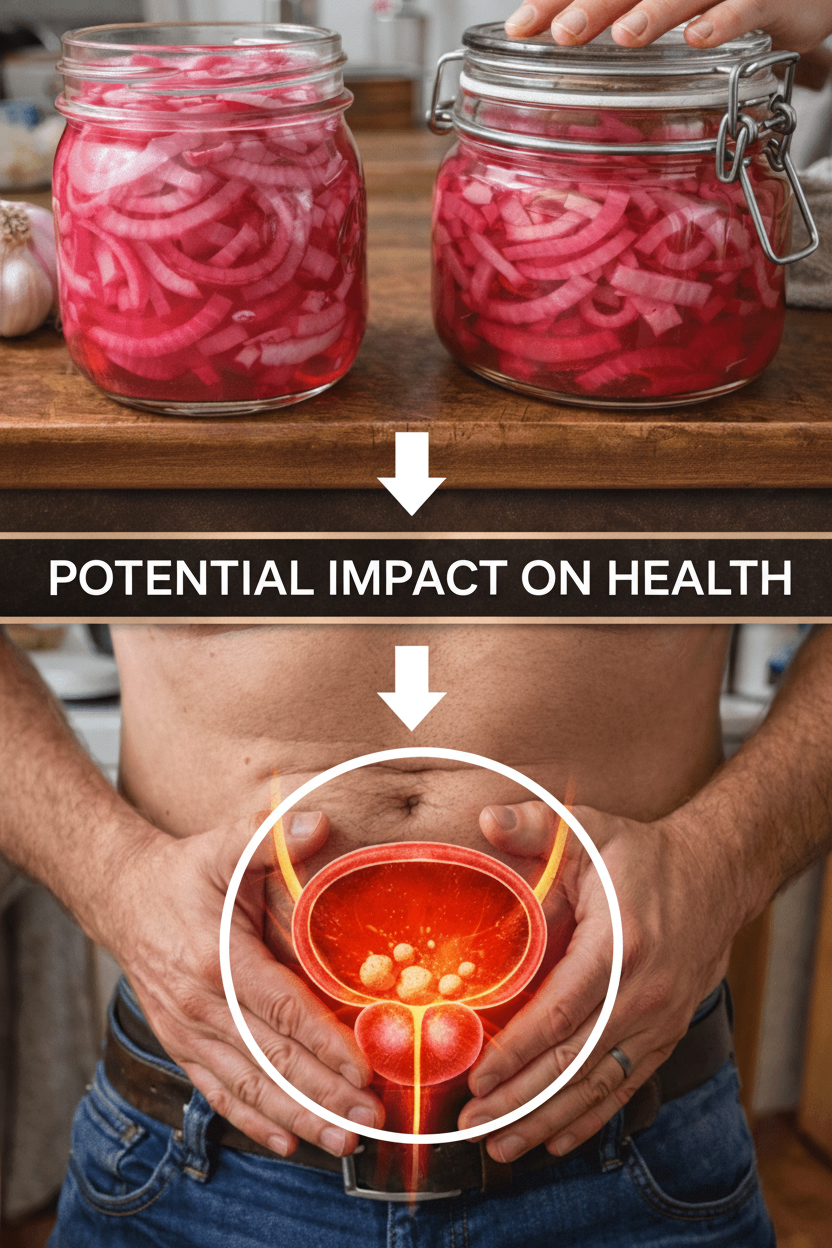
This delightful, tangy preparation not only extends the shelf life of onions but also transforms them into a versatile condiment, perfect for elevating a variety of dishes.
Ingredients:
- 2 medium red onions, thinly sliced
- 1 cup apple cider vinegar
- 1 cup water
- 2 tablespoons honey or sugar
- 1 teaspoon salt
- Optional: peppercorns, garlic cloves, or bay leaves for extra flavor
Here’s how to prepare them:
- Thinly slice the red onions and carefully pack them into a clean glass jar.
- In a saucepan, gently heat the apple cider vinegar, water, sweetener (honey or sugar), and salt until all ingredients are fully dissolved. Avoid bringing it to a rapid boil.
- Carefully pour the hot liquid mixture over the sliced onions, ensuring they are completely submerged.
- Allow the jar to cool to room temperature, then refrigerate for a minimum of 30 minutes. For optimal flavor development, chilling for 24 hours is recommended.
- These pickled onions are excellent on salads, sandwiches, tacos, or as a vibrant side dish. This preparation method effectively preserves both their vivid color and beneficial compounds.
Maximizing Benefits: Utilizing Onion Skins
The often-discarded papery outer skins of red onions are, in fact, incredibly rich in quercetin. Although not typically consumed directly, a gentle tea or infusion prepared from them can effectively extract these valuable compounds, offering an additional health boost.
Follow these simple steps for a basic onion skin infusion:
- Gather clean, dry outer skins from approximately 4-5 red onions. Ensure they are free from any blemishes.
- Gently rinse the collected skins to remove any surface dirt or debris.
- Place the cleaned skins into a pot with 4 cups of water.
- Allow the mixture to simmer softly for 10-15 minutes, taking care to avoid a vigorous boil to best preserve the delicate compounds.
- Strain the liquid to separate the skins, then let the infusion cool.
- Consume 1 cup daily, or incorporate it into soups and broths. A small starting dose is advisable to assess individual tolerance, as the flavor intensity can vary.
Red Onion Preparations: A Comparative Overview
To help you choose the best way to enjoy red onions, here’s a comparative overview of different preparations:
| Preparation | Quercetin Retention | Ease of Use | Best For | Flavor Profile |
|---|---|---|---|---|
| Fresh Raw | High | Very Easy | Salads, sandwiches | Sharp, pungent |
| Quick Pickled | Good | Easy | Toppings, sides |