 By admin
 Red Rings & Hair Loss on Your Child’s Scalp? Understanding and Treating Tinea Capitis
The Moment Every Parent Feels Panic
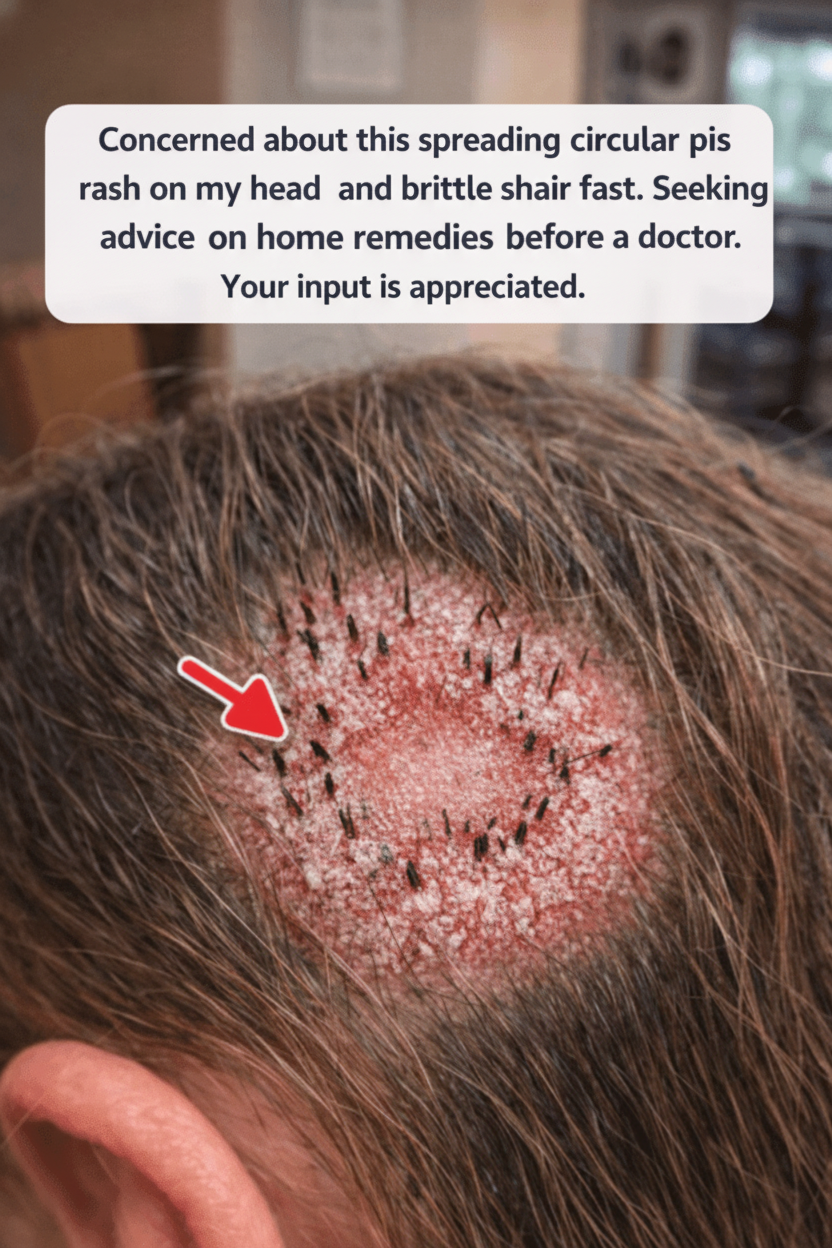
Discovering a red, circular patch on your child’s scalp, accompanied by noticeable hair breakage, can trigger immediate parental concern. Your mind might race with questions: “Is this a serious condition? Will it worsen?” Such anxiety is perfectly normal; witnessing your child in distress is challenging. You might even experience feelings of embarrassment or guilt, questioning if you overlooked crucial signs. However, before panicking or making an emergency room visit, there are calm and effective steps you can take. This guide will walk you through essential actions many parents often miss, which can significantly impact your child’s recovery and your peace of mind.
What Causes These Scalp Concerns?
The appearance of red, circular lesions on the scalp, coupled with brittle hair that easily breaks, is typically indicative of a fungal infection, commonly known as scalp ringworm or tinea capitis. Despite its misleading name, this condition is not caused by worms but by microscopic fungi. These fungi flourish in warm, damp environments, making children—whose immune systems are still maturing—particularly susceptible. The characteristic redness is a result of inflammation in the infected region, while the fungus attacks and weakens the hair shafts near the scalp surface, causing them to fracture rather than shed naturally. Grasping this underlying cause is crucial for parents, as it helps alleviate undue alarm and directs them towards appropriate and safe care strategies.
Identifying Scalp Ringworm (Tinea Capitis)
Tinea capitis stands out as a prevalent scalp infection, particularly among school-aged children. Its highly contagious nature means it can spread through several pathways:
- Direct physical contact with an infected individual.
- Interaction with pets that harbor the fungi.
- Sharing personal items such as hats, combs, or hair accessories.
- Utilizing brushes or other hair tools contaminated with fungal spores.
Parents should be vigilant for these common symptoms:
- Distinct circular red or scaly patches on the scalp.
- Reports of itching or a mild burning sensation.
- Tiny black dots visible where hairs have broken off at the follicle.
- Noticeable patchy hair thinning or bald spots.
Given its ease of transmission in environments like schools and playgrounds, prompt identification is vital not only for your child’s health but also to prevent further spread to other children.
Differentiating Tinea Capitis from Other Scalp Conditions
It’s common for parents to initially mistake scalp ringworm for other prevalent scalp conditions. Understanding the key distinctions can prevent misdiagnosis and ensure appropriate care:
| Condition | Key Signs | Difference from Scalp Ringworm |
|---|---|---|
| Dandruff | White or yellowish flakes, often accompanied by an oily or dry scalp. | Lacks the distinct circular red patches and does not cause localized hair breakage. |
| Eczema (Dermatitis) | Generalized red, inflamed, and often dry or weeping skin, which may appear on other parts of the body. | Typically does not form a well-defined ring pattern or lead to hair snapping at the scalp level. |
| Head Lice | Intense scalp itching, with visible lice (small insects) or nits (tiny eggs) attached to hair shafts. | Does not present with circular bald patches or the characteristic red, scaly lesions of ringworm. |
Scalp ringworm is uniquely characterized by its distinct round, often expanding, pattern and the specific symptom of localized hair snapping close to the scalp surface.
When to Seek Immediate Medical Attention
While many cases of tinea capitis require medical evaluation, certain symptoms warrant immediate professional attention. Consult a doctor without delay if you observe any of the following in your child:
- A fever exceeding 38°C (100.4°F).
- Significant swelling or intense pain in the scalp area.
- The presence of pus, oozing discharge, or thick crusting on the affected patches.
- Rapid and noticeable spreading of the red lesions.
- Your child appears unusually lethargic, irritable, or generally unwell.
Remember, when in doubt, it is always the safest course of action to have a pediatrician thoroughly evaluate your child’s condition.
Supportive Home Care While Awaiting a Doctor’s Visit
While you are in the process of arranging a medical appointment, certain supportive home care measures can help manage the condition and prevent further spread:
Gentle Scalp Cleaning:
- Wash your child’s scalp using a mild, fragrance-free shampoo and lukewarm water.
- Be extremely gentle; avoid harsh scrubbing or vigorous rubbing of the affected areas to prevent irritation and worsening the infection.
Preventing Scratching:
- Help your child avoid scratching the itchy patches. Distract them with engaging activities like games, reading, or storytelling.
- Scratching can not only spread the fungal infection to other body parts or individuals but also introduce bacteria, potentially leading to secondary bacterial infections.
Strict Hygiene Control:
- Regularly wash all items that come into contact with your child’s head, such as pillowcases, bedding, hats, and hair ties, in hot water.
- Ensure these items are thoroughly dried, as heat and dryness help to eliminate fungal spores and prevent reinfection or transmission.
Critical Don’ts: Harmful Practices to Avoid
In your concern for your child, it’s natural to seek solutions. However, it is absolutely crucial to steer clear of unproven or potentially harmful home remedies, especially those circulating on social media. Avoid applying the following to your child’s scalp:
- Vinegar or raw garlic: These can cause severe irritation and chemical burns.
- Undiluted essential oils: Many essential oils are potent and can lead to skin sensitization or allergic reactions.
- Harsh scrubbing brushes or alcohol-based treatments: These can damage the delicate scalp skin, worsening inflammation and pain.
- Over-the-counter (OTC) creams not specifically formulated for scalp fungal infections: Most topical creams are ineffective against tinea capitis because the fungus resides deep within the hair follicles, where surface-level treatments cannot reach.
Such practices can not only worsen inflammation and irritate your child’s sensitive skin but also delay proper medical treatment.
Why Over-the-Counter Topical Treatments Often Fall Short
Many parents wonder why readily available over-the-counter (OTC) topical creams are generally ineffective for scalp ringworm. The primary reason is that the fungal infection, tinea capitis, resides deep within the hair follicles, beneath the skin’s surface. Topical creams simply cannot penetrate deeply enough to eradicate the fungus at its source.
Effective treatment almost always requires oral antifungal medications. These prescription drugs are absorbed into the bloodstream, reaching the fungus within the hair follicles from the inside out. In conjunction with oral medication, doctors often prescribe medicated shampoos. While these shampoos don’t cure the infection, they play a crucial role in reducing the shedding of fungal spores, thereby minimizing the risk of transmission to others. It’s important to note that a full course of treatment typically spans several weeks to ensure complete eradication of the infection and prevent recurrence.
Nurturing Your Child’s Emotional Well-being
The visible