 By admin
 Revitalize Your Feet: An Easy At-Home Wax Softening Routine for Cracked Heels
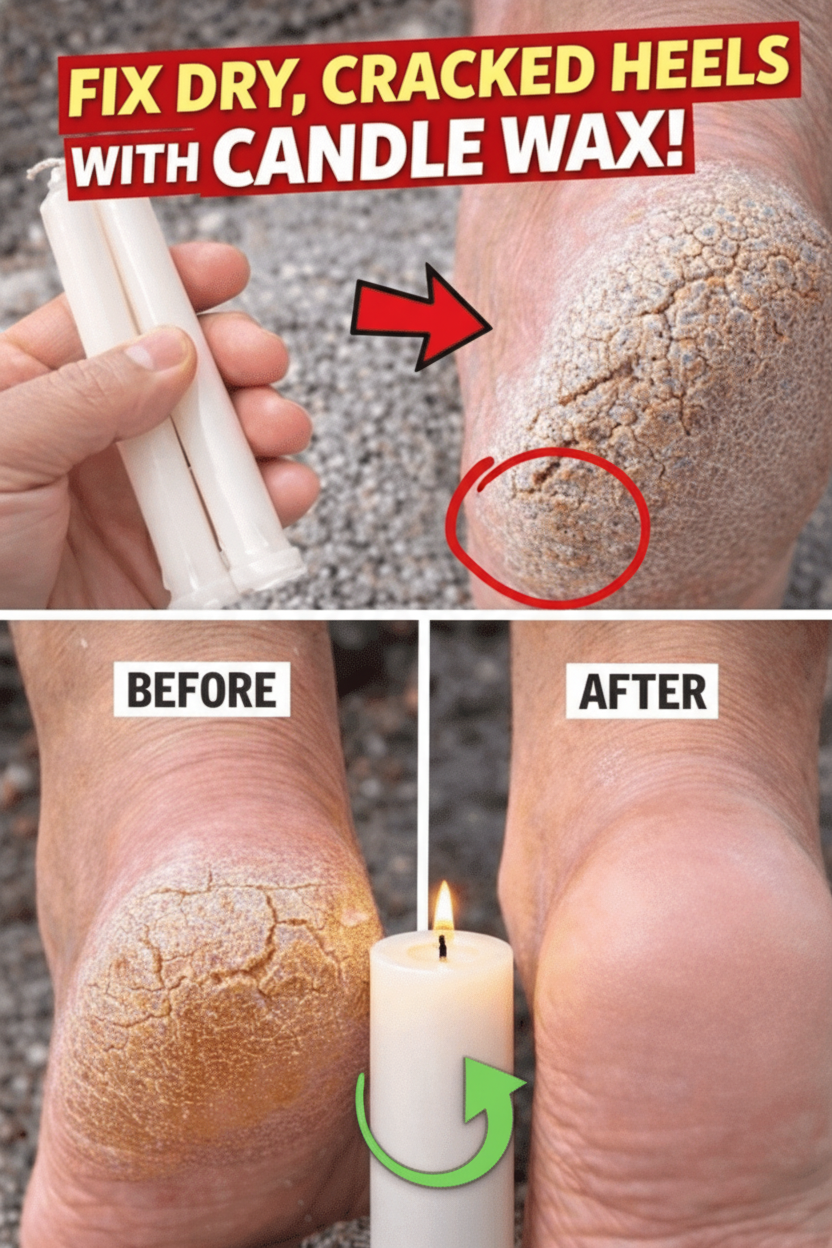
Cracked heels can transform every step into an uncomfortable experience. The dry, rough skin often leads to tightness, occasional tenderness, and an appearance that many find frustrating, prompting them to hide their feet. This common issue affects countless individuals throughout the year, stemming from factors like shifting weather, prolonged periods of standing, or simply insufficient moisture in this crucial area. The encouraging news is that effective, gentle at-home methods, utilizing everyday items like wax, can significantly help soften and hydrate the skin as part of your regular foot care regimen.
In this comprehensive guide, we’ll delve into a popular wax-based approach, inspired by luxurious spa-style paraffin treatments. We’ll explain the science behind why it offers relief, and provide clear, safe instructions for you to try this soothing routine at home. Plus, discover additional tips to maintain softer, healthier feet for longer.
Why Do Heels Develop Cracks So Easily?
The skin on our heels is naturally thicker, designed to withstand the constant pressure and weight of our bodies. However, it possesses fewer oil glands compared to other body parts. When this skin loses moisture and becomes dehydrated, it also loses its natural flexibility, leading to the development of those familiar deep lines or fissures. Several common factors can trigger this process:
- Cold, Arid Climates: Dry air actively draws moisture away from the skin.
- Excessive Hot Showers or Baths: High temperatures can strip the skin of its essential natural oils.
- Barefoot Walking or Open-Backed Footwear: These habits expose heels to greater friction and environmental dryness.
- Inconsistent Moisturizing: Failing to hydrate regularly after washing can exacerbate dryness.
Over time, these seemingly minor influences accumulate, transforming mild dryness into noticeable cracks that can sometimes become quite sensitive or painful.
The Appeal of Wax for Foot Softening: What Makes it Effective?
Paraffin wax, commonly found in plain, white candles, has been a staple in salons and spas for decades as a heat-based moisturizing therapy. Both scientific research and practical clinical observations indicate that warm paraffin creates a temporary occlusive barrier. This means it effectively seals in the skin’s natural moisture, while its gentle warmth simultaneously promotes improved circulation and relaxation in the treated area. Studies focusing on paraffin therapy, particularly for hands and feet, suggest it can:
- Significantly soften rough, dry patches of skin.
- Enhance skin suppleness through the combined effects of heat and its emollient properties.
- Provide a deeply soothing sensation, offering relief to tired and achy feet.
This technique mirrors the professional paraffin dips often utilized in podiatry or high-end spa environments for addressing severe dry skin concerns. At home, individuals adapt this method by combining simple candle wax with nourishing oils to create an accessible DIY version. It’s crucial to remember, however, that results can vary from person to person, and the key lies in consistent, gentle care rather than expecting instant, miraculous transformations.
Step-by-Step: A Gentle Wax Softening Routine for Your Heels
This straightforward routine is inspired by popular at-home adaptations of professional paraffin treatments. Always prioritize safety: meticulously test temperatures and refrain from use if you have any open wounds, active infections, or known sensitivity to heat.
What You’ll Need:
- 2–3 Plain White Candles: Opt for unscented, non-colored paraffin wax for best results.
- 1–2 Tablespoons of Carrier Oil: Coconut oil or olive oil are excellent choices for added nourishment.
- A Small Heat-Safe Bowl or Double Boiler Setup: Essential for safe wax melting.
- Clean Socks or Plastic Wrap: To help retain warmth and moisture.
- Pumice Stone or Gentle Foot File (Optional): For use after soaking to carefully remove softened dead skin.
Step 1: Prepare Your Feet (5–10 minutes)
Begin by soaking your feet in warm (not excessively hot) water mixed with a small amount of mild soap for approximately 10 minutes. This initial step helps to soften the outermost layer of your skin. After soaking, gently pat your feet completely dry.
Step 2: Safely Melt the Wax (5 minutes)
Break or grate the candles into smaller pieces. Place these pieces into a heat-safe container positioned over a pot of simmering water (the double boiler method is recommended for safety) or use short bursts in a microwave with extreme caution. Once the wax is fully melted, stir in 1–2 tablespoons of your chosen carrier oil. Heat the mixture until it is entirely liquid and comfortably warm – always test a small amount on your wrist first to ensure it’s warm, never hot enough to cause a burn.
Step 3: Apply the Warm Mixture
Using a brush or by carefully pouring, apply the warm wax-oil blend evenly over your clean, dry heels. Build up 3–5 thin layers, allowing each layer to cool and slightly harden before applying the next. Ensure your heels are completely covered.
Step 4: Allow It to Work
Once the layers are applied, wrap your feet in plastic wrap or slip on a pair of thick cotton socks. Relax for 15–30 minutes. The sustained warmth helps the wax and oil mixture penetrate the skin more effectively, while the occlusive layer seals in vital hydration.
Step 5: Remove and Finish
Gently peel or rub off the hardened wax from your heels. Massage any residual oil into your skin until fully absorbed. If desired, you can lightly buff your heels with a pumice stone or foot file to remove any softened dead skin, but avoid over-exfoliation. Many individuals report noticeably softer and smoother heels with consistent use, typically 2–3 times per week.
Extra Tips to Support Softer Heels Long-Term
To maximize the benefits of your wax routine and maintain lasting foot health, incorporate these additional habits into your daily regimen:
- Daily Hydration Ritual: Immediately after bathing, while your skin is still damp, apply a rich, thick moisturizer. Look for creams containing ingredients like urea, shea butter, hyaluronic acid, or ceramides, which are excellent for deep hydration.
- Smart Footwear Choices: Opt for closed-back shoes that provide ample cushioning and support. This helps to minimize friction and pressure on your heels, reducing the likelihood of cracks developing.