 By admin
 Many seniors turn to vitamin B supplements every day hoping to boost energy, sharpen memory, and feel more vibrant as the years add up. It’s a smart move for many, trying to keep that spark alive!
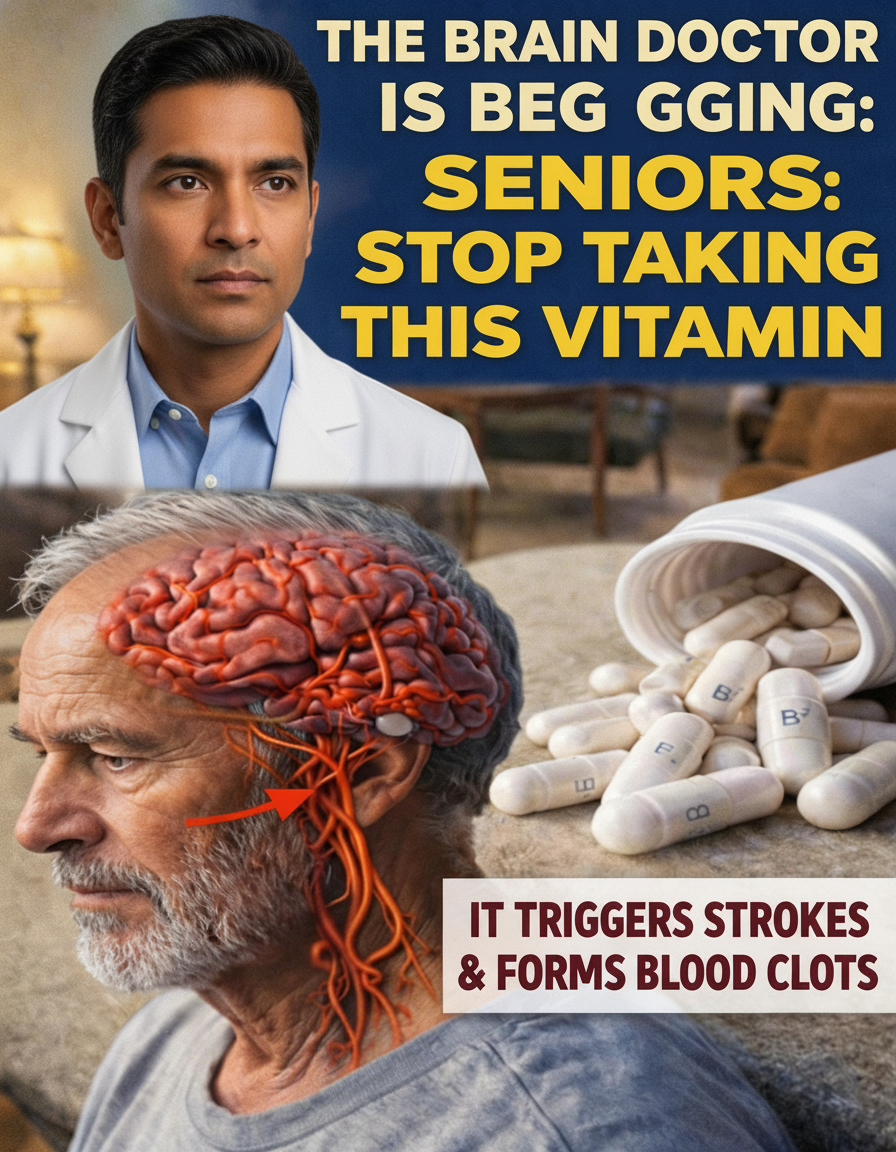
Yet, alarming online images and videos have been spreading fast, showing worried doctors and spilled B vitamin pills while warning that these very same supplements could form blood clots and raise stroke risk almost overnight. Talk about a gut punch when you’re just trying to do something good for yourself!
It’s completely understandable to feel uneasy and start questioning your morning routine when headlines like that keep popping up. Who wouldn’t feel a chill down their spine?
The reassuring part is that when you look at the actual research from trusted sources, the story is far more positive and straightforward than the scare tactics suggest — and sticking with me until the end will show you simple, doctor-approved steps to protect your brain health without unnecessary worry. Let’s cut through the noise, shall we?
Why Those Viral Warnings About Vitamin B and Blood Clots Are Everywhere
It’s easy to see why posts featuring a brain doctor urging seniors to “stop taking this vitamin” grab so much attention. Stroke remains one of the top health worries for people over 60, and anything that hints at a hidden danger in your daily pill bottle feels urgent. It hits close to home, and frankly, it sells clicks. But here’s the part that surprises many readers…
Most of these claims twist or exaggerate small pieces of data while ignoring the bigger picture from large-scale studies. They cherry-pick the scary bits and leave out the truth. The truth is that B vitamins — especially B6, B9 (folate), and B12 — are not villains when it comes to blood flow or clotting. In fact, research published in journals such as Stroke and reviewed by organizations like the American Heart Association consistently links adequate levels of these nutrients to healthier blood vessels. The mechanism is straightforward: they help your body process homocysteine, a natural compound that can build up and stress your arteries when levels get too high. Think of them as traffic cops for your blood vessels, keeping things moving smoothly.
But that’s not the whole story. Deficiencies in B vitamins become more common with age because absorption slows down, particularly for B12. That’s why many seniors actually benefit from thoughtful supplementation rather than avoiding it. It’s not about ditching them; it’s about getting smart about them!
What the Science Actually Reveals About B Vitamins and Stroke Risk
Studies have shown time and again that maintaining proper B vitamin status supports brain and heart health in seniors. For example, large population analyses have found that higher dietary intake of vitamin B6 is associated with lower stroke odds in certain groups. Similar patterns appear with folate and B12 — nutrients that work together to keep homocysteine in a healthy range. These aren’t just guesses; this is solid, peer-reviewed science!
Here’s what the research actually shows…
In meta-analyses involving thousands of participants, B vitamin support has been linked to modest reductions in stroke risk for people with elevated homocysteine. One review even noted that addressing deficiencies could play a helpful role alongside standard lifestyle measures. So, while they’re not a magic bullet, they’re definitely on your team.
Of course, supplements are not magic bullets, and results vary by individual health factors. No pill can replace a healthy lifestyle, but it can certainly give you an edge.
The key point? For most healthy seniors, B vitamins do not trigger clots or sudden stroke risk. The real concern tends to be under-supply rather than over-supply. It’s usually about *not enough*, not *too much*.
High doses in very specific situations (such as advanced kidney issues) have shown mixed outcomes in some trials, which is exactly why personalized advice matters. Don’t take generalized advice as gospel; your body is unique!
Signs Your Body Might Need More Attention to B Vitamin Levels
Before you make any changes, it helps to recognize common signals that your levels could use a closer look. Don’t play guessing games with your health! Here are some practical clues many seniors notice:
- Persistent tiredness that rest doesn’t fully fix – feeling drained even after a good night’s sleep?
- Tingling or numbness in fingers or toes – like pins and needles that just won’t quit?
- Mild memory slips or trouble focusing – brain feeling a bit fuzzy or forgetful?
- Changes in mood that feel out of character – feeling down or irritable for no clear reason?
- Slower recovery from everyday activities – taking forever to bounce back from a simple walk?
If any of these sound familiar, a quick blood test ordered by your doctor can give clear answers. That single step often brings peace of mind and prevents guessing games. It’s a simple check that can make a world of difference.
Practical Tips Seniors Can Use Right Now for Safer Supplement Choices
The good news is you don’t have to overhaul everything overnight. These actionable steps fit easily into daily life and help you stay in control. Your health is your wealth, so let’s protect it!
Start by having an open conversation with your healthcare provider. Bring your current supplement bottle and describe how you feel. They can check for interactions with any medications and order the right tests. Think of them as your personal health detective!
Next, prioritize real food whenever possible. Whole foods deliver B vitamins in balanced packages along with fiber and other protective nutrients. This is your foundation, folks!
Here’s a simple list of everyday sources that are gentle on the budget and easy to add to meals:
- Eggs – a powerhouse of nutrients!
- Dairy products (milk, yogurt, cheese) – great for more than just bones.
There you have it – the straight talk on Vitamin B supplements and stroke risk for seniors. Don’t let fear-mongering headlines dictate your health choices. Empower yourself with real information, consult your doctor, and make choices that truly support your well-being. Your brain and your heart will thank you!
Want to keep decoding the secrets to a vibrant senior life? Dive into more of our expert-backed articles on Healthy Life. Stay informed, stay healthy!