 By admin
 For many individuals navigating their golden years, the pursuit of health can sometimes feel like an uphill battle. Imagine someone diligently choosing what they believe are healthy options, yet still experiencing persistent weight gain, a noticeable dip in energy, or even unusual coldness in their extremities. It’s a scenario that often sparks confusion and frustration, especially when the very foods intended to nourish might inadvertently be contributing to these unwelcome changes.
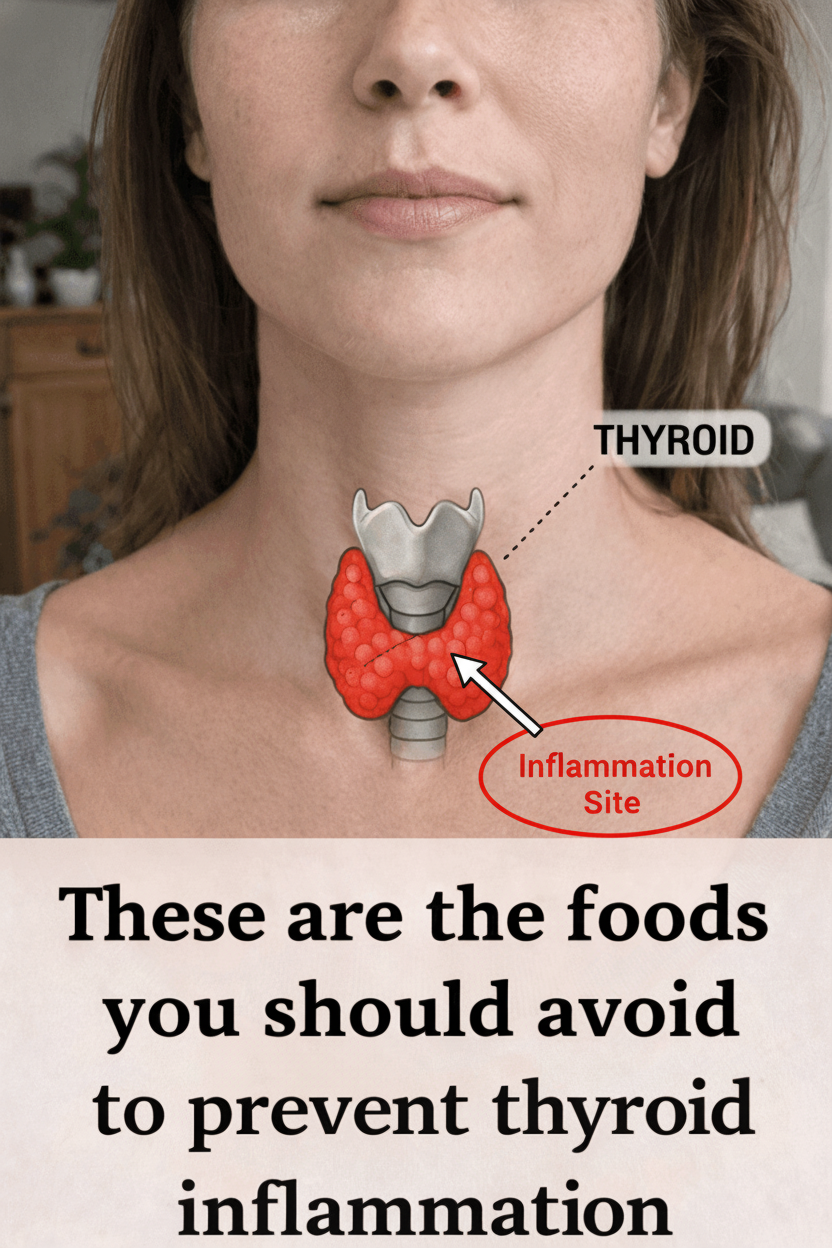
This common dilemma highlights a crucial point: daily dietary choices can subtly but significantly impact our internal systems, particularly the thyroid gland. The good news is that understanding these dietary nuances can empower you to make informed decisions for better well-being. By the end of this comprehensive guide, you’ll uncover a vital, yet frequently overlooked, dietary habit that can profoundly influence thyroid function in adults over 60.
Goitrogenic Vegetables: Beneficial Foods Requiring Mindful Preparation
Leafy greens and cruciferous vegetables like broccoli, cabbage, and kale are undeniably nutritional powerhouses, celebrated for their rich vitamin and fiber content. However, a lesser-known fact about some of these vibrant foods is their natural presence of compounds known as goitrogens. When consumed in significant amounts, particularly in their raw state, goitrogens have the potential to hinder the body’s utilization of iodine—a critical mineral essential for the synthesis of thyroid hormones.
It’s crucial to understand that this information isn’t a recommendation to eliminate these nutritious vegetables from your diet. Quite the contrary! The solution lies in thoughtful preparation and moderation. Heat, through cooking, effectively deactivates a significant portion of goitrogenic compounds, thereby making these vegetables much easier for the body to metabolize without impacting thyroid function. Key vegetables in this category include:
- Broccoli
- Cabbage
- Cauliflower
- Brussels sprouts
- Kale
- Radishes
To help you incorporate these vegetables wisely, here’s a guide on optimal consumption methods, often recommended by nutritional experts:
| Vegetable | Recommended Preparation Method |
|---|---|
| Broccoli | Lightly steamed |
| Cabbage | Cooked or sautéed |
| Cauliflower | Roasted or steamed |
| Brussels sprouts | Steamed or roasted |
| Kale | Cooked in soups or stews |
| Radishes | In moderation, preferably cooked |
Extensive research in nutritional science consistently demonstrates that appropriate cooking methods substantially mitigate the potential influence of these vegetables on iodine metabolism. Therefore, the concern typically isn’t with the vegetable itself, but rather with the portion size and how it’s prepared. However, goitrogenic vegetables are just one piece of the dietary puzzle affecting thyroid health.
Soy Products and Thyroid Health: A Closer Look for Seniors
Soy-based foods have gained immense popularity globally, often serving as excellent plant-based alternatives to meat and dairy. Nevertheless, when considering their impact on thyroid function, the timing and amount of consumption become critical. Soybeans naturally contain compounds called isoflavones, which some scientific studies indicate may interact with the body’s iodine utilization and the activation of crucial thyroid hormones.
Here’s a key distinction: for the majority of healthy adults, moderate intake of soy is not typically viewed as a significant concern for thyroid health. The potential for interaction tends to be more pronounced in individuals who already have a pre-existing thyroid imbalance, such as hypothyroidism, or those who are currently taking thyroid hormone replacement medication. Common soy products found in diets include:
- Tofu
- Soy milk
- Edamame
- Soy sauce
A crucial piece of advice frequently shared by healthcare professionals, especially endocrinologists, is regarding the consumption of soy for individuals on thyroid medication. If you’re taking thyroid hormone supplements, it’s highly recommended to avoid consuming soy products too closely to your medication time. Allowing a gap of several hours can significantly reduce the risk of absorption interference, ensuring your medication is fully effective. This seemingly minor scheduling adjustment can yield substantial benefits for your thyroid management. Beyond specific food interactions, however, another ubiquitous ingredient often contributes significantly to systemic inflammation.
Refined Sugars and Processed Carbohydrates: The Silent Stressors of Metabolism
Let’s acknowledge a common dietary pleasure: the enjoyment of sweet pastries or breads with a morning beverage. In many cultures, like the tradition of pan dulce in Mexico, such items are deeply ingrained in daily life. Yet, it’s precisely these types of foods—those rich in refined sugars and highly processed carbohydrates—where our bodies can encounter challenges. These ingredients are notorious for triggering and sustaining systemic inflammation. Elevated inflammatory responses, in turn, can place undue stress on various hormone systems, including the delicate balance maintained by the thyroid gland.
Examples of these foods include:
- White bread
- Cakes and pastries
- Cookies
- Sweetened breakfast cereals
What’s particularly concerning is that these types of foods provoke rapid and significant spikes in blood glucose levels. Over an extended period, such frequent fluctuations can disrupt insulin regulation and compromise overall metabolic stability. When metabolism becomes erratic, it can cascade into a range of issues, impacting everything from sustained energy levels and effective weight management to the intricate balance of hormones throughout the body.
Consequently, nutrition experts frequently advocate for a dietary approach centered on foods that provide a slow, steady release of energy. These include:
- Whole grains
- Beans and lentils
- Vegetables
- Nuts and seeds
However, the impact of sugars and processed carbs is only one piece of the puzzle. Another prevalent category of ingredients, often found in almost every kitchen, warrants critical examination.
Refined Vegetable Oils: Unseen Contributors to Inflammation
Step into most modern kitchens, and you’ll likely encounter an array of cooking oils such as corn, soybean, sunflower, and canola oil. These refined vegetable oils are not only staples for home cooking but are also pervasive in processed foods and restaurant preparations. While marketed for their versatility and often perceived as healthy, there’s a critical aspect many consumers are unaware of.
These oils are typically high in omega-6 fatty acids, and while omega-6s are essential, the standard Western diet often contains a disproportionately high ratio of omega-6 to omega-3 fatty acids. This imbalance is a significant driver of chronic inflammation within the body. Persistent inflammation, as discussed earlier, can adversely affect overall metabolic health and place additional strain on hormone-producing glands, including the thyroid.
Furthermore, the industrial processing of these oils often involves high heat and chemical solvents, which can degrade their quality and create harmful byproducts like trans fats (even in products labeled “trans fat-free” due to legal loopholes) and oxidized lipids. These compounds further contribute to cellular damage and inflammation, potentially exacerbating existing health issues or paving the way for new ones.
For individuals over 60, who may already be more susceptible to inflammatory conditions and metabolic shifts, choosing healthier fat sources is particularly important. Opting for extra virgin olive oil, avocado oil, coconut oil (in moderation), and fats from whole foods like nuts, seeds, and fatty fish can help promote a more balanced inflammatory response and support overall well-being, including optimal thyroid function.
In conclusion, maintaining optimal thyroid health, especially for adults over 60, involves more than just avoiding obviously unhealthy foods. It requires a nuanced understanding of how everyday dietary choices—from the preparation of nutrient-rich vegetables to the timing of soy consumption and the pervasive presence of refined sugars and oils—can subtly influence this vital gland. The “surprising habit” isn’t a single magic bullet, but rather the consistent practice of mindful eating, informed preparation, and strategic timing of your meals. By adopting these conscious dietary adjustments, you can proactively support your thyroid and foster greater energy, stable weight, and overall vitality in your golden years.