 By admin
 Let’s be real, folks. Your skin? It’s pulling some wild stunts lately, right? One day it’s smooth sailing, the next it’s looking like you pulled an all-nighter for a month straight. And don’t even get me started on those sun spots, stress lines, or just plain old age creeping up like uninvited guests! You’re probably racking your brain, thinking, ‘Is there *anything* in my kitchen that can fix this mess?’ Well, guess what’s blowing up your social media feed with ‘miracle’ fixes? Yep, good ol’ baking soda. Everyone’s raving about it, but before you dive headfirst into this DIY craze, pump the brakes. We’re about to drop some truth bombs on what this pantry staple *really* does for your face, so stick around because we’re separating the hype from the hard facts, showing you safe ways to explore it, and uncovering what actually matters for your radiant skin. This isn’t just another beauty blurb; this is the real deal.
Why Baking Soda Keeps Trending in Skincare Conversations
Baking soda, or sodium bicarbonate if we’re getting fancy, is that trusty sidekick most of us keep for baking up a storm or tackling tough grime. But lately, this humble kitchen hero has gone absolutely viral, suddenly becoming the internet’s darling as a supposed skincare hack. People are whipping it into pastes and masks, swearing it’s the secret sauce for smoother texture and an even tone. Here’s the kicker, though: while it’s dirt cheap and everyone’s got it, most of this buzz comes from ‘my friend tried it and it worked!’ stories, not from solid, scientific proof. It’s all about those anecdotal claims, baby.
And honestly, the appeal makes total sense. It feels gentle in some situations, and those mild abrasive qualities can totally give you that instant ‘refresh’ feeling. But listen up, because here’s where dermatologists throw some serious shade: not every kitchen item belongs on your precious face. Before you go mixing up your next concoction, let’s dive into the actual science. You need to know the facts to decide if this baking soda skincare trend is a friend or foe to your routine.
The Science Behind Skin pH and Why It Matters
Alright, let’s get down to basics. Your skin isn’t just skin; it’s got a natural bodyguard called the acid mantle. This bad boy has a pH level hovering around 4.5 to 5.5 – slightly acidic, like a superhero shield, keeping nasty bacteria in check and locking in all that precious moisture. Now, enter baking soda. This stuff clocks in at a pH of about 9, which is like, super alkaline. See the problem here? It’s a total mismatch.
When you slather something so drastically different from your skin’s natural balance, it’s gonna temporarily shake things up. Sure, some folks might feel an immediate smoothness from its exfoliating texture, and yeah, some research has poked around its role for specific skin issues like dryness or mild irritation, but only in super controlled environments. For everyday facial use? Most experts are practically screaming, ‘Proceed with extreme caution!’ rather than giving it a green light for your daily routine.
Here’s the part that usually drops jaws: short-term use might give you a fleeting sense of freshness, but go overboard, and you could be looking at drier, more sensitive skin down the line. We’re talking potential damage to your skin barrier, folks! That’s why understanding the ‘why’ behind this viral trend isn’t just smart; it’s crucial if you want to avoid those common skincare disasters.
Potential Benefits People Talk About (With Realistic Expectations)
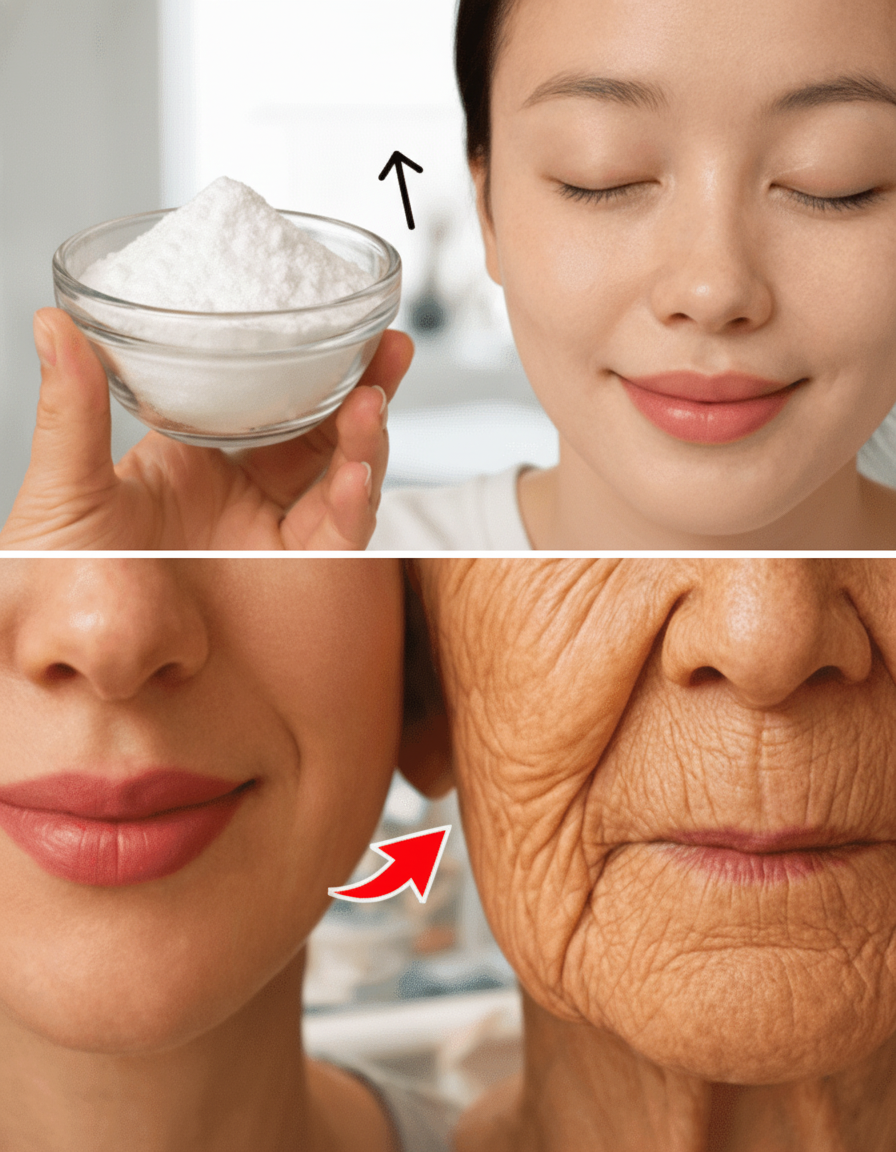
Let’s cut the BS right now – baking soda isn’t some magic potion, and any results you *might* see are a total crapshoot, depending entirely on your unique skin type, lifestyle, and how you’re actually using it. Some people, after a few limited trials, swear by these observations. But remember, we’re talking ‘observations,’ not ‘miracles’:
- Gentle exfoliation: Its super fine grains *can* help scrub off dead skin cells, giving you a temporarily polished look. Think of it as a quick buff, not a deep transformation.
- Oil absorption: Got an oil slick on your T-zone? It *might* soak up some of that excess shine. Key word: *might*.
- Soothing in specific scenarios: In super dilute forms or bath soaks, it’s sometimes used to calm minor annoyances like bug bites or dry patches. But we’re talking heavily diluted, people – don’t go rubbing pure powder on an open wound!
A hot-off-the-press 2024 review in integrative dermatology even hinted at some supportive roles for certain conditions, but only under professional guidance. For your everyday facial routine? It remains a personal gamble, loaded with built-in warnings. And here’s another dose of reality: any ‘glow’ you think you’re seeing is probably more about the physical scrubbing action than any deep, anti-aging wizardry. Your genetics, how much sleep you actually get, what you eat, and consistent sun protection? *Those* are the real MVPs for how your skin looks long-term, not a spoonful of baking soda.
Risks and Why Dermatologists Often Advise Caution
Alright, time for the honest-to-God truth that those shiny viral videos conveniently forget to mention: baking soda isn’t for everyone, and if you use it too often, it can seriously mess with your skin’s protective barrier. Dermatologists are practically united on this, consistently reporting feedback like:
- Dryness or tightness after use – that uncomfortable, stripped feeling.
- Redness or mild irritation, especially if your skin is already sensitive or on the drier side.
- Potential for breakouts because that pH shift can totally throw off your skin’s natural, delicate balance, inviting unwanted guests.
Studies and expert opinions from reputable sources like Healthline are clear: while tiny, infrequent amounts aren’t inherently going to kill you, regularly washing your face with baking soda is NOT the gentle, loving routine many people mistakenly hope for. It’s a harsh reality check, but one you need to hear.
To really drive the point home, let’s do a quick comparison. Think of it as a face-off between baking soda and the gentle exfoliants that actually know what they’re doing:
| Aspect | Baking Soda | Gentle Exfoliants (like lactic acid or enzyme cleansers) |
|---|---|---|
| pH Level | Alkaline (~9) | Closer to skin’s natural pH |
| Exfoliation Style | Physical (gritty) | Often chemical or enzymatic (smoother) |
| Frequency Safe? | 1-2 times/week max for most | Daily for some formulas |
| Best For | Occasional spot use | Consistent routine |
| Risk of Irritation | Higher if overused | Generally lower if used as directed |
So, there you have it – the unvarnished truth about baking soda in your skincare. Don’t fall for every viral trend without doing your homework! Your skin deserves better than a gamble. Keep exploring smart choices for your skin’s health right here on our site. Check out more of our expert-backed articles for genuine tips and tricks that actually deliver results!