 By admin
 Strengthening Your Spine After 50: Essential Habits for Lasting Bone Health and Better Posture
Do you occasionally experience a sudden stiffness when bending, or perhaps notice your posture appears more rounded in the mirror than it once did? It’s common for individuals over 50 to feel these subtle shifts, sometimes even hearing comments from loved ones about appearing to “shrink” or lean forward. While these changes might seem minor, they can often be early indicators that your spine is gradually losing its inherent strength. The good news is that proactive daily habits can significantly bolster your bone strength and maintain better posture as you age. In fact, one straightforward approach discussed later in this article often proves to be surprisingly effective.
The Aging Spine: Understanding Its Vulnerability
The spine serves as the body’s fundamental support system, enabling us to stand tall, move with fluidity, and safeguard the vital spinal cord that links the brain to the entire body. Composed of 33 individual bones known as vertebrae, cushioned by flexible discs and supported by an intricate network of muscles, the spine facilitates a wide range of motion. Ideally, strong, dense bones maintain the spine’s natural curvature and alignment. However, as we age, a natural decline in bone density can occur, setting the stage for potential issues.
When the vertebrae begin to weaken, several challenges may emerge over time, impacting both comfort and function:
- Decreased flexibility and range of motion
- The development of a stooped or forward-leaning posture
- A noticeable reduction in overall height
- Elevated risk of fractures, even from minor falls or impacts
Numerous bone health studies consistently highlight that bone density typically begins to diminish progressively after the age of 50, particularly if the body lacks essential nutrients or consistent physical activity. Yet, this trend is not inevitable. The empowering truth is that many lifestyle adjustments crucial for supporting robust bone health are straightforward and can be implemented starting today.
Decoding Osteoporosis: A Silent Threat to Spinal Health
Osteoporosis is a medical condition characterized by bones progressively losing density and becoming increasingly fragile. Instead of maintaining a solid, compact structure, osteoporotic bones develop tiny, porous spaces internally, significantly compromising their integrity. This deterioration often progresses subtly, without any noticeable symptoms in its initial stages. Consequently, many individuals only discover they have osteoporosis after experiencing a fall or sustaining an unexpected fracture.
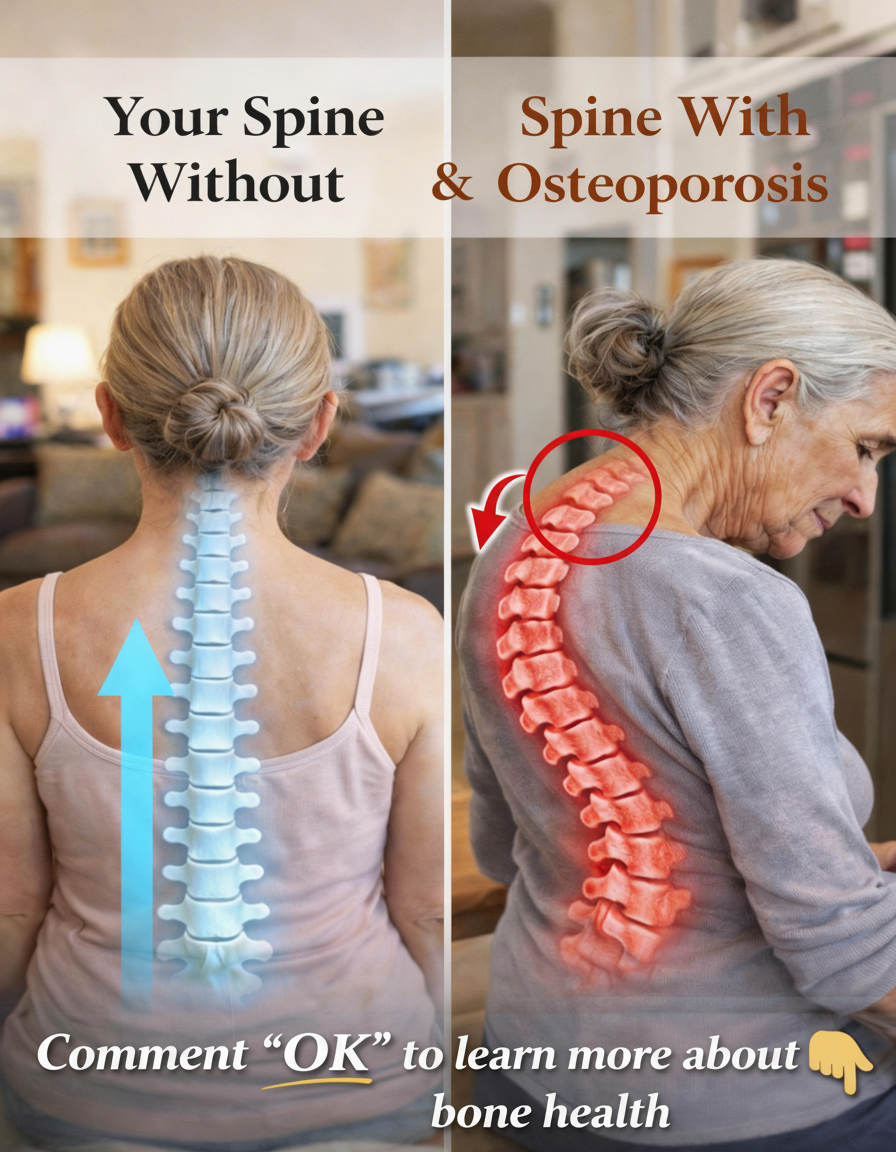
The spine is particularly susceptible to the effects of osteoporosis. As spinal vertebrae weaken, they may undergo slight compression under the body’s weight. This gradual compression can lead to the characteristic forward-leaning or hunched posture frequently observed in older adults. To better visualize this difference, consider the following comparison:
| Healthy Bone | Lower Density Bone |
|---|---|
| Dense, solid structure | More porous, weakened structure |
| Provides robust support for the spine | Higher susceptibility to compression and collapse |
| Helps maintain upright posture | Posture may gradually deteriorate and curve |
Crucially, remember that your bone health is not predetermined; it is profoundly influenced by a combination of daily habits, including your nutritional intake, physical activity levels, and overall lifestyle choices. Even minor, consistent improvements in these areas can yield substantial, positive impacts on your long-term skeletal wellness.
Nutritional Pillars for Robust Bone Health
Dietary choices are paramount in nurturing strong, healthy bones. Bones are dynamic living tissues that undergo continuous renewal, a process that demands a consistent supply of specific nutrients. Among these, calcium stands out as critically important. Nutritional guidelines frequently recommend that adults over 50 aim for a daily intake of approximately 1000 to 1200 mg of calcium. Excellent natural sources of calcium include:
- Dairy products like milk and yogurt
- Various types of cheese
- Dark, leafy green vegetables such as spinach and kale
- Canned fish like sardines and salmon (especially those with edible bones)
- Nuts, particularly almonds
- Foods fortified with calcium, such as certain cereals and orange juice
However, calcium alone is insufficient. Vitamin D plays an equally crucial role by facilitating the body’s efficient absorption of calcium. Without adequate Vitamin D, even a high calcium intake may not effectively benefit your bones. Key natural sources of Vitamin D include:
- Sensible, moderate exposure to sunlight
- Fatty fish varieties, like salmon and mackerel
- Egg yolks
- Fortified dairy products or plant-based milk alternatives
It’s worth noting that research consistently indicates a synergistic effect: individuals who integrate a balanced, nutrient-rich diet with regular physical activity typically develop and maintain stronger bones than those who focus solely on dietary intake.
Movement: Your Spine’s Best Ally for Bone Strength
A common misconception is that protecting a vulnerable spine necessitates avoiding physical activity. In fact, the opposite is generally true. Bones thrive on gentle, consistent stress generated by movement. When muscles engage and exert tension on bones during exercise, it sends vital signals to the body to preserve and enhance bone strength. Weight-bearing exercises are particularly beneficial for this purpose. Consider incorporating activities such as:
- Brisk walking or hiking
- Light resistance training, using weights or resistance bands
- Engaging in dance classes
- Practicing Yoga or Pilates
- Regularly climbing stairs
These types of activities not only stimulate the body to sustain optimal bone density but also simultaneously fortify the crucial muscles that encapsulate and support the spine. This brings us to another often-underestimated element: the importance of a strong core. Robust muscles in the abdominal region and lower back are fundamental for providing stability and support to your entire spinal column.
Embrace Proactive Habits for a Resilient Spine
While the subtle changes in our bodies after 50 can be concerning, the power to influence your spinal health lies largely in your daily choices. The “simple routine” that often surprises people isn’t a complex medical intervention, but rather the consistent, integrated application of these foundational habits: a nutrient-rich diet abundant in calcium and Vitamin D, coupled with regular, appropriate weight-bearing exercise, and a focus on core strength. By embracing these essential lifestyle adjustments, you can actively work towards maintaining robust bone density, improving posture, and enjoying greater mobility well into your later years. Start today – your spine will thank you for it.