 By admin
 Supporting a Loved One with a Blistering Rash: Home Comfort Tips While Awaiting Emergency Care
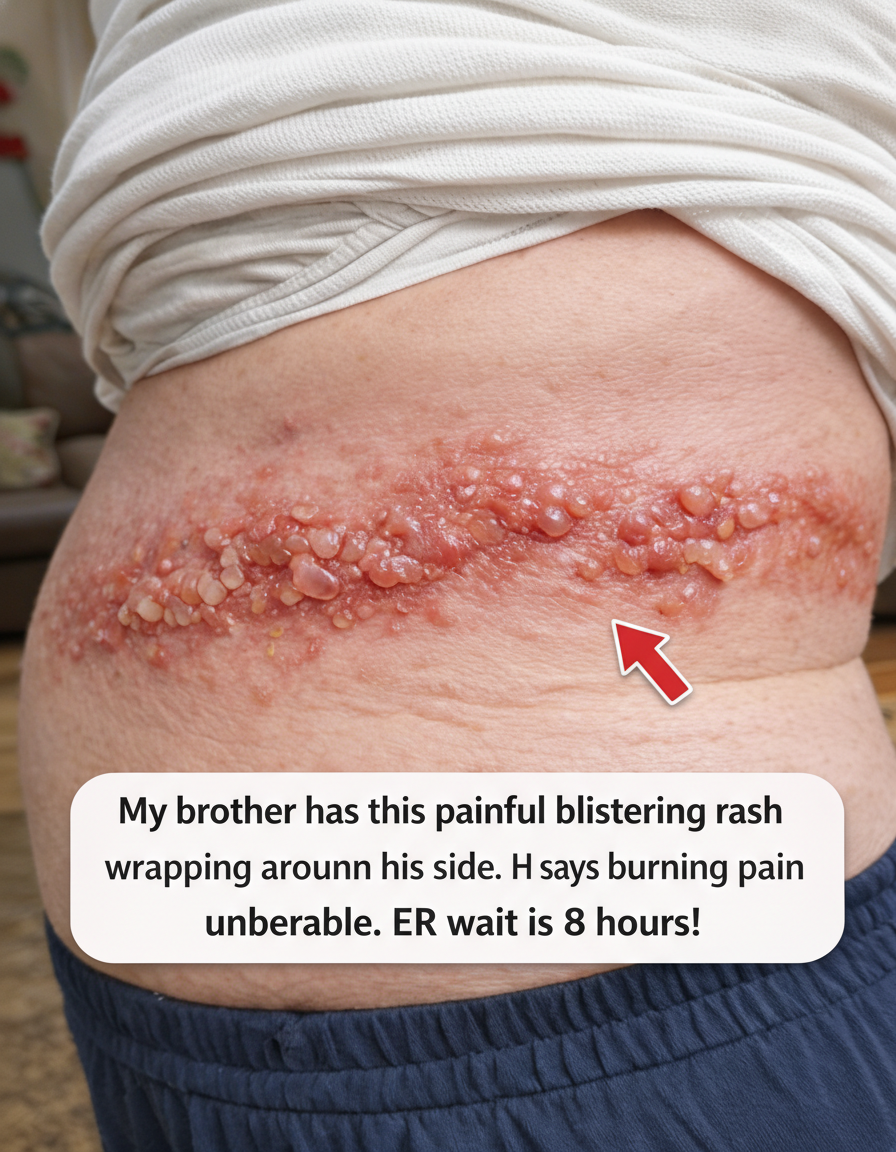
Witnessing a family member, such as your mother, grappling with a painful blistering rash that extends across their torso can be profoundly upsetting. This is particularly true when they describe the burning sensation as excruciating and the anticipated wait at the emergency room extends to many hours. The visible redness, the formation of blisters, and the intense physical anguish can easily make you feel powerless, amplifying concerns about potential health complications during such prolonged delays. However, even while awaiting professional medical attention, there are compassionate, practical steps you can implement at home to provide comfort and alleviate some of their suffering, making the waiting period more bearable. Continue reading to discover an often-overlooked emotional strategy, backed by studies, that has been shown to diminish the perception of pain—it’s surprisingly straightforward.
Identifying Critical Signs for Immediate Emergency Care
It’s crucial to understand that not all dermal eruptions are benign; certain types necessitate urgent medical intervention. Should your loved one exhibit any of the following warning signs, do not delay in seeking emergency care, regardless of potential wait times. Why is this imperative? A blistering rash accompanied by intense pain can be indicative of serious underlying health conditions, and postponing treatment could lead to significant complications. Below is a vital checklist of symptoms that warrant an immediate trip to the emergency room:
- A core body temperature exceeding 101°F (38.3°C), which can signal a systemic infection.
- Blisters that have ruptured, the development of open sores, or noticeable skin desquamation (peeling).
- Any sudden puffiness or swelling observed in the facial area, lips, or tongue, possibly indicating a severe allergic reaction.
- Difficulty breathing, episodes of lightheadedness, or an unusually fast heart rate—these symptoms could point to a life-threatening systemic reaction such as anaphylaxis.
- A rapidly progressing rash, especially if characterized by purplish discolorations that do not blanch (turn white) when pressed.
- Pain so debilitating that it prevents restful sleep, restricts movement, or makes comfortable repose impossible.
Indeed, these indicators should be regarded with utmost seriousness. Reputable health institutions, including the Mayo Clinic, highlight that conditions like shingles or cellulitis frequently manifest with these characteristics and demand swift medical assessment to prevent further health deterioration.
Exploring Potential Causes (Without Self-Diagnosis)
It is perfectly understandable to speculate about the origin of a skin rash, yet it’s vital to remember that only a qualified medical professional can offer a precise diagnosis. Nevertheless, possessing knowledge of common culprits can equip you with valuable information to share with the attending physician. For example, herpes zoster, commonly known as shingles, frequently manifests as a intensely painful, blistering eruption confined to one side of the body, often preceded by a tingling or burning sensation. Contact dermatitis typically develops in areas where the skin has encountered an irritant or allergen, such as a new cleaning product or certain plants. Cellulitis, a bacterial infection, usually presents with skin that is noticeably warm, inflamed, and reddened, often accompanied by a fever. Allergic reactions, on the other hand, can trigger widespread itchy welts (hives) or localized swelling following exposure to novel foods or pharmaceutical agents. For a clearer comparison of key indicators, refer to the table below:
| Potential Condition | Key Indicators |
|---|---|
| Shingles (Herpes Zoster) | Preceded by burning/tingling; distinct unilateral (one-sided) band-like distribution |
| Contact Dermatitis | Localized rash at points of contact with novel substances (e.g., detergents, metals) |
| Cellulitis | Skin is hot, red, and tender to touch; frequently associated with fever |
| Allergic Reaction | Sudden onset of itchy hives or swelling, linked to recent exposure to allergens (foods, medications) |
Furthermore, findings from reputable organizations like the American Academy of Dermatology indicate that meticulously documenting the rash’s initial appearance and any recent alterations in daily habits can significantly streamline the diagnostic journey upon arrival at the emergency department.
Implementing Home Comfort Strategies While Awaiting Medical Attention
When the presenting symptoms do not indicate an immediate life-threatening emergency, yet the discomfort remains significant, the focus can shift towards implementing calming measures within the home environment. These interventions are intended solely to provide temporary relief and should never be viewed as a substitute for professional medical evaluation. Initiate treatment with cool compresses. Immerse a clean, soft fabric in cool (not icy) water to prevent thermal shock to the skin, then delicately place it over the affected region for durations of 10 to 15 minutes. This process can be repeated every one to two hours. The efficacy of cool compresses lies in their ability to constrict blood vessels, thereby diminishing inflammation and offering transient numbness to alleviate the burning sensation.
Subsequently, consider the benefits of a colloidal oatmeal bath or a localized paste application. Over-the-counter colloidal oatmeal preparations, such as those offered by brands like Aveeno, are widely recognized in dermatological research, including studies published in the Journal of Drugs in Dermatology, for their notable anti-inflammatory and skin-soothing attributes. For a full-body immersion, dissolve approximately one cup of finely ground oats into a tub of lukewarm water, allowing your loved one to soak for about 15 minutes. If the rash is confined to a specific area, such as the side, blend the oats with a small amount of water to form a light paste and apply it gently. Furthermore, readily available over-the-counter medications can provide additional support. An oral antihistamine, for instance, diphenhydramine (Benadryl) or cetirizine (Zyrtec), may prove beneficial if an allergic component is suspected, as these medications can help mitigate itching and swelling.
Beyond these physical interventions, it’s imperative not to underestimate the profound impact of emotional support. Research in pain management consistently highlights that human connection and empathetic engagement can significantly alter a person’s perception of discomfort. Simple acts like gentle conversation, sharing cherished memories, or even just holding a hand can serve as a powerful distraction, shifting focus away from the physical pain. This isn’t merely anecdotal; studies emphasize the role of positive emotional interaction in modulating pain signals within the brain. Therefore, while you diligently provide practical care, remember to offer your unwavering presence and empathy—it’s a profound comfort that requires no special tools but delivers immense relief.