 By admin
 Swollen Feet? Your Body’s Dropping NINE Serious Warning Bombs You Can’t Ignore!
Alright, listen up! Swollen feet – yeah, we’ve all been there. After a marathon day on your pins, a long flight, or just chilling too long, those puffy paws can feel pretty normal. Most times, it’s just your body holding onto a bit too much water, and it’ll disappear by morning. No biggie, right? WRONG! Sometimes, that foot swelling isn’t just a minor inconvenience; it’s your body waving a gigantic, bright red flag, practically screaming for your attention!
Understanding what those swollen ankles and feet are really trying to tell you is crucial. It’s the difference between kicking back with your feet up and needing to call in the pros. We’re not here to scare the living daylights out of you, but to arm you with the intel. Know these warning signs, and you can jump into action faster, feel better quicker, and literally save your long-term health.
Below, we’re diving deep into NINE critical reasons your feet and ankles swell that you absolutely, positively must pay attention to. Each section will lay out exactly what to watch for, why it’s happening, and what moves you need to make. If any of this hits home, trust your gut and get yourself checked out. Your health isn’t a game, folks!
Deep Vein Thrombosis: The Silent Killer Lurking in Your Legs
Alright, let’s kick things off with a real nasty one: Deep Vein Thrombosis (DVT). This ain’t just any old swelling; we’re talking about a blood clot forming in a deep vein, usually chilling out in your calf or thigh. Think of it like a dam in your plumbing, blocking blood flow and trapping fluid in your lower leg and foot, causing that sudden swelling. Here’s the terrifying part: a piece of that clot can break off, take a joyride to your lungs, and *boom* – you’ve got a pulmonary embolism, a full-blown medical emergency that can be fatal.
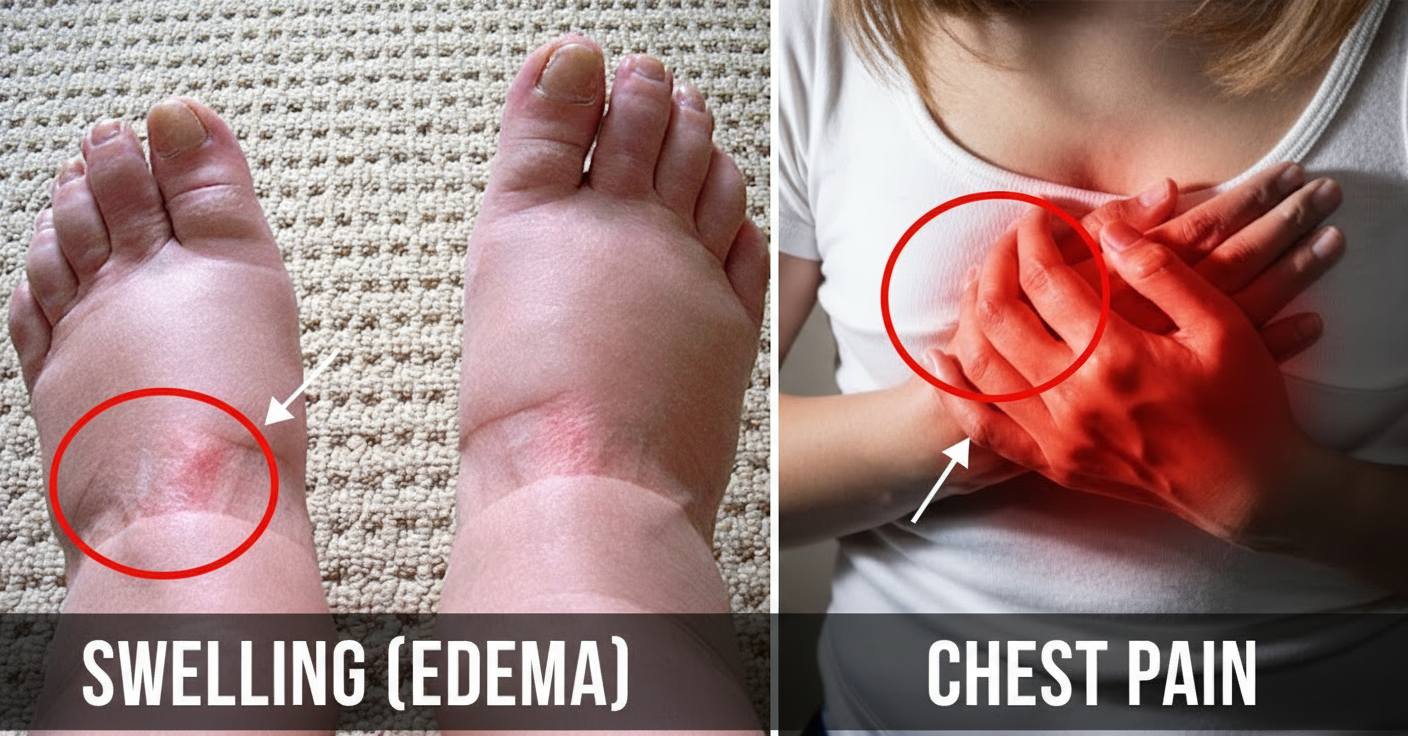
So, what are the DVT warning signs? Keep your eyes peeled for swelling that hits one leg way harder than the other. You might feel a fresh, sharp pain or tenderness in your calf, the skin might feel warm to the touch, or even look reddish or bluish. This foot and ankle swelling can pop up fast, like in a matter of hours. Your shoe, which fit perfectly yesterday, might suddenly feel like it’s trying to choke your foot.
Who’s playing with fire here? Your risk for DVT shoots up after recent surgery, those brutal long flights or car rides, being stuck in bed for a while, battling cancer, hormone therapy, smoking, or if you’ve had a clot before.
Listen up, this is critical: If that leg swelling comes with chest pain, you’re coughing up blood, your heart’s doing a frantic drum solo, you’re dizzy, or suddenly can’t catch your breath – *DROP EVERYTHING AND GET TO THE EMERGENCY ROOM, NOW!* If you’ve got the other DVT symptoms but no breathing issues, still don’t mess around; hit up your doctor *today*. A quick ultrasound can usually spot the culprit, and getting it treated can save you from some seriously nasty complications. Don’t be a hero; be smart!
Poor Leg Circulation: When Your Blood Flow Hits a Dead End
Next up, we’ve got poor leg vein circulation, or what the docs call chronic venous insufficiency. Picture this: your leg veins have these clever one-way valves, right? They’re supposed to be like bouncers, making sure blood only flows *up* to your heart. But when these bouncers get weak or damaged, they let blood sneak backward, and it starts to pool around your ankles and feet. That’s why, by the time evening rolls around, your shoes and socks feel like they’re trying to suffocate your feet.
Beyond the foot and ankle swelling, you might notice a persistent ache, a heavy feeling, cramps, or even an annoying itch in your lower legs. Over time, the skin around your swollen ankles can start to darken, and if you get even a tiny cut there, it might take ages to heal. Oh, and those gnarly varicose veins? They’re often best buddies with this kind of swelling.
So, what’s a person to do? Keep moving, do some calf exercises, and elevate those swollen feet for 20 to 30 minutes – give gravity a helping hand. Compression socks can also be a game-changer for reducing swelling, but *hold up!* Always chat with your doctor first, especially if you’re dealing with heart disease, peripheral artery disease, or nerve issues from diabetes.
If you start seeing skin changes, nasty sores, or serious pain, don’t dilly-dally; make an appointment to get a personalized treatment plan. Your legs deserve better!
Heart Problems & Fluid Overload: When Your Pump Is Pumping Air
Now, let’s talk about the big one: your heart. It’s supposed to be a powerhouse, right? A tireless pump. But when that magnificent muscle gets worn out and can’t push blood with the same oomph, guess what? Fluid starts backing up, flooding your legs and feet. This nightmare scenario is often called congestive heart failure, and it’s no joke. The tell-tale sign here is that it usually causes swelling in BOTH legs, not just one.
So, how do you know if your ticker’s in trouble? Look for rapid weight gain over just a few days, swelling that creeps up above your ankles, rings that suddenly feel like handcuffs, or a belly that’s puffing out like a balloon. Feeling winded after just a little activity, or even when you’re just lying flat? That’s a huge red flag. Waking up in the middle of the night gasping for air? *That’s your body screaming about fluid buildup!*
If you spot any of these ominous changes, don’t wait around; get on the horn with your doctor *immediately*. Adjusting medications, cutting down on salt (seriously, ditch the shaker!), and getting your kidneys and electrolytes checked can make a world of difference.
But here’s the kicker: If that shortness of breath is severe, you feel like you’re about to pass out, or you’ve got chest pain tagging along with the swelling – forget the doctor’s office, you need *urgent emergency help*. This isn’t something to gamble with!
Kidney Strain or Kidney Disease: When Your Filters Are Clogged
Let’s talk about your body’s unsung heroes: the kidneys. These bad boys are your personal filtration system, constantly working overtime to flush out excess salt and water. But when your kidneys are struggling, when they’re under serious strain or outright failing, that fluid can’t get out. Instead, it starts pooling up in your soft tissues, like your feet and ankles. And get this – swelling from kidney issues often shows up around your eyes too, especially when you first wake up in the morning, making you look like you went 12 rounds with a heavyweight champ.
What other clues should you be watching for? Think foamy urine, weird changes in how often you’re hitting the bathroom, crushing fatigue, nausea that won’t quit, and stubbornly high blood pressure. Who’s most at risk for these kidney problems? Folks with diabetes, high blood pressure, or anyone who’s been popping pain relievers like candy for too long.
If you’ve got even a whiff of suspicion that your kidneys are on the fritz