 By admin
 Kyla Dawn Lifestyle & News Writer
The $500 Portable Dialysis Machine That Rocked the Globe: A Canadian Teen’s Game-Changing Idea
Alright, let’s get real for a second. For most folks, “dialysis” is just a fancy medical word they barely think about. But for millions of patients worldwide, it’s the grim reaper dictating every single move, every damn day. Now, picture this: a portable dialysis machine. Sounds like a dream, right? What if I told you a Canadian teenager whipped up a concept for one that could be built for a measly $500? This wasn’t just some science fair project that impressed a few judges; it blasted into global conversations, igniting a spark of hope that maybe, just maybe, life-saving treatment won’t feel like a life sentence anymore.
Back in 2015, Anya Pogharian, a sharp student from Montreal, stared down an age-old medical nightmare and asked a question so basic, it was brilliant: “Why the hell does dialysis still have to be a giant, wallet-busting beast chained to a clinic?” That question, fueled by pure curiosity and a stubborn refusal to accept the status quo, transformed a simple school assignment into something that grabbed the world’s attention. Talk about shaking things up!
The Heavy Reality of Living With Kidney Failure – It’s No Joke!
To truly grasp why this invention wasn’t just “neat” but a potential revolution, you gotta understand the brutal reality of what dialysis means for patients. When your kidneys fail – and let’s be clear, that’s a life-threatening situation – your body gets choked by its own waste. Dialysis steps in to do the job, but it comes with a whole heap of soul-crushing limitations. This isn’t just a medical procedure; it’s a life sentence without parole for those suffering from chronic kidney disease.
Most patients are stuck schlepping to a clinic three times a week. Each visit? Four hours, sometimes more. Try building a normal life around that! Work schedules get blown to smithereens. Traveling? Forget about it unless you’re planning a medical expedition. Even simple family gatherings become a logistical nightmare, always orbiting around those dreaded treatment days. And don’t even get me started on rural areas or poorer regions, where access to proper dialysis treatment is either a cruel joke or totally nonexistent. Some desperate souls just miss their vital treatments because they literally have no other choice. It’s a tragedy playing out daily!
Doctors and engineers have known about this brutal bottleneck for years. They’ve poked and prodded at smaller systems, home units, even futuristic wearable ideas. But time and again, the twin monsters of exorbitant cost and mind-bending technical complexity have slammed the door shut on real progress. It’s enough to make you scream!
Dialysis schedules often control work, travel, and family life for patients, shaping nearly every week around treatment hours. Image credit: Shutterstock
Where a Teen’s Game-Changing Idea Began – No Fancy Lab Coats Needed!
Anya Pogharian wasn’t some hotshot doctor in a lab coat, nor did she have a medical degree under her belt. Her groundbreaking idea sprang from good old-fashioned reading, relentless research, and spotting obvious patterns that everyone else seemed to just accept as “the way things are.” As she dug into kidney disease and the existing monstrous machines, she noticed something glaringly odd. Most systems relied on similar core science, yet almost none were designed with affordability AND portability in mind. Like, seriously?
That simple, yet profound, observation became her North Star. She wasn’t just aiming for a smaller machine; she wanted it compact. She didn’t want it complicated; she wanted it simple enough for anyone to use. And perhaps most critically, she wanted it dirt cheap – cheap enough to actually make a real difference in people’s lives. We’re talking game-changer levels of affordability for life-saving kidney care and better healthcare access.
Her mission? Strip dialysis down to its absolute essentials, without cutting a single corner on safety. The jaw-dropping result was a conceptual design for a portable dialysis machine that could be manufactured for a mind-boggling $500. Five hundred bucks! That number alone made medical professionals and the public alike hit the brakes and do a double-take, especially when typical dialysis machines clock in at tens of thousands of dollars. Talk about a mic drop moment for medical innovation!
Why Cost Changes Everything – It’s Not Just About the Money, Honey!
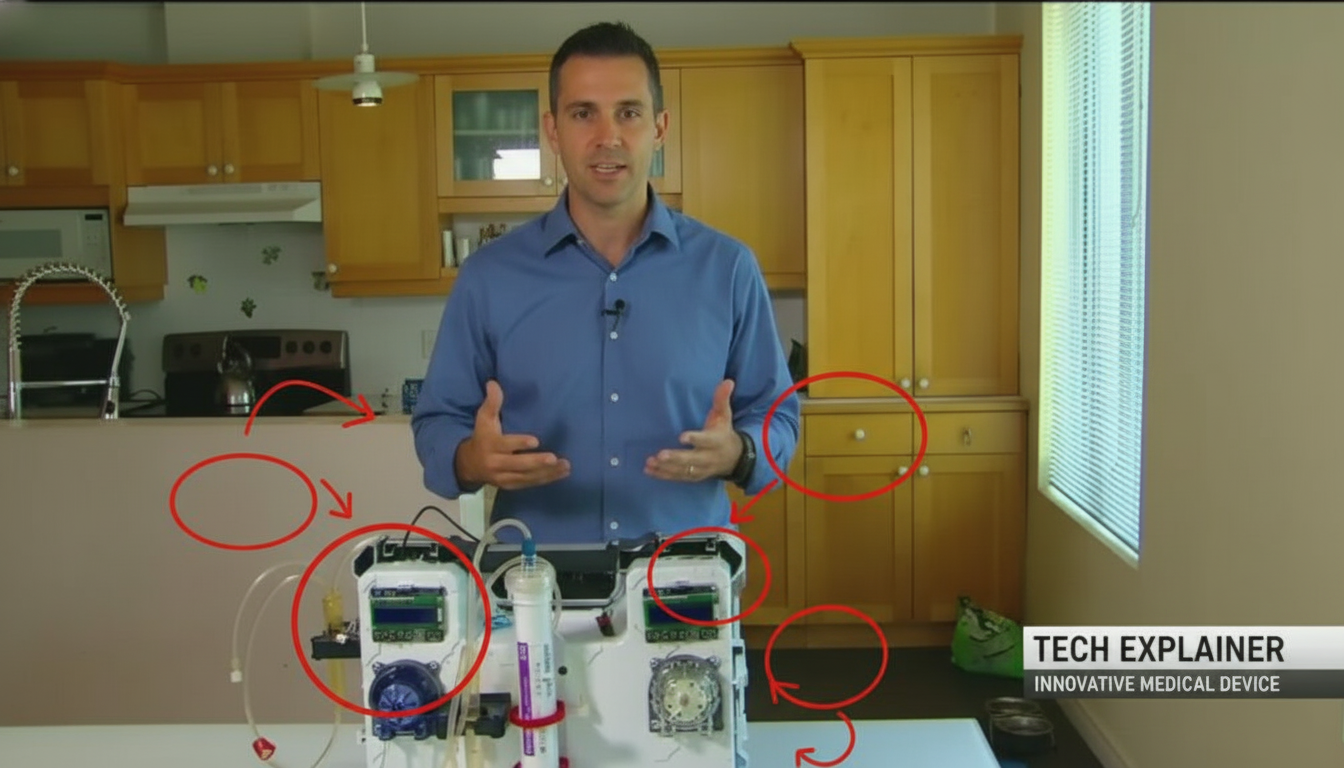
Let’s face it, dialysis is expensive in ways most people never even consider. Clinics demand massive buildings, highly trained staff, constant monitoring, and endless maintenance. Patients, bless their hearts, are completely dependent on insurance or shaky public healthcare systems just to stay alive. In far too many countries, those systems are either barely hanging on by a thread or simply don’t exist. It’s a terrifying gamble with human lives.
Enter a low-cost option, and suddenly, the whole damn landscape shifts. Even if Anya’s invention never completely replaces clinic-based dialysis – which, let’s be honest, is a huge ask – it could be a literal lifeline, supporting patients between their scheduled visits. Imagine bringing vital dialysis treatment closer to communities that don’t have mega-hospitals! This isn’t just about convenience; it’s about equitable healthcare access and saving lives through affordable healthcare solutions.
And here’s another kicker: lower costs actually turbocharge innovation. Cheaper medical devices are a breeze to test, tweak, and perfect. That kind of flexible, rapid development is almost unheard of in the traditional medical equipment world, where the astronomical price tag alone often suffocates any real innovation. It’s a vicious cycle that Anya’s idea dared to challenge.
So, yeah, Anya’s idea wasn’t just turning heads because she was a teenager. It was because her radical thinking represented a seismic shift in how we approach healthcare solutions. She wasn’t playing by the old rules; she was writing new ones. And that, my friends, is truly inspiring for patient care!
Recognition That Traveled Far – From Science Fair to Global Sensation!
Once Anya unveiled her work at science competitions, the buzz was immediate and explosive. Judges weren’t just impressed; they saw a brilliant mind tackling a monumental medical need. Before you could say “dialysis breakthrough,” media outlets were scrambling to share her incredible story. It wasn’t long before her idea exploded beyond Canada’s borders, captivating audiences hungry for discussions on healthcare access and groundbreaking youth-led innovation. This wasn’t just news; it was a movement.
What really hit home was the refreshing honesty of the whole thing. This project wasn’t being peddled as a finished, ready-to-roll product. Instead, it was presented for what it truly was: a promising concept, still in its early, exciting stages of development. Let’s be real, too many young inventors get slapped with the “overnight success” label, which often does more harm than good. But in Anya’s case, the focus stayed exactly where it should be: on its immense potential, the journey of learning, and the sheer grit of long-term effort. That’s how you build real change, folks.
Anya Pogharian. Image Credit: CTV Montreal
How Portability Changes Daily Life – Freedom, Finally!
Now, “portability” might sound like some dry, technical jargon, but for patients, it’s deeply, profoundly personal. A machine that can actually move with the user? That’s not just a convenience; it’s a game-changer that fundamentally rewrites how life-saving treatment fits into everyday existence. Instead of patients desperately trying to cram their lives around the rigid demands of dialysis, suddenly, home dialysis begins to fit around THEIR lives. That’s true freedom, right there!
Just imagine: a smaller system means less time wasted on travel. It means patients can actually stick to their crucial treatment schedules without jumping through hoops. And perhaps most importantly, it could significantly lighten the crushing mental burden that comes with constant dependency on a fixed, inflexible machine. This isn’t just about physical health; it’s about mental well-being and regaining dignity in patient care.
While Anya’s design for a portable dialysis machine was still very much a concept, it perfectly aligned with a massive, ongoing shift in modern medicine. More and more, critical care is moving out of sterile hospitals and into the comfort and convenience of people’s homes. Medical devices are shrinking, becoming smarter, and empowering patients like never before. Anya Pogharian didn’t just design a machine; she offered a glimpse into a more humane, accessible future for millions.
So, what are you waiting for? Dive deeper into the world of groundbreaking medical innovations and see how brilliant minds are reshaping our future. Check out more inspiring stories right here on our site!