 By admin
 Dealing with damaged hair can be incredibly frustrating – from brittle strands that easily break to a dullness that resists all efforts to restore its natural luster. Many individuals are increasingly seeking gentle, natural remedies to enhance hair health, steering clear of harsh chemicals or expensive salon treatments. Among these time-honored solutions, rice water has emerged as a popular, traditional rinse, revered across generations for its purported ability to nourish and condition hair.
While social media often showcases dramatic transformations, the true value of rice water lies in understanding its potential benefits, which are supported by centuries of empirical use and a growing body of limited research. What makes this simple household ingredient so intriguing is its rich composition of essential vitamins, minerals, and compounds like inositol and amino acids, all believed to contribute to strengthening and protecting the hair shaft. However, the efficacy of rice water largely depends on its proper preparation and application – a crucial detail often overlooked. Continue reading to discover a straightforward and safe method for creating this at-home rinse, along with expert tips for seamlessly integrating it into your regular hair care regimen.
Why Rice Water Has Captured Global Attention for Hair Health
Rice water, essentially the starchy liquid derived from soaking or fermenting rice, has been a cornerstone of Asian beauty traditions for millennia. Its potent nutrients have long been credited with promoting hair vitality. Notably, women of the Yao ethnic group in China are renowned for their extraordinarily long, strong, and lustrous hair, which they attribute to the consistent use of fermented rice water.
In recent years, modern interest in rice water has surged, largely propelled by viral videos and anecdotal testimonials showcasing visibly smoother, shinier hair after regular application. Users frequently report a reduction in surface friction on hair strands, which can lead to diminished breakage and a noticeably silkier texture. Early studies on compounds extracted from rice suggest improvements in hair elasticity and a reduction in tangling, although more specific research on plain rice water is still needed to confirm these effects definitively.
Further scientific exploration into related rice products, such as rice bran, indicates promising potential for supporting hair health. Research has shown that rice bran can influence growth factors and mitigate inflammation in laboratory settings. A systematic review specifically highlighted that topical applications of rice bran were associated with increased expression of signals linked to the active growth phase of hair follicles. Nevertheless, experts from reputable sources like Cleveland Clinic and WebMD caution that while rice water is generally low-risk to try, robust scientific evidence for dramatic changes in hair remains limited. The widespread appeal, however, is undeniable: it’s an incredibly inexpensive, single-ingredient solution that effortlessly complements any natural hair care routine.
Key Components in Rice Water and Their Hair-Enhancing Roles
Far from being just plain water, rice water is a nutrient-dense elixir brimming with components that can significantly contribute to improved hair appearance and feel:
- Inositol: This powerful carbohydrate is believed to penetrate the hair shaft, actively working to repair existing damage and enhance the hair’s natural elasticity.
- Amino Acids: As the fundamental building blocks of protein, amino acids are crucial for strengthening hair strands, potentially leading to increased resilience and reduced breakage.
- Vitamins and Antioxidants: Rice water contains trace amounts of beneficial B vitamins, vitamin E, and ferulic acid. These compounds offer mild protection against environmental stressors, helping to preserve hair health.
- Starch: The starch content forms a delicate, invisible coating on the hair cuticle. This layer helps to smooth the hair’s surface, resulting in enhanced shine and a noticeable reduction in frizz.
These synergistic components explain why many individuals experience softer, more manageable hair after incorporating rice water into their routine. It’s important to note, however, that results can vary significantly based on individual hair type – for instance, curly or coily hair may respond differently than straight hair. Furthermore, excessive use could potentially lead to product buildup, so moderation is key.
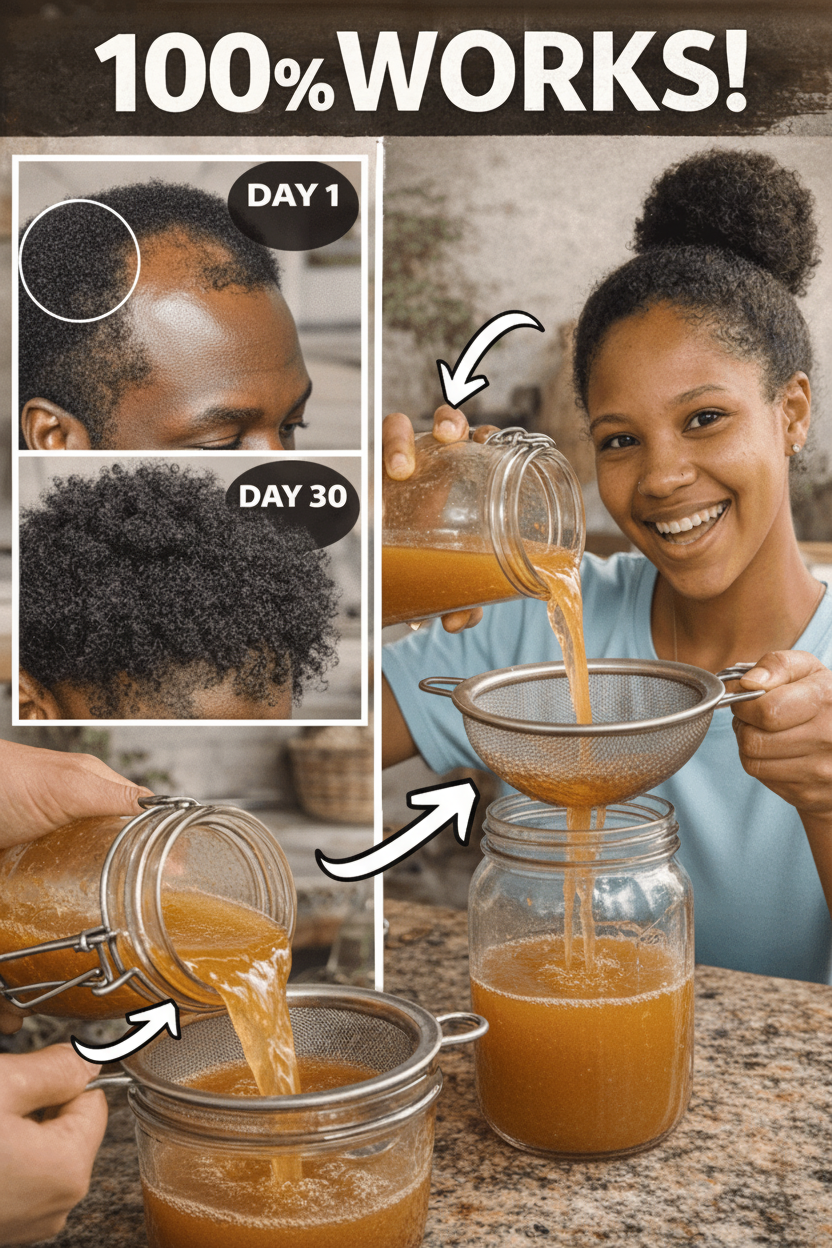
Crafting Fermented Rice Water at Home: A Step-by-Step Guide
Fermented rice water is particularly favored because the fermentation process can amplify nutrient release and lower the pH, making it more compatible with the hair’s natural acidity. Here’s a simple, safe, and effective method to prepare it:
- Rinse the Rice: Begin by thoroughly rinsing half a cup of uncooked rice (either white or brown varieties work well) under cool running water. This step helps to remove any surface dirt or impurities.
- Soak the Rice: Transfer the rinsed rice into a clean bowl or jar. Pour 2 to 3 cups of water over the rice, ensuring it is completely submerged.
- Initial Soak: Stir the mixture gently, then allow it to soak undisturbed for approximately 30 minutes.
- Strain Basic Rice Water: Carefully strain the liquid into a separate, clean container. This collected liquid is your basic, unfermented rice water.
- Ferment (Optional but Recommended): For the fermentation process, loosely cover the strained liquid (a breathable cloth cover is ideal) and leave it at room temperature for 12 to 48 hours. You’ll know it’s ready when you detect a subtle, slightly sour aroma. Be mindful not to let it ferment for too long, as this can lead to spoilage.
- Final Strain & Storage: If necessary, strain the fermented liquid one more time. Then, transfer it to an airtight container and store it in the refrigerator for up to one week to maintain freshness.
Pro Tips for Optimal Results:
- Whenever possible, opt for organic rice to minimize exposure to pesticide residues.
- If you are new to using fermented rice water, start with a shorter fermentation period to assess your hair’s reaction.
- Should the rice water feel too concentrated or strong, dilute it with an equal part of plain water (a 1:1 ratio) before use.
This method requires minimal effort and relies on just one fundamental ingredient – rice – making it an accessible and economical addition to your hair care arsenal.
Integrating Rice Water into Your Hair Care Routine
Incorporating rice water as a hair rinse is a straightforward process. Follow these steps for a gentle yet effective treatment:
- Shampoo Your Hair: Begin by washing your hair thoroughly with your preferred shampoo, as you normally would. Ensure your hair and scalp are clean.
- Apply Rice Water: After shampooing and rinsing, pour the prepared rice water evenly over your hair. Concentrate the application on the lengths and ends of your hair, gently avoiding direct application to the scalp if you are prone to oiliness.
- Massage and Absorb: Gently massage the rice water into your hair and scalp for 2 to 5 minutes. This allows the beneficial compounds to penetrate the hair shaft and work their magic.
- Rinse (Optional but Recommended): For most hair types, it’s advisable to rinse your hair with cool water after the treatment. This helps to remove any excess starch and prevent potential buildup, leaving your hair feeling light and refreshed.
- Condition (Optional): If desired, follow up with your regular conditioner, focusing on the ends.
For best results, consider using rice water 1-2 times per week. Always perform a patch test on a small section of hair first to observe how your hair reacts before full application.