 By admin
 The Dark Side of Peanuts: Hidden Dangers of Overconsumption
Peanuts are a cherished snack globally, often celebrated for their rich nutritional profile, including protein, healthy fats, and fiber. However, a common misconception exists that they are always unequivocally healthy. Many consumers remain unaware that excessive consumption or improper handling of peanuts can, in fact, introduce significant health risks. Have you ever experienced discomfort like bloating, or perhaps a more severe reaction, after enjoying a seemingly harmless handful of peanuts? It’s possible you’re consuming them in a less-than-optimal way!
In this comprehensive guide, we will delve into eight critical factors to avoid when incorporating peanuts into your diet. Our aim is to help you maximize their benefits while effectively sidestepping potential health complications. Stay with us, as a surprising revelation awaits you at the end, which could fundamentally transform your approach to enjoying this popular legume.
1. The Perils of Excessive Peanut Intake
Why it’s a Problem:
Despite their impressive nutritional content, peanuts are remarkably calorie-dense. Indulging in large quantities can quickly lead to an excessive caloric intake, which, over time, contributes significantly to weight gain. Even with their beneficial fats and protein, consuming too many peanuts can undermine your weight management goals and overall health.
How to Avoid:
Practicing strict portion control is paramount. Limit your daily intake to approximately one ounce (about 28 grams), which is roughly a small handful. Remembering that moderation is key ensures you reap the health advantages without the unwanted burden of extra calories.
2. The Risks Associated with Salted Peanuts
Why it’s a Problem:
Many commercially available peanuts are heavily salted or flavored, dramatically increasing your dietary sodium intake. Elevated sodium levels are a known contributor to high blood pressure, kidney issues, and an increased susceptibility to heart disease.
How to Avoid:
Prioritize unsalted varieties or choose dry-roasted peanuts without any added salt. Always scrutinize product labels carefully when purchasing store-bought peanuts to verify their sodium content.
3. The Critical Importance of Addressing Peanut Allergies
Why it’s a Problem:
Peanut allergies rank among the most prevalent food allergies worldwide, capable of triggering severe, even life-threatening reactions such as anaphylaxis. Even minute traces of peanuts can provoke a dangerous response in highly sensitive individuals.
How to Avoid:
If you suspect you have a peanut allergy or have a history of allergic reactions, it is imperative to consult a medical professional before consuming peanuts. Individuals at risk of severe reactions should always carry an epinephrine auto-injector (EpiPen) and know how to use it.
4. Guarding Against Aflatoxins in Peanuts
Why it’s a Problem:
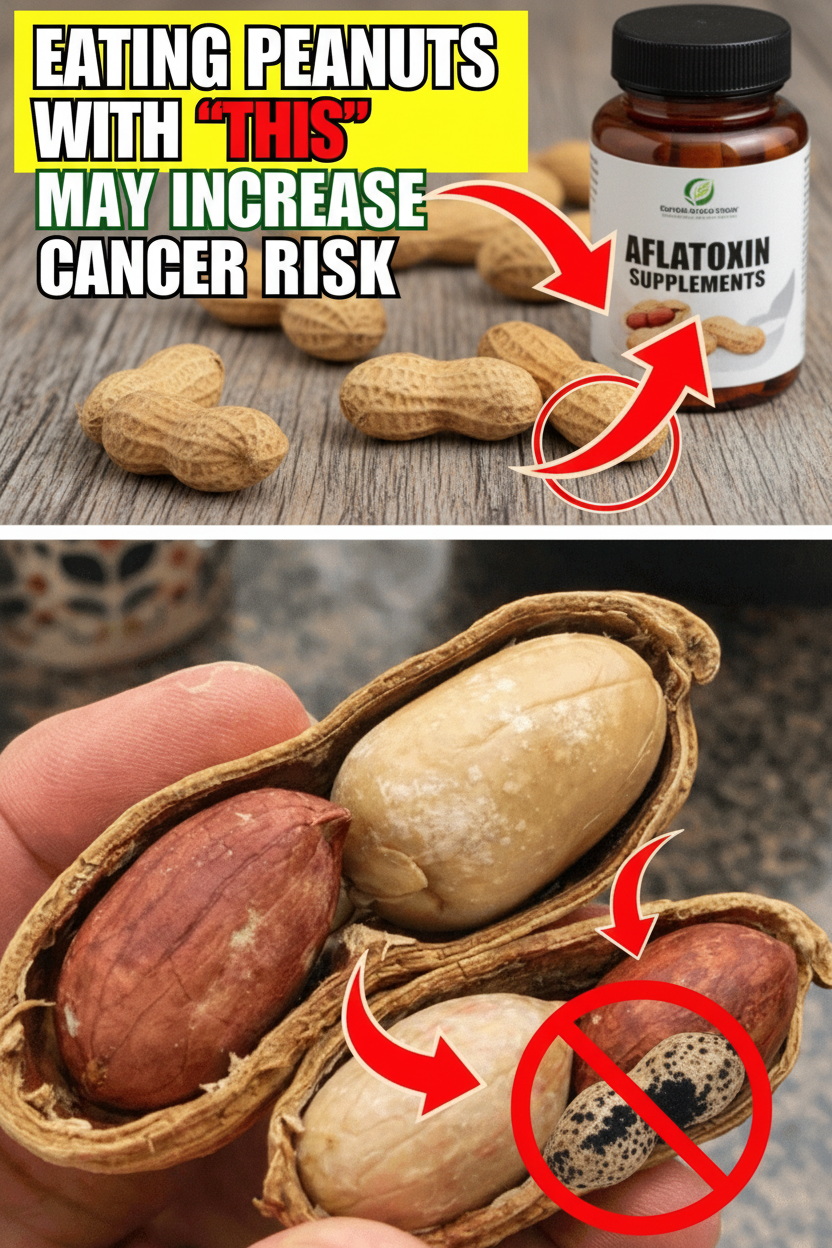
Aflatoxins are highly toxic compounds produced by specific molds that can contaminate peanuts, particularly when stored improperly. These toxins are classified as carcinogenic, meaning they have the potential to cause liver damage and significantly elevate the risk of certain cancers.
How to Avoid:
Always procure your peanuts from reputable and trusted suppliers. Ensure peanuts are stored in a cool, dry environment to actively prevent mold growth. Roasting peanuts at high temperatures can also contribute to reducing aflatoxin levels.
5. Why Raw Peanuts May Not Be Your Best Choice
Why it’s a Problem:
Raw peanuts contain lectins, which are compounds that can lead to digestive discomfort in some individuals. Furthermore, raw peanuts may harbor harmful bacteria or various toxins that could cause stomach upset or other gastrointestinal issues.
How to Avoid:
Opt for roasted or boiled peanuts over raw ones to enhance digestibility and ensure greater safety. Always inspect peanuts for any unusual taste or smell, which could indicate spoilage or contamination, and discard them if found.
6. The Detriment of Combining Peanuts with Excessive Sugar
Why it’s a Problem:
While peanuts are inherently nutritious, pairing them with an abundance of sugar—whether in sweetened peanut butter or various peanut-based snacks—can negate their health benefits. Excessive sugar consumption is a primary driver of weight gain, heightens the risk of type 2 diabetes, and promotes systemic inflammation within the body.
How to Avoid:
Select natural peanut butter varieties that contain no added sugars or artificial additives. When preparing homemade peanut-based snacks, use minimal sugar or opt for healthier, natural sweeteners like a touch of honey or maple syrup.
7. The Impact of Eating Peanuts on an Empty Stomach
Why it’s a Problem:
Due to their substantial fat content, consuming peanuts on an empty stomach can often lead to indigestion, bloating, or an uncomfortable feeling of heaviness. Fatty foods are notoriously slow to digest, which can cause significant discomfort when your digestive system is otherwise empty.
How to Avoid:
Integrate peanuts into a balanced meal or as part of a more substantial snack to facilitate proper digestion. Pairing them with fiber-rich foods can help balance the meal and preempt any digestive distress.
8. Mastering Portion Control with Peanut Butter
Why it’s a Problem:
Peanut butter, a rich source of protein and beneficial fats, is incredibly easy to overconsume due to its creamy texture and appealing flavor. Additionally, many commercial peanut butters are laden with added sugars, salts, and various preservatives.
How to Avoid:
Adhere to a modest serving size of one to two tablespoons of peanut butter per sitting. For the healthiest option, always choose natural, unsweetened peanut butter that contains minimal ingredients.
Conclusion: Enjoy Peanuts Responsibly
Peanuts, when consumed thoughtfully and with awareness, remain a healthy and satisfying addition to your diet. By consciously avoiding common pitfalls such as overeating, excessive sodium intake, and improperly stored peanuts, you can fully embrace their nutritional advantages without incurring unnecessary health risks. Always remember to pair them with other nutrient-dense foods and diligently manage your portion sizes to truly benefit from this versatile legume.