 By admin
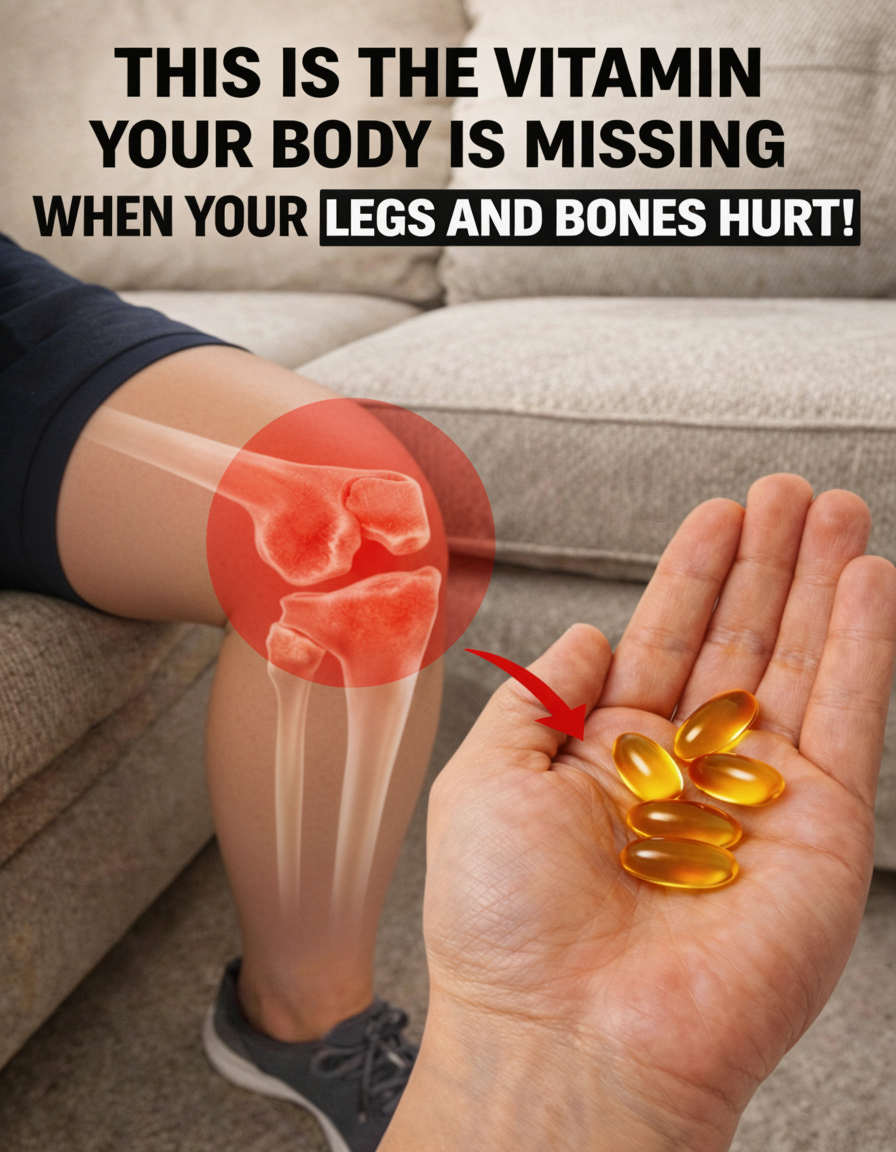
 Many individuals often attribute persistent leg aches, joint stiffness, or general bone discomfort to the natural process of aging or the aftermath of strenuous physical activity. Yet, this ongoing malaise in your lower limbs and skeletal structure could be indicative of a more profound issue: a nutritional shortfall. A prevalent culprit behind such symptoms is insufficient vitamin D, a vital nutrient crucial for robust bone health, optimal muscle performance, and overall physical agility. If you frequently find yourself waking up with aching legs, contending with tender bones, or experiencing unexplainable muscle weakness, your body might be signaling a deficiency in this indispensable vitamin. This comprehensive guide will delve into the mechanisms through which a vitamin D deficit can manifest as pain in your legs and bones, outline the telltale signs to watch for, and provide actionable strategies to naturally replenish healthy levels.
Why Vitamin D Is Indispensable for Skeletal and Muscular Wellbeing
Vitamin D is profoundly instrumental in sustaining the integrity of your bones and the efficiency of your muscles. Its primary biological role involves facilitating the absorption of calcium and phosphorus, two critical minerals that form the very foundation of bone density and structural strength. Insufficient vitamin D impedes the body’s capacity to preserve healthy bone tissue. When concentrations of vitamin D fall below optimal thresholds, bones can progressively weaken and soften, a condition medically termed osteomalacia in adults. This deterioration frequently results in significant bone discomfort, diminished muscle strength, and an elevated susceptibility to fractures. Furthermore, inadequate vitamin D can severely impair normal muscular operation. Muscles may exhibit reduced strength or become more susceptible to spasms and cramping, which often explains why individuals experiencing a deficiency frequently report aching legs, particularly following physical exertion or during nocturnal hours. Given its dual impact on both bone metabolic processes and muscular efficiency, even a seemingly minor vitamin D deficiency can precipitate persistent aches or inexplicable discomfort throughout the lower body.
Recognizing the Telltale Indicators of a Potential Vitamin D Deficiency
A deficit in vitamin D typically manifests incrementally, meaning that initial symptoms can be quite subtle and easily overlooked. It’s not uncommon for individuals to endure suboptimal levels for extended periods before recognizing an underlying issue. Below are some of the most frequently observed warning signs:
- Persistent Leg Pain: A dull or throbbing sensation in the thighs, knees, or calves can arise as bones begin to lose their essential mineral density. Some individuals also report heightened sensitivity or tenderness along the shinbones or other lower leg structures.
- Skeletal or Articular Aches: Pain experienced in the hip region, lower back, or pelvis may serve as an early indicator of bone weakening, directly linked to inadequate vitamin D availability.
- Muscular Debilitation: Diminished vitamin D concentrations can lead to muscles feeling perpetually fatigued or weak, thereby complicating routine activities like ascending stairs or simply rising from a seated position.
- Recurrent Muscle Spasms: Certain individuals may experience frequent cramps or involuntary spasms in their legs, a direct consequence of muscles failing to operate optimally without sufficient vitamin D support.
- Pervasive Exhaustion: An unusual sense of tiredness or lack of energy, even after obtaining ample rest, is another widely recognized symptom associated with a vitamin D shortfall.
Should you observe a combination of these symptoms, consulting a medical professional to assess your vitamin D status would be a prudent step.
Understanding the Global Prevalence of Vitamin D Deficiency
Despite its undeniable importance for human health, vitamin D insufficiency is remarkably prevalent across the globe. Indeed, public health authorities estimate that approximately one billion individuals worldwide are currently experiencing suboptimal vitamin D levels. A confluence of various contemporary lifestyle elements significantly contributes to this pervasive issue:
- Insufficient Sun Exposure: Vitamin D has earned the moniker “the sunshine vitamin” due to the body’s natural capacity to synthesize it upon direct exposure of the skin to ultraviolet B (UVB) rays from sunlight. Modern lifestyles, characterized by extensive time spent indoors, severely curtails this natural production pathway.
- Inadequate Dietary Sources: A very limited array of foods naturally contain significant amounts of vitamin D, rendering it challenging for many to satisfy their daily requirements through diet alone.
- Age-Related Decline: With advancing age, the skin’s efficiency in converting sunlight into vitamin D diminishes considerably, making older adults more susceptible to deficiency.
- Underlying Medical Conditions: Various health issues, including malabsorptive digestive disorders, chronic kidney disease, and liver dysfunction, can impede the body’s ability to metabolize and utilize vitamin D effectively.
These combined factors illustrate why even individuals adhering to a seemingly healthy diet can still be at risk of developing a vitamin D deficiency.
Dietary Sources to Naturally Enhance Your Vitamin D Intake
While direct sunlight exposure remains a primary and highly effective method for sustaining optimal vitamin D concentrations, dietary choices also contribute significantly. Integrating certain foods into your regular eating plan can provide valuable supplemental vitamin D. Among the most beneficial natural sources are:
- Oily fish such as wild salmon, rich mackerel, and nutrient-dense sardines.
- Egg yolks, particularly from pastured hens.
- Fortified milk products (both dairy and non-dairy options like almond or soy milk).
- Fortified breakfast cereals.
- Cod liver oil, a traditional supplement renowned for its high vitamin D content.
Consistently incorporating these vitamin D-rich foods into your daily meals can play a crucial role in maintaining sufficient levels of this vital nutrient.
The Pivotal Role of Sunlight in Vitamin D Synthesis
Sunlight is the primary catalyst for the skin’s natural production of vitamin D, initiating a crucial biochemical pathway. For a significant portion of the population, dedicating approximately 10 to 30 minutes to direct sun exposure several times weekly can be instrumental in upholding healthy vitamin D levels. This duration can vary based on individual skin pigmentation, geographical latitude, and the time of day. Nevertheless, factors such as the liberal application of high-SPF sunscreens, predominantly indoor occupations and leisure activities, and residing in northern latitudes or areas with persistent cloud cover can severely impede this natural synthesis.
Understanding the profound impact of vitamin D on bone and muscle health is the first step toward addressing persistent pain and discomfort. By recognizing the symptoms of deficiency and proactively incorporating dietary sources and safe sun exposure into your routine, you can empower your body to maintain optimal vitamin D levels, leading to improved mobility, stronger bones, and a better quality of life. If you suspect a deficiency, always consult with a healthcare provider for proper diagnosis and personalized recommendations.