 By admin
 The Evolving Clitoris: A Lifelong Journey of Female Pleasure and Sexual Health from Your 20s to 60s
As women navigate the various stages of life, their bodies undergo significant transformations, particularly in areas related to intimacy and sexual pleasure. These shifts, often influenced by fluctuating hormone levels, can sometimes lead to feelings of apprehension or disconnection regarding one’s sexual health and enjoyment. It’s common to wonder if these physical changes might diminish the capacity for satisfaction in relationships.
However, gaining a deeper understanding of how the clitoris adapts with age can offer profound reassurance. This vital organ demonstrates remarkable resilience, proving that physical evolution doesn’t necessarily detract from its central role in sensory pleasure. Prepare to uncover some surprising insights about its size and function that challenge common assumptions and highlight the body’s incredible adaptability.
Understanding the Clitoris: The Core of Female Pleasure
The clitoris, though often appearing small externally, is a profoundly powerful component of the female anatomy. Situated at the superior junction of the inner labia, it stands out as the only human organ exclusively dedicated to pleasure. Its dense concentration of nerve endings—estimated to be between 8,000 and 10,000, according to anatomical research—makes it extraordinarily sensitive to touch, playing a pivotal role in sexual arousal and orgasm.
Crucially, unlike many other bodily structures that may decline in function over time, the clitoris is designed for enduring vitality. Its internal architecture extends deep within the body, forming a wishbone-like structure with legs that envelop the vaginal canal. This intricate design enables it to respond to stimulation from multiple angles, significantly enriching overall sexual experiences. Beyond mere physical sensation, the capacity for sensory satisfaction is intrinsically linked to emotional well-being. Studies suggest that maintaining awareness and connection with this organ can boost self-confidence and foster greater intimacy. Furthermore, its natural evolution throughout a woman’s life reveals truly fascinating adaptations.
Decoding Clitoral Changes Across the Decades: From 20s to 60s
As women transition from their twenties through their sixties, hormonal fluctuations—particularly in estrogen levels—exert a significant influence on various bodily tissues, including those surrounding the clitoris. In younger adulthood, robust estrogen levels promote optimal hydration and rapid blood flow to the area, facilitating quick, vibrant, and seemingly effortless responses.
However, by midlife, typically around the 40s and 50s, the onset of perimenopause brings about a decline in hormone levels. This can lead to reduced natural lubrication and subtle alterations in surrounding tissues. Counter-intuitively, the clitoris itself does not shrink as one might anticipate. In a remarkable twist, some observations indicate that it can subtly increase in size due to adaptations in adjacent structures. Research suggests that by a woman’s 30s, the clitoris may be approximately four times larger than it was during adolescence, potentially growing even more significantly by menopause.
This growth is not always visibly dramatic but stems from the organ’s erectile tissue responding to the cumulative effects of lifelong hormonal influences. These transformations are a natural part of physiological progression, not a sign of decline. Nevertheless, not all changes are without their nuances. Decreased estrogen can result in thinning of the vaginal tissues, which can indirectly affect the sensation and comfort of clitoral stimulation. While this might necessitate more time to achieve arousal, the fundamental sensitivity of the clitoris remains resilient.
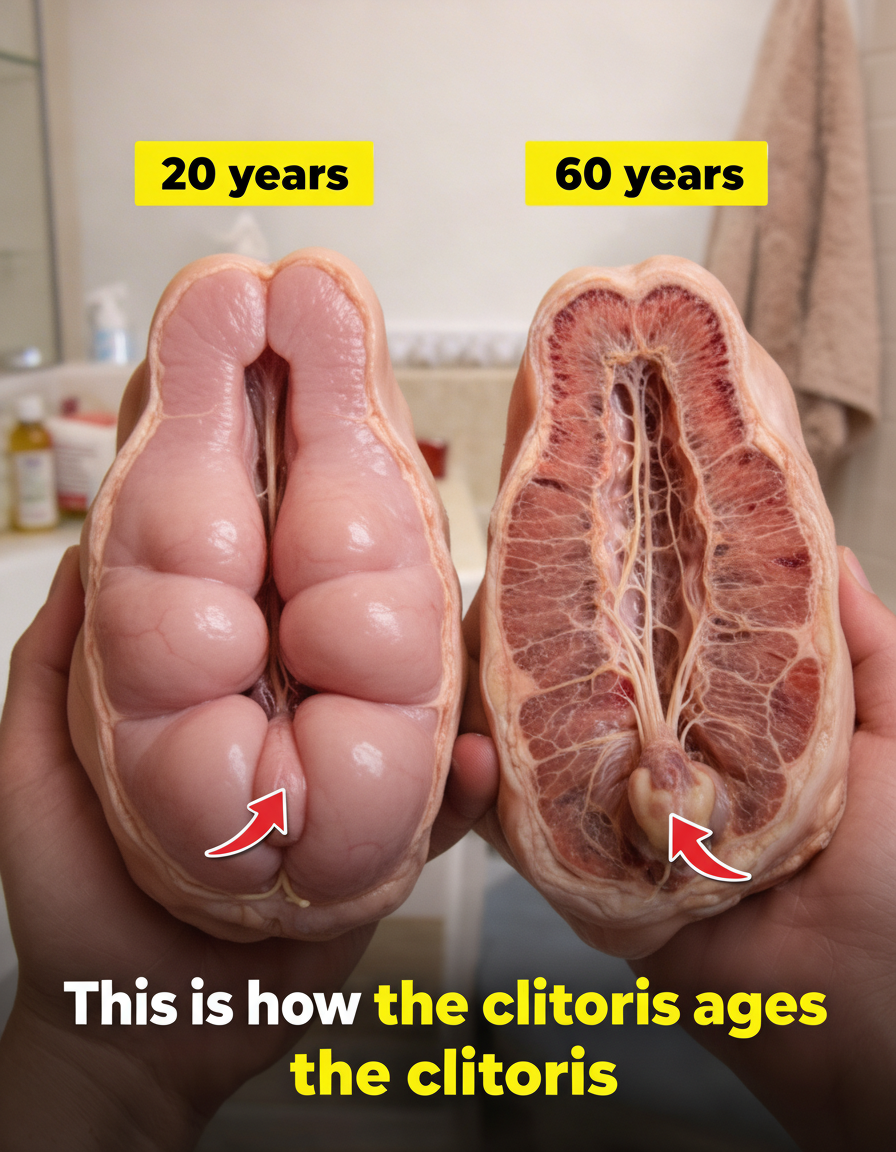
A Comparative Look: The Clitoris at 20 vs. 60
To further clarify these age-related adaptations, let’s examine a comparison of the clitoris at two distinct life stages:
| Aspect | At 20 Years Old | At 60 Years Old |
|---|---|---|
| Hydration and Lubrication | High estrogen levels ensure quick, abundant natural moisture, leading to smooth and immediate responses. | A natural dip in hormones may slow lubrication, but external aids and mindful stimulation can effectively restore comfort and ease. |
| Size and Structure | Typically more compact, characterized by rapid vascular engorgement in response to stimulation. | Potentially larger due to tissue adaptations and hormonal influences, though these changes are often not overtly noticeable externally. |
| Sensory Network | A dense network of nerve endings provides intense, immediate, and highly responsive feedback. | The critical nerve endings remain largely intact, allowing for an evolved yet consistently pleasurable sensory experience. |
| Overall Function | Characterized by quick arousal and often peak, intense orgasmic experiences. | May require a more gradual buildup to arousal, but the fundamental capacity for profound sexual enjoyment and satisfaction endures. |
This comparison underscores that while the external presentation and immediate responsiveness may evolve, the core physiological mechanisms for pleasure within the clitoris remain robust and enduring.
Sustaining Sensitivity and Deepening Pleasure Through the Years
One of the most encouraging revelations about the clitoris is that its intricate network of nerve endings does not diminish with age. Unlike some other sensory organs that may experience a decline, the clitoris maintains its robust sensitivity to touch, supported by its dedicated neural pathways. In a woman’s 20s, responses are typically swift and intense, thanks to optimal hormone levels.
By the 60s, while achieving lubrication might take more time, the inherent potential for pleasure is far from lost. Evidence suggests that consistent, regular stimulation plays a crucial role in maintaining healthy blood flow to the area, thus preserving tissue health and responsiveness. What’s more, satisfaction can often deepen with accumulated life experience. Many women report that a greater understanding of their own bodies and desires leads to more fulfilling and profound intimate encounters.
Factors such as effective stress reduction, open and honest communication with partners, and a proactive approach to exploring one’s own sensuality become even more vital in sustaining a vibrant sexual life. The clitoris, in its remarkable adaptability, continues to be a source of pleasure and connection throughout a woman’s entire lifespan, reminding us that sexual health is a lifelong journey of discovery and fulfillment.