 By admin
 The Gut Microbiome Unveiled: How Trillions of Microbes Power Your Daily Health and Well-being
Do you often find yourself battling persistent digestive issues, such as uncomfortable bloating or erratic bowel movements, which drain your energy and disrupt your daily routine? When various diets and lifestyle adjustments offer little solace, it’s natural to feel frustrated and question why your body isn’t functioning optimally. The answer might lie in a fascinating internal ecosystem: your gut microbiome. By delving into the crucial role of the beneficial bacteria residing within your digestive system, you can gain profound insights into achieving overall balance and vitality. Prepare to discover a remarkable truth about these microscopic allies that could fundamentally transform your understanding of health.
What Is the Gut Microbiome and Why Does It Matter?
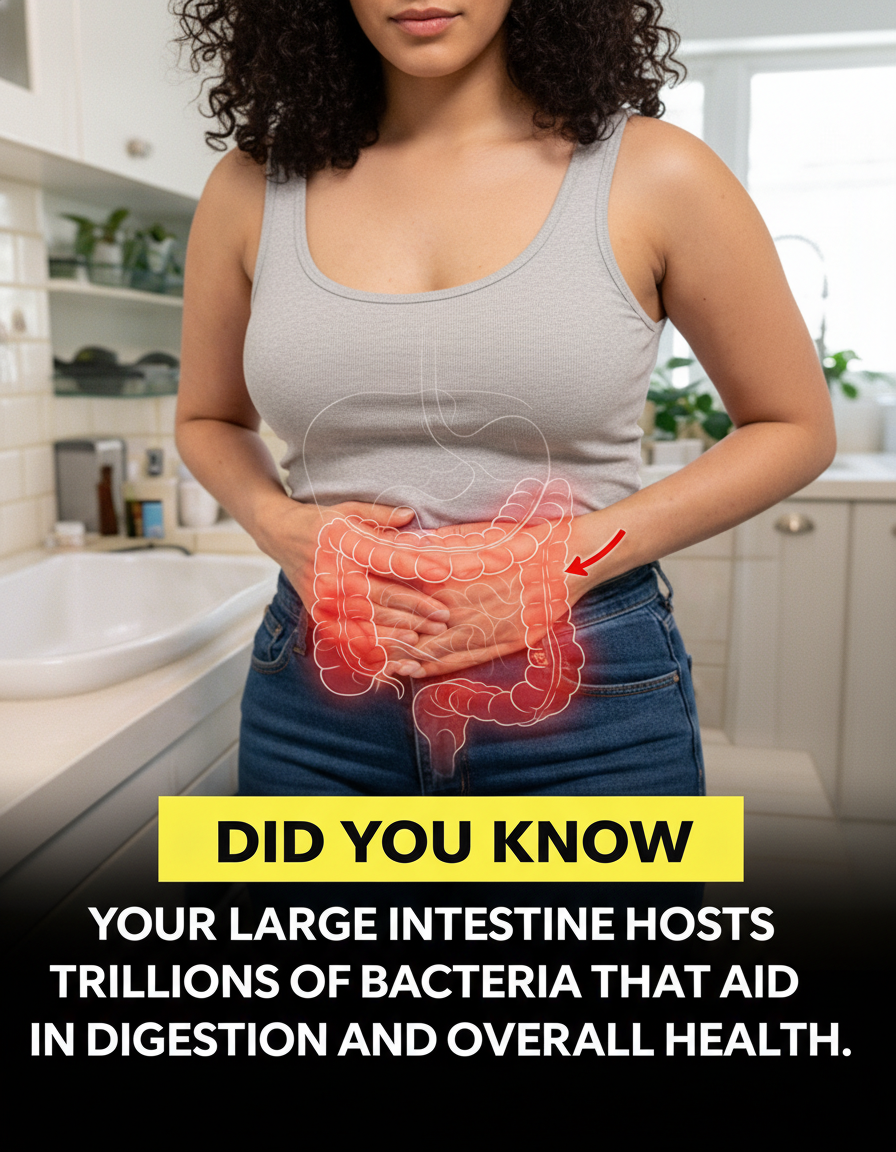
At its core, your gut microbiome represents an intricate and diverse community of trillions of microorganisms inhabiting your digestive tract. This bustling internal ecosystem comprises not just bacteria, but also viruses, fungi, and other microscopic entities, all collaborating to maintain your internal harmony. Leading research, including insights from institutions like Harvard Medical School, consistently emphasizes that a thriving, balanced microbiome is absolutely fundamental for holistic health and overall well-being. More than just a static collection, this dynamic internal world begins to form at birth and continuously adapts throughout your life, profoundly influenced by your dietary choices and lifestyle habits. Its significance extends far beyond mere digestion, acting as a pivotal force in virtually every aspect of your daily bodily functions.
The Key Players in Your Gut
Within this complex microbial community, bacteria constitute the largest and most influential group. Key types often found include Bacteroidetes and Firmicutes, both instrumental in the efficient breakdown of complex food particles. Studies published in prestigious journals like Nature highlight that the specific composition of these bacterial groups varies considerably from individual to individual, shaped by diverse factors such as age, geographical location, and environmental exposures. What’s truly remarkable is that these microscopic inhabitants are far from passive; they are active, indispensable contributors to your health, influencing your body in profound and often surprising ways.
How Gut Bacteria Help You Digest Food
Effective digestion is a two-part process: it’s not only about the food you consume but critically, how efficiently your body breaks it down and utilizes its components. Your gut bacteria play an indispensable role by fermenting dietary fibers—substances your stomach and small intestine cannot fully process on their own. This fermentation process yields beneficial short-chain fatty acids (SCFAs). As detailed in research from Cell Metabolism, these SCFAs serve as a vital energy source for the cells lining your intestines, promoting gut integrity. Crucially, without this microbial assistance, your body would struggle significantly to extract and absorb essential nutrients from fiber-rich foods like vegetables, fruits, and whole grains. Consider them your internal culinary experts, meticulously preparing nutrients for optimal absorption.
Producing Essential Vitamins
Beyond their digestive prowess, your gut bacteria are biochemical powerhouses, actively synthesizing several essential vitamins. They produce vital nutrients such as Vitamin K, critical for proper blood clotting, and various B vitamins, including B12, which are indispensable for energy production and neurological health. A comprehensive review published in the Nutrients journal underscores that deficiencies in these microbially-produced vitamins can manifest as symptoms ranging from chronic fatigue to compromised bone density. Furthermore, these industrious microbes contribute significantly to regulating your metabolism, subtly influencing how your body stores and expends energy, thereby potentially impacting long-term weight management and overall metabolic health.
Strengthening Your Immune System with Gut Bacteria
A staggering 70% of your body’s immune system is located within your gut, a fact consistently highlighted by studies from the National Institutes of Health (NIH). Here, your beneficial gut bacteria act as vital educators for your immune cells. They meticulously train these cells to effectively differentiate between potentially harmful pathogens and innocuous substances, preventing unnecessary immune responses. This educational role is paramount. An imbalanced microbiome, often termed dysbiosis, can compromise this delicate training, potentially leading to immune overreactions, such as exacerbated allergic responses or inflammatory conditions. Maintaining a harmonious and diverse gut environment is therefore fundamental to bolstering your body’s natural defense mechanisms.
The Gut-Brain Connection
The profound interrelationship between your digestive system and your brain is often referred to as the “gut-brain axis”. This bidirectional communication pathway is heavily influenced by your gut bacteria, which are capable of producing a wide array of neurotransmitters, including a significant portion of the body’s serotonin – a chemical crucial for regulating mood, sleep, and appetite. Groundbreaking research published in journals like Frontiers in Psychiatry indicates that this intricate connection plays a substantial role in modulating your stress responses and overall mental well-being. Intriguingly, cultivating a diverse and healthy microbiome is increasingly linked to enhanced cognitive function and mental clarity. It’s truly remarkable to consider how the microscopic world within your gut can exert such a tangible influence on your thoughts, emotions, and psychological resilience.
The Role of Gut Bacteria in Life and Beyond
Throughout your life, your body meticulously regulates this vast microbial community, ensuring that these bacteria primarily contribute to your health. They actively assist in detoxifying harmful compounds and vigilantly defending against pathogenic microorganisms. Interestingly, the role of these microbes extends beyond life itself. In a profound testament to the cycle of nature, after death, the delicate balance within the microbiome shifts, and these same microorganisms participate in the natural processes of decomposition, returning vital nutrients to the earth, as extensively documented in forensic science literature. This transformative journey underscores their fundamental role in both individual biology and the broader ecological renewal.
Factors That Influence Your Microbiome
The composition and health of your gut microbiome are dynamically influenced by a variety of factors:
- Diet: Consuming a rich array of high-fiber foods, such as fruits, vegetables, and whole grains (often referred to as prebiotics), is paramount for fostering the growth and diversity of beneficial bacteria.
- Antibiotics: While life-saving, antibiotics can indiscriminately eliminate both harmful and beneficial gut bacteria, leading to temporary or prolonged disruption of the microbial balance. Judicious use is therefore crucial.
- Stress: Chronic psychological stress has a demonstrable impact on the gut, potentially altering microbial diversity and function, highlighting the intricate gut-brain connection.
- Exercise: Engaging in regular physical activity has been shown to positively influence gut microbiota composition, promoting a healthier and more diverse microbial community.
Research from the American Journal of Clinical Nutrition consistently emphasizes that a varied and nutrient-dense diet is a cornerstone for cultivating a robust and resilient microbiome.
Dispelling Misconceptions: Common Myths About Your Gut Microbiome
- Myth: All bacteria are detrimental.
Reality: The vast majority of bacteria residing in your gut are not only harmless but are profoundly beneficial and essential for your health. - Myth: Probiotics are a universal cure-all.
Reality: While probiotic supplements can play a supportive role in restoring or maintaining gut balance, they are not a magic bullet for all health issues. Their effectiveness is strain-specific and varies among individuals. - Myth: Your microbiome is a static entity.
Reality: Far from being fixed, your gut microbiome is remarkably dynamic and constantly evolving. It adapts and responds to your diet, environment, stress levels, and overall lifestyle choices.
Understanding these truths empowers you to make more informed decisions regarding your gut health.
The intricate world of your gut microbiome is undeniably a cornerstone of your overall health, influencing everything from digestion and immunity to mood and metabolism. By recognizing the immense power of these trillions of microscopic allies, you gain the ability to proactively nurture your internal ecosystem. Embracing a diverse, whole-food diet, managing stress, and maintaining an active lifestyle are powerful steps you can take to cultivate a thriving gut and unlock a path to enhanced well-being. Start prioritizing your gut health today, and experience the transformative impact it can have on your daily life.