 By admin
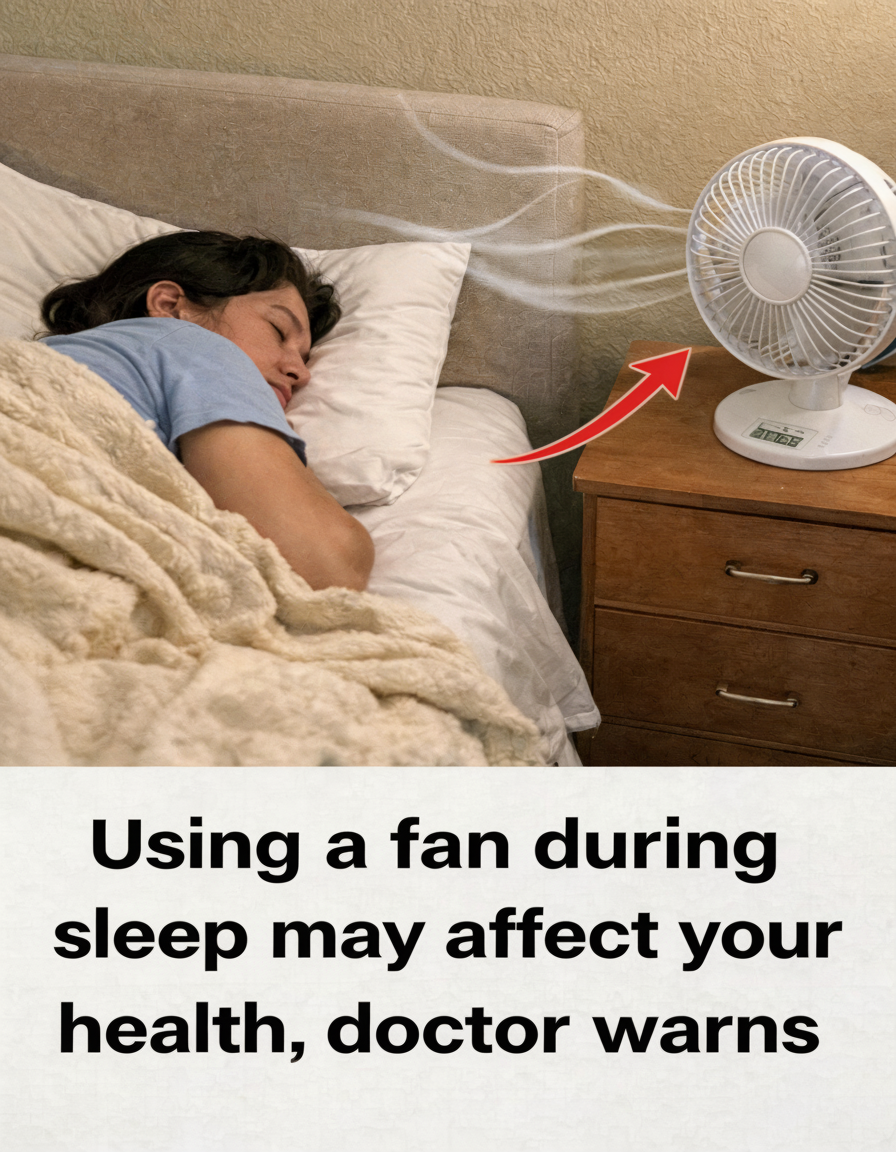
 Across the globe, millions regularly opt to sleep with a fan running throughout the night. The gentle circulation of air and the soothing “white noise” it generates often make it easier to drift off, particularly during warmer months. Nevertheless, health professionals caution that this widespread practice, if not managed properly, could lead to several unforeseen adverse effects. This article will delve into the actual physiological responses to sleeping with a fan, outline the potential health concerns it might pose, and offer practical advice for enjoying a cooler sleep environment without compromising your well-being.
Why Many Individuals Choose to Sleep with a Fan
Utilizing a fan during nighttime hours is exceedingly common, primarily due to its immediate advantages:
- It effectively lowers both body temperature and the ambient room temperature.
- It produces a calming background hum, which assists some individuals in achieving sleep more quickly.
- It ensures air movement within enclosed or stuffy sleeping areas.
Optimal airflow and proper ventilation are crucial for enhancing sleep comfort, as excessive heat or inadequate air circulation can significantly impair sleep quality. While fans are undeniably useful for temperature regulation, the continuous flow of air can also introduce problems that many users initially overlook.
Five Overlooked Health Issues Associated with Overnight Fan Use
1. Dryness of Skin, Eyes, and Throat
A prevalent consequence of sleeping with a fan running all night is increased dryness. The ceaseless stream of air directed at your body can strip away moisture from your skin and delicate mucous membranes. Medical experts indicate that the circulating air from a fan can dehydrate the mouth, skin, and eyes, potentially resulting in irritation or discomfort upon waking. You might experience symptoms such as:
- Parched eyes
- A raspy sensation in the throat
- Cracked or chapped lips
- Tight or irritated skin
Individuals already prone to dry eye syndrome or those with sensitive skin may find these effects particularly pronounced.
2. Aggravated Allergies and Sinus Conditions
Fans do more than just circulate cool air; they also actively disperse airborne particles like dust, pollen, and pet dander throughout your sleeping space. This means your fan could be constantly blowing allergens directly towards your face as you rest. Research and medical opinions confirm that fans can exacerbate allergy symptoms by stirring up these microscopic irritants. Common symptoms include:
- Frequent sneezing
- A persistently runny nose
- Nasal congestion
- Itchy or watery eyes
- Nocturnal coughing fits
For those living with asthma or severe allergies, this irritation has the potential to disrupt sleep patterns or intensify existing breathing difficulties.
3. Nasal Passage Irritation and Excessive Mucus Production
The dry air generated by continuous fan operation can irritate the delicate lining of your nasal passages. In response to this dryness, the body frequently overcompensates by producing an increased amount of mucus. This physiological reaction can manifest as symptoms such as headaches, a blocked nose, or a sore throat. Consequently, you might wake up feeling as if you’re developing a cold, even though the fan itself is not the cause of an illness.
4. Muscle Stiffness and Aches in the Neck
Directing a strong current of air towards your body while you sleep can also have an impact on your muscles. Exposure to cold air hitting the same area for several hours might cause muscles to tense up or contract during the night. This can contribute to:
- A stiff neck
- Pain in the shoulders
- Tension in the back
Many individuals report experiencing these issues more acutely when the fan is positioned to blow directly onto their upper body.
5. Sleep Disturbances for Some Individuals
While the consistent hum of a fan provides comforting white noise for some, others may find it to be a significant distraction. The noise itself, along with any vibrations or subtle rattling sounds, can disrupt sensitive sleepers and interfere with crucial deep sleep cycles. Persistently poor sleep quality can eventually lead to:
- Feelings of fatigue
- Difficulties with concentration
- Reduced energy levels throughout the day
Is Using a Fan During Sleep Truly Dangerous?
The reassuring news is that for the majority of people, sleeping with a fan on is generally considered a safe practice. However, experts emphasize that this habit has the potential to worsen specific symptoms or create discomfort if not utilized correctly. For instance, individuals with pre-existing conditions such as allergies, asthma, or sensitive skin may experience more pronounced adverse effects from consistent airflow.
Strategies for Safe Fan Use While Sleeping
If you cherish the cool, refreshing breeze a fan provides at night, it’s not necessary to discontinue its use entirely. Instead, consider adopting these safer practices:
- Avoid Direct Airflow Towards Your Body: Position the fan to circulate air throughout the room rather than blowing directly onto your face or chest.
- Regularly Clean Your Fan: Accumulations of dust on fan blades can effectively distribute allergens around your bedroom.
- Utilize a Timer Function: Set your fan to automatically switch off once you’ve fallen asleep, thereby minimizing prolonged overnight exposure.
- Ensure Room Hydration: Employing a humidifier can help counteract the drying effect of constant airflow, maintaining better air moisture.
- Promote Good Bedroom Ventilation: Adequate fresh air circulation can help prevent stuffy environments without relying excessively on direct fan airflow.
The Bottom Line
Sleeping with a fan is a simple yet effective habit many people depend on for comfort and to regulate temperature. While it certainly aids in keeping you cool and relaxed, it’s important to recognize that continuous airflow can also contribute to issues like dryness, exacerbated allergies, sinus irritation, and even muscle stiffness. By understanding these potential drawbacks and implementing the suggested safe usage tips, you can continue to enjoy the benefits of your fan without negatively impacting your health and well-being.