 By admin
 Let’s be real: we all grab that quick pill – for a killer headache, that gnawing heartburn, or a nasty cold. We just want relief, *fast*. But here’s the kicker, folks: what feels like a harmless habit can secretly be hammering your kidneys, slowly but surely, over months or even years. Especially if you’re popping them like candy, or if you’re older, dehydrated, or battling high blood pressure. Now, don’t panic! The good news is, just *knowing* this makes a world of difference. A few smart moves can keep you ahead of the game. But wait, there’s a deeper secret most people completely miss: these pills are still flying off pharmacy shelves like hotcakes, and the reasons why are gonna blow your mind. Stick around to get the full, unfiltered truth.
The Inside Scoop: How Your Daily Pills Can Seriously Mess With Your Kidney Function
Alright, listen up. Your kidneys? They’re the unsung heroes, working 24/7, non-stop, to filter out all the junk, keep your fluids balanced, and keep that blood pressure in check. But when some of these common medications hit your system, they can throw a wrench in the works. We’re talking about messing with blood flow, building up nasty minerals, or even igniting inflammation in those super-sensitive kidney tissues. Big players like the National Kidney Foundation and the National Institute of Diabetes and Digestive and Kidney Diseases (NIDDK) aren’t messing around either; their research screams it loud and clear: if you’re on these meds for too long or hammering them at high doses, you’re rolling the dice with noticeable effects on your kidney health. The real deal is, it all boils down to how long you’ve been on ’em, how much you’re taking, and your own personal health story. Get the facts, understand the game, and you can make smart choices without freaking out.
The Dirty Eight: Common Pills That Might Be Giving Your Kidneys a Hard Time
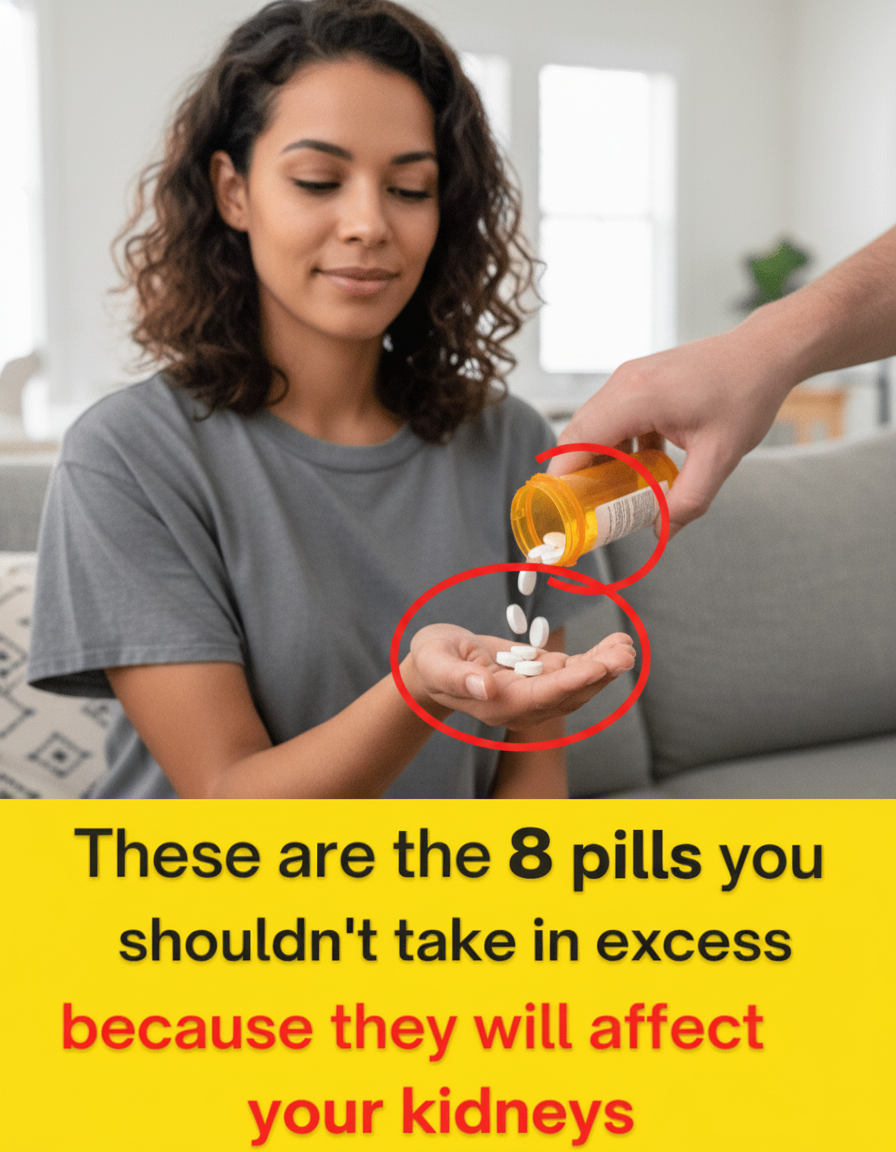
Now, let’s cut to the chase and expose the eight widely available pills that, according to serious studies, are linked to potential kidney issues if you’re popping them on the regular. Don’t get it twisted – each of these serves a legit purpose for millions of people, and that’s exactly why they’re still everywhere. Just remember, this isn’t your personal prescription; it’s general info. Your doctor is the one who can give you the straight talk tailored to *your* unique situation. Got it?
1. Ibuprofen (Advil, Motrin) – The Painkiller Punch
Ah, Ibuprofen. Your go-to for a throbbing headache, angry muscle aches, or those dreadful menstrual cramps. It’s an NSAID, and it’s a champ at killing pain and dialing down inflammation. But here’s the lowdown from the pros: in certain situations, especially if you’re parched or taking it daily for ages, this bad boy can actually choke off blood flow to your kidneys. A quick hit? Usually no biggie for healthy adults. But keep hammering it, and your kidneys might just need a serious check-up.
2. Naproxen (Aleve) – The Long-Haul Lurker
Meet Naproxen, Ibuprofen’s cousin, chilling in countless medicine cabinets. It’s another NSAID, famous for giving you longer-lasting relief from gnarly arthritis or that killer back pain. Just like its buddy Ibuprofen, this one can start messing with your kidney filtration if you’re using it consistently. And here’s a critical warning shot from the NIDDK: if you’ve already got blood pressure issues, consider this a giant red flag. Don’t say we didn’t warn you.
3. Aspirin (When You Overdo It) – The Sneaky Old Timer
Aspirin. The OG. A tiny dose is a lifesaver for many hearts. But start chugging higher doses regularly for pain, and guess what? It starts acting like those other NSAIDs, screwing with your kidney blood flow. Research is pretty clear: a casual pop now and then? No sweat. But if it’s part of your daily grind, you absolutely need to have a real talk with your doctor. Seriously, get it checked.
4. Omeprazole (Prilosec OTC) – The Acid Assassin’s Secret
Omeprazole, the ultimate heartburn and acid reflux killer for millions. This bad boy is a proton pump inhibitor (PPI), and it shuts down that fiery burn like a boss. But here’s the quiet whisper from long-term studies: for some folks, extended use might just be subtly altering their kidney function. Why’s it still a bestseller? Simple: when those wimpy antacids just don’t cut it, this one delivers potent relief. But at what cost?
5. Esomeprazole (Nexium 24HR) – The Cousin with a Catch
Meet Esomeprazole, Omeprazole’s close relative, ready to take on those truly stubborn acid problems. The story’s pretty much the same here: it’s a powerhouse for daily comfort, no doubt. But if you’re making it a long-term habit, some experts are waving flags, urging you to get those kidneys checked out regularly. Don’t ignore the signs.
6. Lansoprazole (Prevacid 24HR) – Another PPI, Same Old Story
And then there’s Lansoprazole, another PPI option staring at you from the pharmacy shelf, a go-to for ulcers and reflux. People love it because it delivers fast results – instant relief, right? But hold up: the same long-term red flags apply here, just like with its acid-reducing buddies. Don’t get fooled by the quick fix; think about the long game for your kidneys.
7. Pseudoephedrine (Sudafed) – The Nose Un-Stuffer’s Secret
Got a stuffy nose from a brutal cold or allergies? Pseudoephedrine is your guy for clearing that mess. But here’s the catch: it can jack up your blood pressure, even if it’s just for a bit. And higher blood pressure? That’s a direct hit to your kidneys, especially if you’re already sensitive. That’s why this stuff is often locked behind the counter – it’s powerful, it’s effective, and it’s still everywhere, but you gotta be smart about it.
8. Those All-In-One Cold and Flu Pills – The Symptom Slayers
Let’s talk about those multi-symptom cold and flu pills. They’re like the Swiss Army knife of medicine, packing NSAIDs or decongestants with a bunch of other stuff. Super convenient, right? One pill, multiple symptoms gone. But here’s the danger: all those ingredients together can seriously crank up your kidney’s workload, especially when you’re already sick and probably dehydrated. It’s a double whammy for your filtering organs. They vanish from shelves because they promise to slay all your symptoms at once, but at what potential cost to your kidneys?
Now, here’s the real head-scratcher, the part that makes you go “hmmm…” Why aren’t these eight pills banned outright? Why haven’t they been yanked off the shelves? Simple: for the overwhelming majority of healthy adults who use them exactly as directed and only for a short time, the good they do – the relief they bring – totally crushes any potential risks. The folks in charge, the regulators, they’re looking at hard data, showing millions of people getting serious relief without a single complication. It’s a balancing act, a tough call, but that’s the bottom line.
The Unfiltered Truth: Why These Pills Are Still Everywhere (And What That Means For You)
So, you’re probably scratching your head, thinking, “How in the world do products with these known issues keep flying off the market?” The real answer, my friend, boils down to a delicate balance. Regulators aren’t just blindly letting things slide; they’re constantly weighing the widespread, proven benefits for millions against the potential, often rare, risks for a smaller group. It’s a calculated risk, a trade-off where the immediate relief and public health benefits often tip the scales. They’ve got to consider the big picture, the societal impact, and the sheer number of people who genuinely need these medications to function. It’s not about ignoring the risks; it’s about managing them within a broader context, ensuring access while still flagging potential concerns for those who need to be extra careful. This isn’t just about a pill; it’s about a complex system designed to serve the most people effectively.
Stay sharp, stay healthy, and keep those kidneys happy! For more unfiltered truths and vital health insights, don’t miss our other articles right here on dogpjs.com. Your health is your wealth, and we’re here to help you protect it.