 By admin
 The Promise of Soursop (Graviola) for Prostate Health: Research Insights and Considerations
For many men aged 50 and above, an enlarged prostate can become a source of considerable discomfort. This common condition, often referred to as benign prostatic hyperplasia (BPH), frequently manifests as symptoms like frequent nocturnal urination, a noticeably weaker urine stream, and a persistent sensation that the bladder hasn’t fully emptied. Such issues can significantly disrupt sleep patterns, diminish confidence, and subtly but frustratingly impact daily life.
While conventional medical treatments and important lifestyle adjustments offer relief for many, a growing number of individuals are exploring natural options to complement their existing health routines. Among the various botanicals drawing attention, a tropical fruit known as soursop — also called graviola or Annona muricata — has emerged in recent scientific discussions. But what precisely does the scientific community understand about its potential connection to prostate wellness?
This article aims to explore the developing body of research surrounding soursop, delving into its key bioactive compounds and how current studies suggest it might support prostate health. We’ll also provide practical insights on how this unique fruit can be considered within a balanced diet.
What is Soursop (Graviola) and Why the Scientific Interest?
Soursop is a distinctive, heart-shaped fruit native to lush tropical regions, recognized by its spiky green exterior and creamy white, fibrous interior. Its flavor profile is often described as a delightful fusion of pineapple, strawberry, and citrus notes, making it a refreshing culinary delight.
Beyond its appealing taste, soursop contains a rich array of bioactive compounds, including unique acetogenins, a variety of flavonoids, and potent antioxidants. These constituents have sparked considerable interest in preclinical research, particularly in laboratory and animal studies investigating their interactions with cells and tissues relevant to prostate health.
For instance, some early research has examined how extracts from soursop might influence markers associated with prostate enlargement, specifically benign prostatic hyperplasia (BPH) – a prevalent, non-cancerous condition common among aging men. It’s crucial to note, however, that while these initial findings are compelling, the majority of the evidence originates from preclinical work, not extensive human clinical trials. Esteemed organizations such as Cancer Research UK and MD Anderson Cancer Center consistently emphasize the need for more robust human studies before definitive conclusions can be drawn.
Key Bioactive Compounds in Soursop Under Investigation
The potential links between soursop and prostate support are largely attributed to its complex profile of naturally occurring substances:
- Acetogenins: These are a distinct class of compounds unique to the Annonaceae family (which includes soursop). In laboratory settings, acetogenins have demonstrated significant activity against various cellular processes. Animal studies suggest they may play a role in modulating oxidative stress and inflammatory responses within prostate tissue.
- Antioxidants (Flavonoids and Vitamin C): Found abundantly in soursop, these powerful antioxidants are vital for combating free radicals, unstable molecules that can contribute to cellular damage and aging. By neutralizing free radicals, these compounds indirectly support overall cellular health and can contribute to balanced prostate function.
- Other Phytochemicals: The soursop plant also contains other beneficial compounds, such as annonacin, which are present in various parts of the plant, including the leaves and fruit pulp.
Furthermore, emerging animal models have explored the effects of specific soursop fractions on testosterone-induced prostate changes. These studies have indicated shifts in prostate weight, enzyme levels, and inflammatory markers, providing further avenues for research.
Soursop and Prostate Health: Unpacking Preclinical Research
Research interest concerning soursop’s impact on the prostate has largely concentrated on two primary areas: prostate cell behavior in vitro and models of benign prostate enlargement in vivo.
In Vitro Studies (Laboratory Cell Lines)
In controlled laboratory environments, extracts derived from soursop pulp or leaves have demonstrated intriguing effects on prostate cancer cell lines. Under specific conditions, such as hypoxia (low oxygen), these extracts have been observed to reduce cell proliferation. One study, for example, highlighted the ability of pulp extract to inhibit certain enzyme activities directly linked to cell growth and division.
In Vivo Studies (Animal Models for BPH)
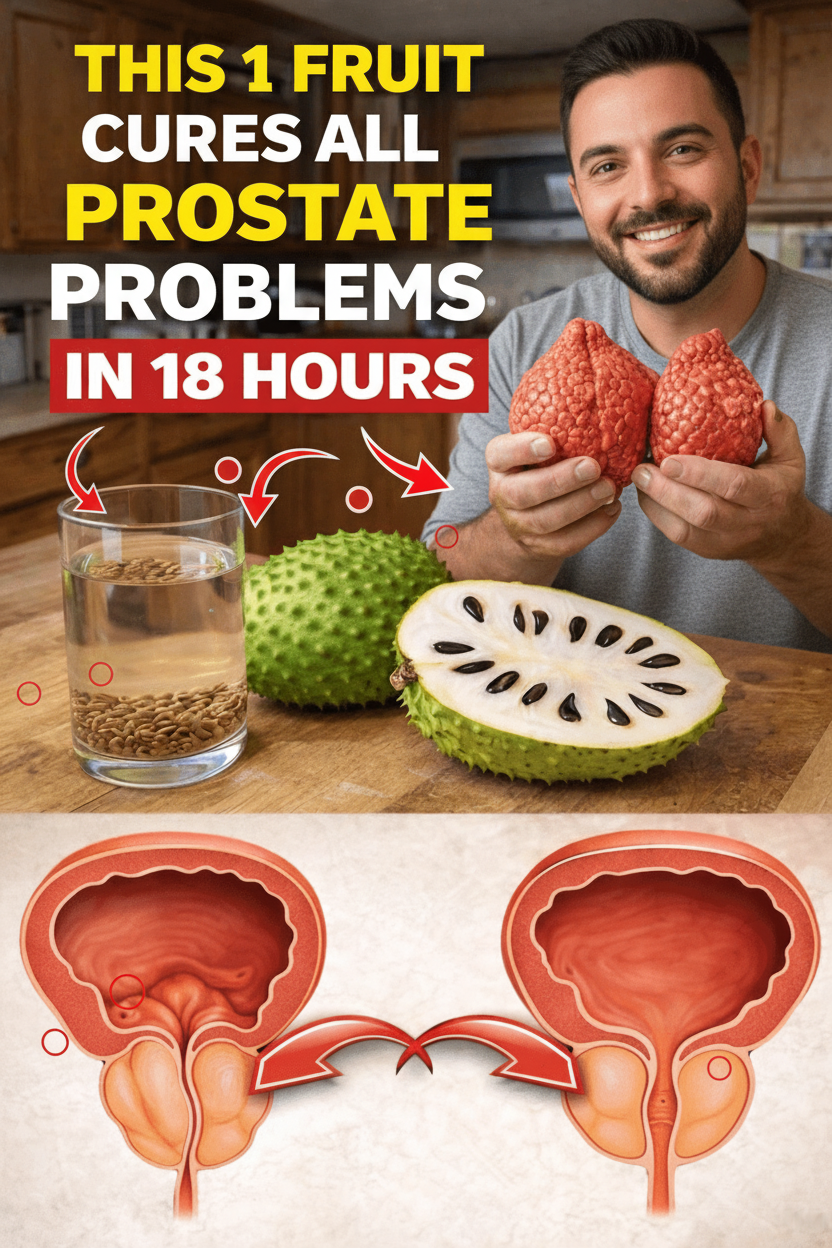
Several rat studies have provided valuable insights into soursop’s potential role in benign prostatic hyperplasia. Researchers typically induce prostate enlargement in rats using testosterone, then administer various soursop extracts (sourced from leaves, seeds, or fruit). The results frequently include:
- A noticeable reduction in prostate weight and relative organ size.
- Lowered levels of prostate-specific antigen (PSA) markers, which can be elevated in BPH.
- Improved antioxidant status within prostate tissue, indicating enhanced protection against oxidative damage.
- Decreased signs of inflammation and oxidative stress.
For instance, independent experiments have consistently shown that acetogenin-rich leaf fractions and hexane seed fractions exhibit these beneficial effects. Fruit pulp extracts also appeared to mitigate adverse changes in some models. These findings collectively suggest that compounds within soursop may contribute to maintaining healthy prostate size and function in controlled experimental settings.
However, it is crucial for experts to emphasize that results from animal studies do not always directly translate to human physiology. Human clinical evidence remains significantly limited, and no major health authority currently endorses soursop as a primary therapeutic approach for prostate concerns.
Important Considerations and the Path Ahead
Given the promising, yet preliminary, nature of current research, it is vital to approach soursop’s potential role in prostate health with a balanced perspective. The significant gap in large-scale, randomized controlled human clinical trials means that while the science is intriguing, definitive conclusions for human application cannot yet be made.
Therefore, no major health organization currently recommends soursop as a primary treatment for prostate conditions. Individuals considering soursop for health purposes, especially those with existing health issues or taking medications, should always consult with a qualified healthcare professional. Organizations like Cancer Research UK and MD Anderson Cancer Center consistently advise caution and emphasize the need for more rigorous human studies before making health claims.
Beyond Prostate Health: General Wellness Benefits of Soursop
Aside from its specific applications in prostate research, soursop offers a range of general nutritional benefits that align perfectly with a healthy lifestyle:
- Rich in Vitamin C: A powerful antioxidant, Vitamin C is essential for bolstering the immune system and protecting cells from damage.
- Excellent Source of Fiber: Dietary fiber is crucial for digestive health, promoting regularity and contributing to a healthy gut microbiome.
- Abundant in Minerals: Soursop provides important minerals like potassium, which is vital for maintaining healthy blood pressure and fluid balance.
- Broad Antioxidant and Anti-inflammatory Properties: The general anti-inflammatory and antioxidant compounds present in soursop are subjects of broader research, suggesting potential contributions to overall wellness when consumed regularly as part of a balanced diet.
Integrating Soursop into Your Diet: Practical Tips
Incorporating soursop into your diet can be both simple and delicious. Enjoy the fresh fruit by itself, add its creamy flesh to smoothies or juices for a tropical twist, or explore its use in desserts and even some savory dishes. Its unique flavor makes it a versatile ingredient for culinary experimentation.
Conclusion
Soursop, or Graviola, presents an intriguing natural compound with promising preclinical evidence for its potential role in supporting prostate health. Its rich profile of bioactive compounds, particularly acetogenins and antioxidants, has shown encouraging effects in laboratory and animal models, influencing factors like prostate size, inflammation, and cellular proliferation.
Nevertheless, it is paramount to reiterate that these findings are preliminary. The scientific community eagerly awaits robust, large-scale human clinical trials to validate these initial observations and determine the efficacy and safety of soursop for human prostate conditions. While it is a nutritious fruit that can certainly complement a healthy diet, soursop should not be considered a standalone treatment or a substitute for professional medical advice or prescribed therapies for prostate issues. Always consult with a healthcare professional before making significant changes to your health regimen, especially when dealing with specific health concerns.