 By admin
 The Rice Method for Brighter Smiles: Unpacking the Facts and Potential Risks
Achieving a radiant smile is a common aspiration, yet many individuals experience gradual tooth discoloration due to daily habits like consuming coffee or red wine, or simply the natural aging process. This often leads to reduced self-confidence in social interactions and photographs. Recently, a DIY solution known as the “rice method” has gained traction online, touted as an easy, natural approach to brighten teeth using ordinary rice. This article delves into the specifics of this trending home remedy, examining its purported benefits and potential dangers, highlighting why informed decisions about oral health are paramount.
Understanding the Rice Method: A Closer Look
You’ve likely encountered viral content promoting the rice method as a swift solution for discolored teeth. But what exactly does this natural teeth whitening technique entail? Essentially, it involves utilizing rice—typically ground into a fine flour—as a gentle abrasive to buff away superficial stains from tooth surfaces. Some variations suggest combining it with other common household ingredients to amplify its effects. Here’s a detailed breakdown of a widely circulated version:
- Begin with approximately one tablespoon of uncooked rice.
- Grind the rice into a fine powder using a blender or a traditional mortar and pestle.
- Combine the resulting rice flour with a small amount of lemon juice, a dash of olive oil, and a modest quantity of regular toothpaste.
- Apply this paste to your teeth using a soft toothbrush or your finger, gently rubbing for one to two minutes.
- Rinse your mouth thoroughly with water afterward.
Advocates of the rice method claim that the rice particles act as a natural exfoliant, while the lemon’s acidity helps to break down stains. However, the question remains: is there any credible scientific basis for these claims? The concept reportedly draws inspiration from traditional practices in some cultures where grains were used for cleaning. Nevertheless, its modern popularity seems significantly amplified by social media trends. It’s also worth noting that various interpretations exist; some even suggest chewing raw rice grains for scrubbing, a practice that sounds more abrasive than beneficial for dental health.
The Efficacy Debate: Does the Rice Method Actually Work?
While the rice method appears appealing due to its low cost and reliance on common pantry items, a closer examination reveals a lack of robust scientific evidence. Research specifically on the effectiveness of natural abrasives like rice flour for teeth whitening is quite limited. A study published in the Journal of Clinical and Experimental Dentistry indicates that mild abrasives can indeed remove some extrinsic stains—those caused by food and beverages—but they are generally ineffective at penetrating deeper tooth discoloration, unlike professional whitening treatments.
In reality, any perceived polishing effect from using rice might offer a temporary shine, similar to the superficial cleaning achieved by brushing with baking soda. However, for significant, long-lasting changes in tooth shade, it’s highly improbable that the rice method can rival dedicated whitening products. Interestingly, user testimonials on online forums like Reddit frequently report mixed outcomes; some users note smoother teeth, while others observe no difference after weeks of consistent use. Organizations like the American Dental Association (ADA) consistently emphasize that truly effective teeth whitening typically relies on peroxides, which chemically alter stain molecules. Since rice lacks this chemical component, it may clean surfaces but cannot genuinely whiten teeth.
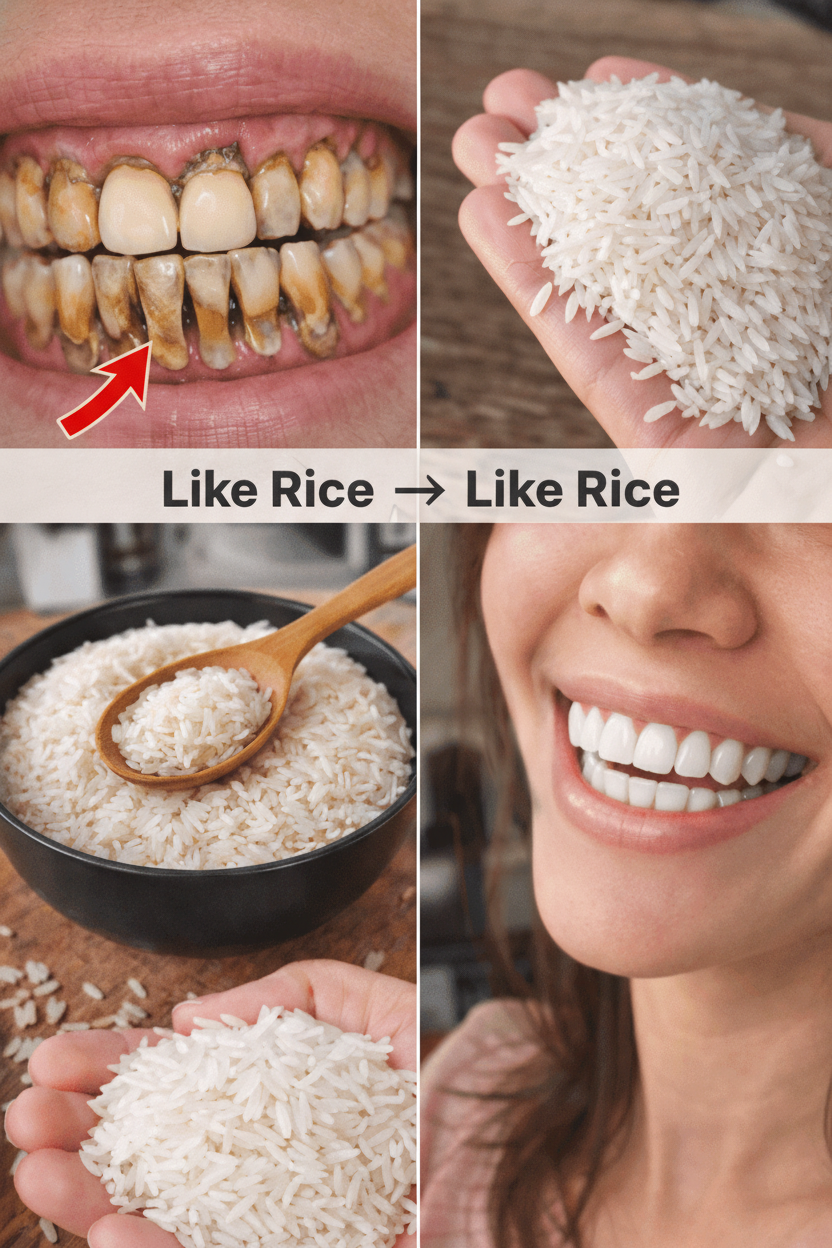
Skeptics also point out that much of the buzz surrounding the rice method originates from unverified social media posts, potentially influenced by affiliate marketing. It is always crucial to cross-reference such claims with reputable sources before attempting any DIY dental care. Yet, before you consider trying this method, there are important risks to understand.
Unpacking the Risks: Potential Dangers of the Rice Method
Despite its seemingly innocuous nature, employing the rice method for brighter smiles carries several potential drawbacks. Let’s explore these concerns in detail.
Firstly, the abrasive texture of rice flour, especially if ground inconsistently, could gradually wear down your tooth enamel with aggressive or prolonged use. Enamel is the vital protective outer layer of your teeth, and critically, it does not regenerate once lost. The inclusion of lemon juice further exacerbates this risk. Lemons are highly acidic, typically possessing a pH level around 2, which can soften enamel and lead to irreversible erosion. Research highlighted in the British Dental Journal warns that repeated exposure to acids significantly increases tooth sensitivity and the likelihood of developing dental decay.
While olive oil might add lubrication and toothpaste could offer a minor buffering effect, neither ingredient effectively counteracts the severe erosive potential of strong acids combined with abrasives. Other significant concerns include:
- Allergic Reactions: Sensitivity to any of the ingredients could trigger irritation or allergic responses in the gums and oral tissues.
- Inconsistent Results and Damage: Without standardized preparation and application, there’s a risk of overdoing the abrasion in certain areas, potentially leading to uneven wear or localized damage.
- Hygiene Issues: Grinding rice at home without proper sterilization can introduce contaminants, posing a risk of oral infections or other oral hygiene problems.
Dental professionals frequently advise against using DIY mixtures containing acids, as they can severely disrupt the natural pH balance within the mouth. A comprehensive review in the Journal of the American Dental Association underscores how some home remedies, despite good intentions, can ultimately cause more harm than good to dental health. While occasional use might seem harmless, the cumulative effect over time can be detrimental.