 By admin
 Imagine a typical day: you’re enjoying a conversation with loved ones, reaching for your morning coffee, when a sudden, inexplicable weakness grips your hand. Perhaps a fleeting wave of dizziness washes over you, leaving you momentarily disoriented. It’s easy to dismiss these subtle sensations—attributing them to fatigue, stress, or simply “getting older.” Yet, a critical truth often goes unnoticed until it’s too late: your body might be sending vital, albeit quiet, stroke warning signs weeks before a major event. These crucial signals are frequently overlooked, but early recognition could be your best defense, offering a precious window to take action and safeguard your brain health. Pay close attention, as one particular warning discussed later might be the last thing you’d ever associate with a stroke.
Understanding the Rising Impact of Stroke on Health
Stroke continues to be a formidable global health challenge, ranking among the foremost causes of long-term disability. Public health data reveal that hundreds of thousands of individuals worldwide suffer a stroke annually. Beyond the immediate medical crisis, healthcare professionals are particularly concerned by the profound and abrupt life-altering consequences. A stroke can severely impair speech, compromise balance, and erode a person’s ability to live independently. However, there’s a crucial silver lining: emerging research indicates that the body frequently provides preliminary early stroke symptoms prior to a full-blown event.
Often, these pre-stroke indicators manifest as a Transient Ischemic Attack (TIA), commonly known as a “mini-stroke.” TIAs are brief episodes, sometimes lasting only a few minutes, where blood flow to a part of the brain is temporarily interrupted. Their fleeting nature makes them dangerously easy to dismiss, yet they are among the most critical warning signals your body can issue for your future brain health. Recognizing these subtle, often temporary, signs is paramount. Let’s delve into the specific pre-stroke warnings that many people tend to overlook.
8 Crucial Early Stroke Warning Signs You Shouldn’t Ignore
It’s vital to understand that the following symptoms can manifest abruptly and, just as quickly, recede. This transient nature is precisely why they are so commonly dismissed. Nevertheless, medical experts unequivocally stress that even fleeting or temporary neurological symptoms demand immediate attention. These are the early warning signs of stroke your body might be sending, potentially weeks in advance:
1. Unexplained Numbness or Weakness, Often Unilateral
One of the most classic stroke warning signs involves a sudden sensation of numbness or weakness, typically affecting just one side of your body. You might experience an arm feeling unusually heavy, a leg giving way, or a noticeable slight droop on one side of your face. This symptom occurs when the blood flow to a part of the brain is momentarily restricted. Even if this peculiar sensation resolves quickly, it is a critical indicator that warrants urgent medical evaluation.
2. Sudden Difficulty with Speech or Understanding
An abrupt change in your ability to communicate effectively can be another significant pre-stroke warning. This might manifest as slurred speech (dysarthria), struggling to articulate words, or finding your sentences coming out slowly and disjointed. Conversely, some individuals might find they understand what others are saying but cannot formulate their own responses easily (aphasia). Even if this communication difficulty lasts only a few minutes, it strongly suggests that the brain’s function is compromised and requires immediate professional assessment.
3. Abrupt Vision Disturbances
Unexpected alterations to your vision, such as sudden blurry vision, double vision (diplopia), or even temporary loss of sight in one eye (often described as a “curtain” coming down), can be a stroke symptom. Because these visual disturbances can be fleeting, many attribute them to eye strain or exhaustion. However, when vision changes occur suddenly, especially in conjunction with other neurological signs, they are a serious stroke warning sign that demands immediate medical attention.
4. Severe, Unusual, or “Thunderclap” Headache
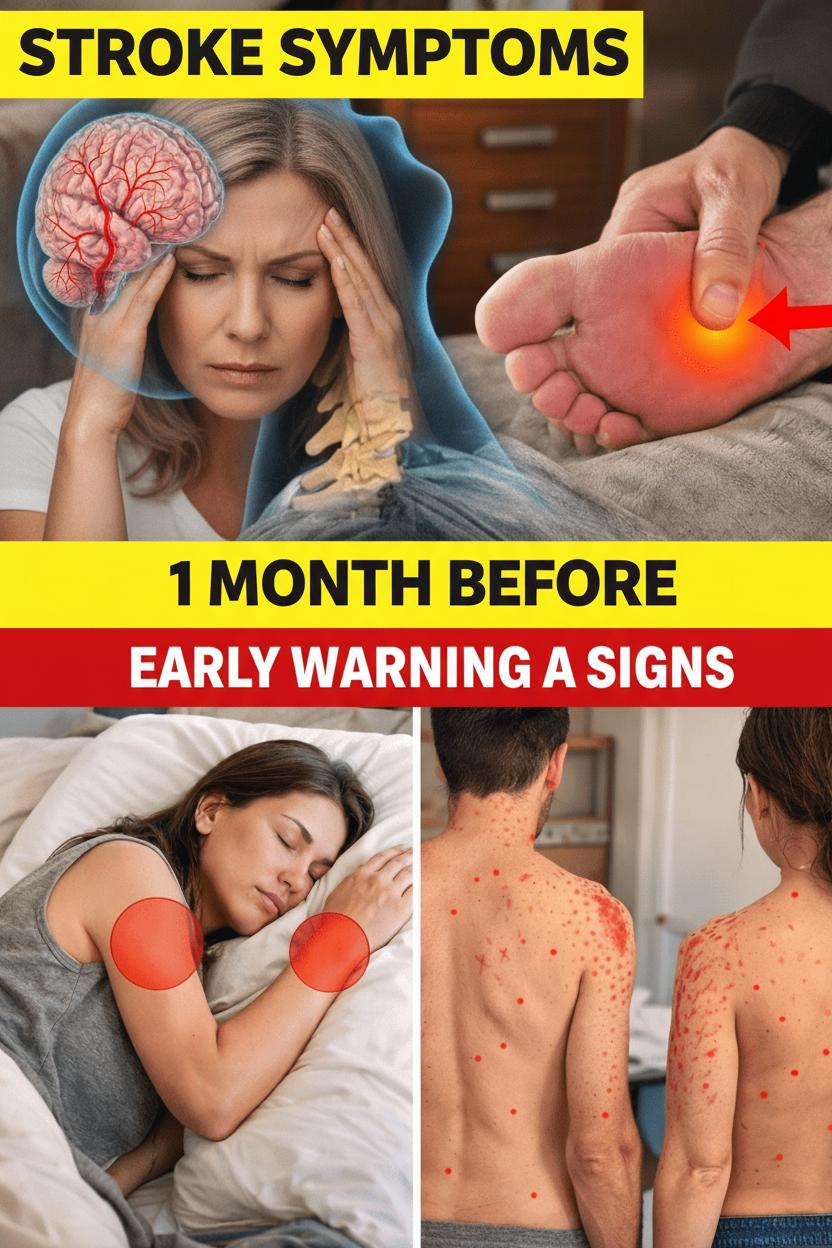
While headaches are common, a sudden onset of a severe headache that feels distinctly different from any you’ve experienced before can be a critical early stroke symptom. Often described as the “worst headache of your life” or a “thunderclap headache,” this type of pain can signal a serious issue within the brain, such as bleeding or a significant disruption in blood flow to the brain. Research has noted that some individuals recall experiencing such unusual headaches days leading up to a stroke. Any unfamiliar, intense, and sudden headache warrants immediate medical investigation.
5. Sudden Dizziness, Vertigo, or Loss of Balance
A sudden onset of profound dizziness, a spinning sensation (vertigo), or an inexplicable loss of balance and coordination can be a significant pre-stroke warning. You might find yourself feeling unsteady when standing, struggling to walk in a straight line, or experiencing a general clumsiness that is out of character. While dizziness can stem from various causes, when it appears abruptly and is accompanied by any other neurological symptoms, it is imperative to seek prompt medical advice to assess your brain health.
6. Acute Confusion or Cognitive Impairment
A less obvious, yet equally important, early stroke symptom is the sudden onset of confusion or a marked difficulty in thinking clearly. You might find yourself struggling to concentrate, experiencing unusual memory lapses, or describing a pervasive “mental fog.” Because these cognitive changes can be mistakenly attributed to normal aging or stress, they are frequently overlooked. However, any abrupt alteration in mental clarity or thinking ability can be a crucial indicator of reduced blood flow to the brain, demanding professional scrutiny.
7. Unexplained Shortness of Breath or Chest Discomfort
While shortness of breath and chest pressure are more frequently associated with cardiac conditions, these symptoms can, in some instances, precede certain vascular events, including strokes. Some individuals who have experienced a stroke later recalled feeling unusually winded or experiencing inexplicable chest tightness weeks prior to their event. It’s important to note that this particular sign is less common for stroke than the others, but any persistent or unusual breathing difficulty or chest discomfort should always be promptly discussed with a healthcare professional to rule out serious underlying conditions affecting both heart and brain health.
8. Profound Fatigue and Unexplained Personality Shifts
This is often the most surprising and easily dismissed stroke warning sign: experiencing profound, unexplained exhaustion even after adequate rest. Alongside this, some individuals report noticeable changes in mood, increased irritability, apathy, or uncharacteristic sadness. These subtle alterations in energy levels and personality are frequently overlooked because they don’t immediately seem connected to brain health. However, when profound fatigue or significant mood shifts appear alongside other neurological symptoms, they can form a critical pattern. Recognizing these combined signals is paramount for early detection and proactive stroke prevention.
Don’t Ignore the Signals: Act Fast for Brain Health
The body often provides subtle, yet critical, clues before a major health crisis like a stroke. While many of these early stroke symptoms can be fleeting or seem benign, understanding their potential significance is vital for stroke prevention and preserving long-term brain health. Never dismiss sudden, unexplained changes in your physical or cognitive state, especially if they occur in combination.
If you or someone you know experiences any of these stroke warning signs, even if they disappear quickly, do not hesitate. Seek immediate medical attention. Early diagnosis and intervention for a Transient Ischemic Attack (TIA) or other pre-stroke indicators can significantly reduce the risk of a full-blown stroke and its devastating consequences. Your proactive approach could be the difference between a temporary scare and a life-altering event.