 By admin
 The Silent Culprit: Is Helicobacter Pylori Secretly Impacting Your Digestive Health?
Do you ever experience a peculiar burning sensation in your stomach after a simple meal, quietly hoping no one notices you constantly rubbing your abdomen? Many older individuals often dismiss such discomfort as “just aging digestion.” However, that persistent pressure, bloating, or unexplained fullness can gradually erode daily comfort and self-assurance. The truth is, a remarkably common stomach bacterium might be silently irritating the digestive lining for years without obvious warning signs. Furthermore, before you dismiss these subtle signals, there’s a crucial detail about this bacterium that many people never hear about until much later in life.
Understanding Helicobacter pylori
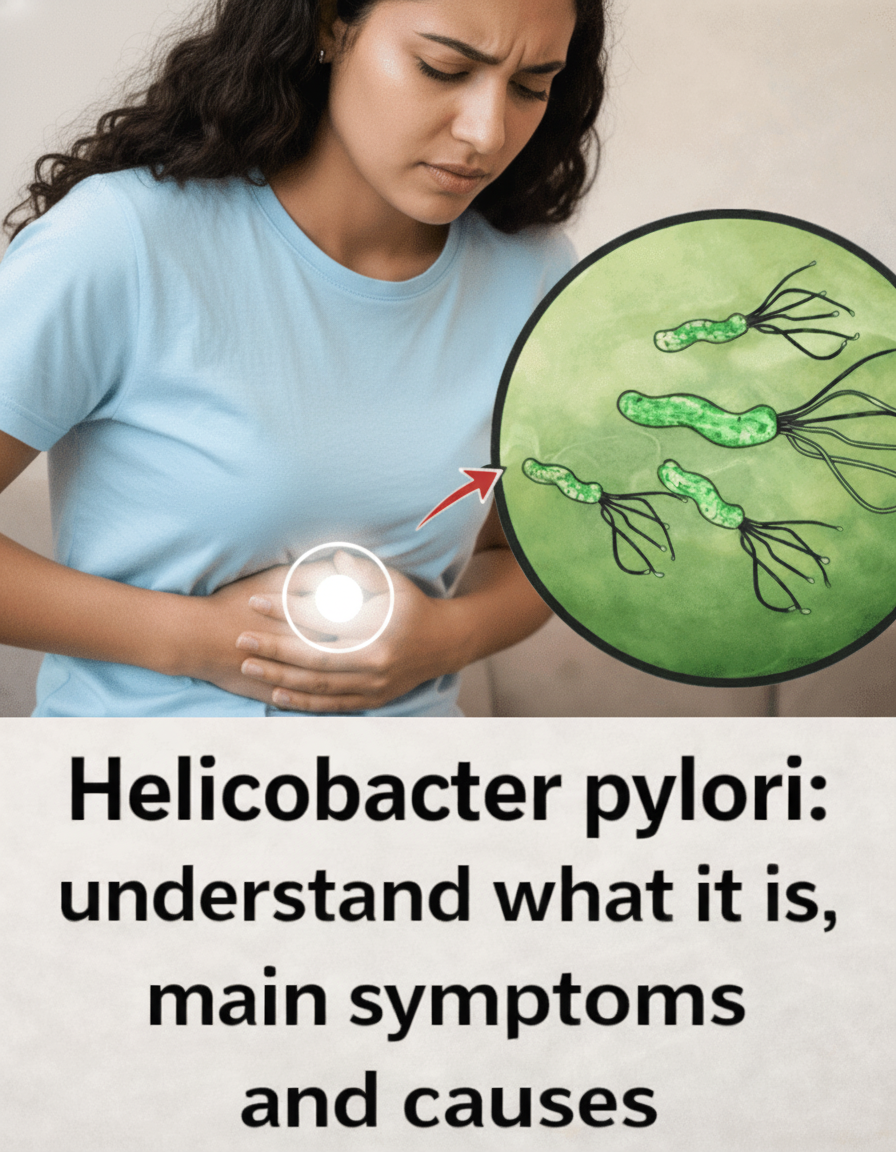
Helicobacter pylori, frequently abbreviated as H. pylori, is a spiral-shaped bacterium that thrives within the protective mucus layer of the stomach and the upper portion of the small intestine. Unlike most microorganisms, this particular bacterium possesses the unique ability to survive the stomach’s highly acidic environment. Its ingenious survival mechanism involves producing an enzyme called urease, which effectively neutralizes the acidity in its immediate surroundings. This allows the bacterium to embed itself deep within the stomach lining, where it can remain undetected for decades. Surprisingly, many individuals carry H. pylori and feel perfectly normal. Nevertheless, in some cases, the bacteria can irritate the stomach lining, leading to chronic digestive discomfort and