 By admin
 Cervical cancer, a malignancy that originates in the cells of the cervix – the lower, narrow part of the uterus connecting to the vagina – poses a significant global health challenge. While various factors can contribute, the overwhelming majority of cases are linked to persistent infection with specific high-risk types of the Human Papillomavirus (HPV), as highlighted by leading health organizations like the World Health Organization. A crucial aspect of this disease, and often its most dangerous, is its insidious nature: in its nascent stages, cervical cancer frequently presents no discernible symptoms. This silent progression often leads to delayed diagnosis, underscoring the vital importance of proactive screening and heightened personal awareness. Regular screening modalities, such as Pap tests and HPV tests, are invaluable tools for detecting precancerous cellular changes long before they escalate into full-blown cancer. Empowering oneself with knowledge about potential warning signs can prompt timely medical consultation, potentially saving lives. Let’s delve into the subtle indicators that warrant your attention.
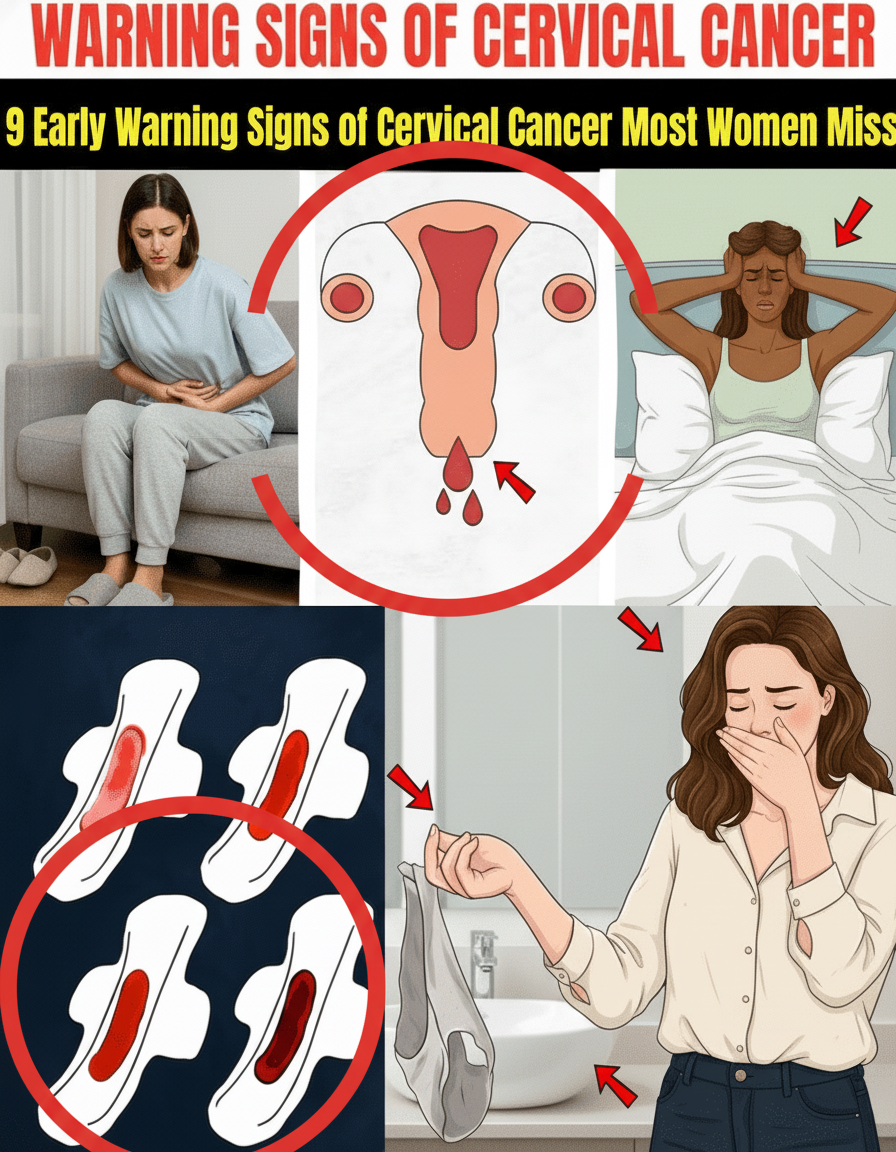
9 Warning Signs of Cervical Cancer That Are Often Overlooked
It’s common for women to overlook or misattribute certain bodily changes to less serious conditions. While many benign issues can manifest similar symptoms, any persistent or unusual change should always prompt a discussion with a healthcare provider. Here are nine potential indicators that deserve careful consideration:
- Unusual Vaginal Bleeding: This symptom is frequently cited by health authorities such as the American Cancer Society and Mayo Clinic as a primary red flag. It encompasses any bleeding or spotting between menstrual periods, after sexual intercourse, or post-menopause. Additionally, menstrual cycles that become unexpectedly heavier or unusually prolonged should also be viewed with concern.
- Abnormal Vaginal Discharge: A discharge that deviates from your normal pattern – perhaps appearing watery, bloody, unusually thick, or having a foul odor – can be a significant clue. This might include discharge that is pinkish, brownish, or contains streaks of blood, especially if it occurs outside your typical cycle or increases noticeably.
- Pain During or After Intercourse: Experiencing discomfort or pain in the pelvic region during or immediately following sexual activity is not normal. This sensation could indicate irritation, inflammation, or the presence of abnormal growths within the cervical area.
- Persistent Pelvic or Lower Back Pain: An ongoing ache or pressure in the lower abdomen, pelvis, or lower back, particularly when it lacks a clear cause like an injury or strenuous activity, can occasionally emerge as the disease progresses.
- Leg Swelling or Pain: In more advanced stages, persistent swelling in one or both legs, often accompanied by a feeling of heaviness, can rarely arise if the cancer begins to exert pressure on nearby blood vessels or nerves.
- Unexplained Fatigue or Weight Loss: Feeling unusually tired, despite adequate rest, or experiencing significant weight loss without any intentional dietary changes or increased physical activity, can sometimes be associated with later stages of cancer.
- Frequent or Painful Urination: Issues such as a burning sensation during urination or an increased frequency of needing to urinate might suggest that the cancer has begun to affect nearby bladder tissues.
- Changes in Bowel Habits: If the cancer impacts adjacent areas, it could potentially lead to alterations in bowel function, manifesting as persistent constipation, diarrhea, or even the presence of blood in the stool.
- Persistent Vaginal Itching or Burning: Chronic irritation, itching, or a burning sensation in the vaginal area that does not resolve with standard remedies or appears without an obvious cause, is another less commonly discussed symptom noted in some medical resources.
It’s important to acknowledge that many of these signs can overlap with common, less serious conditions like infections, hormonal fluctuations, or even stress. The crucial distinction lies in their persistence or worsening over time. Consider this quick comparison:
- Normal Variation: Occasional light spotting, mild menstrual cramps, or typical cyclical changes in discharge.
- Potential Red Flag: Bleeding after sexual intercourse or post-menopause, unusually foul-smelling discharge, or pain that significantly interferes with your daily life.
If you experience any of these symptoms for more than a couple of weeks, do not delay – schedule an appointment with your healthcare provider promptly.
Why These Signs Get Missed So Often
In the hustle and bustle of modern life, it’s remarkably easy for women to dismiss subtle bodily changes as insignificant. The demands of busy schedules, coupled with the fact that hormonal fluctuations, stress, or even certain birth control methods can mimic some of these symptoms, often lead to delayed recognition. Furthermore, as confirmed by health experts from organizations like the CDC and NCI, the earliest stages of cervical changes are frequently asymptomatic, meaning they produce no noticeable signs at all. This ‘silent’ period is precisely why routine screening is not just recommended, but absolutely critical. Regular HPV or Pap tests possess the remarkable ability to detect precancerous cellular alterations long before any symptoms manifest. Scientific research unequivocally demonstrates that widespread HPV vaccination programs and consistent screening protocols have dramatically reduced cervical cancer incidence and mortality rates in numerous regions worldwide. Nevertheless, maintaining a keen awareness of your body’s unique patterns and changes remains an exceptionally powerful tool in your health arsenal.
Actionable Steps You Can Take Today for Better Cervical Health
Empowering yourself with knowledge is the first step; taking proactive measures is the next. Incorporate these simple yet impactful habits into your routine for enhanced cervical health:
- Schedule Regular Screenings: Adhere to the recommended guidelines for your age and risk profile. For average-risk women aged 30-65, this typically involves HPV testing every five years, or as advised by your healthcare provider. It’s worth noting that self-collection options for HPV testing are becoming increasingly available, offering greater convenience.
- Track Your Symptoms: Utilize a journal, calendar, or a dedicated health app to meticulously record any unusual patterns in bleeding, discharge, or pain. This detailed record will be invaluable when discussing your concerns with your doctor, providing them with a clearer picture.
- Get Vaccinated if Eligible: The HPV vaccine offers robust protection against the strains of Human Papillomavirus most strongly linked to cervical cancer, as well as other HPV-related cancers. Discuss eligibility with your healthcare provider.
- Practice Safe Habits: Always use barrier protection (like condoms) during sexual intimacy to reduce the risk of HPV transmission. Additionally, avoiding smoking is crucial, as tobacco use significantly increases your risk of developing cervical cancer.
- Know Your Normal: Develop a deep understanding of what is typical for your body. This self-awareness will enable you to quickly identify and act upon any significant deviations or persistent changes.
These preventive and monitoring steps require minimal effort but offer profound benefits, providing invaluable peace of mind and contributing significantly to your long-term health.
The Power of Prevention and Early Detection
Here lies the most empowering truth about cervical cancer: it is largely preventable and, when detected early, highly treatable. The combination of comprehensive HPV vaccination programs, consistent and timely screening tests (Pap and HPV tests), and a vigilant awareness of your body’s signals represents the single most powerful strategy against this disease. By embracing these tools, we can collectively continue to drive down incidence rates and ensure that cervical cancer becomes a disease of the past, rather than a silent threat of the present.