 By admin
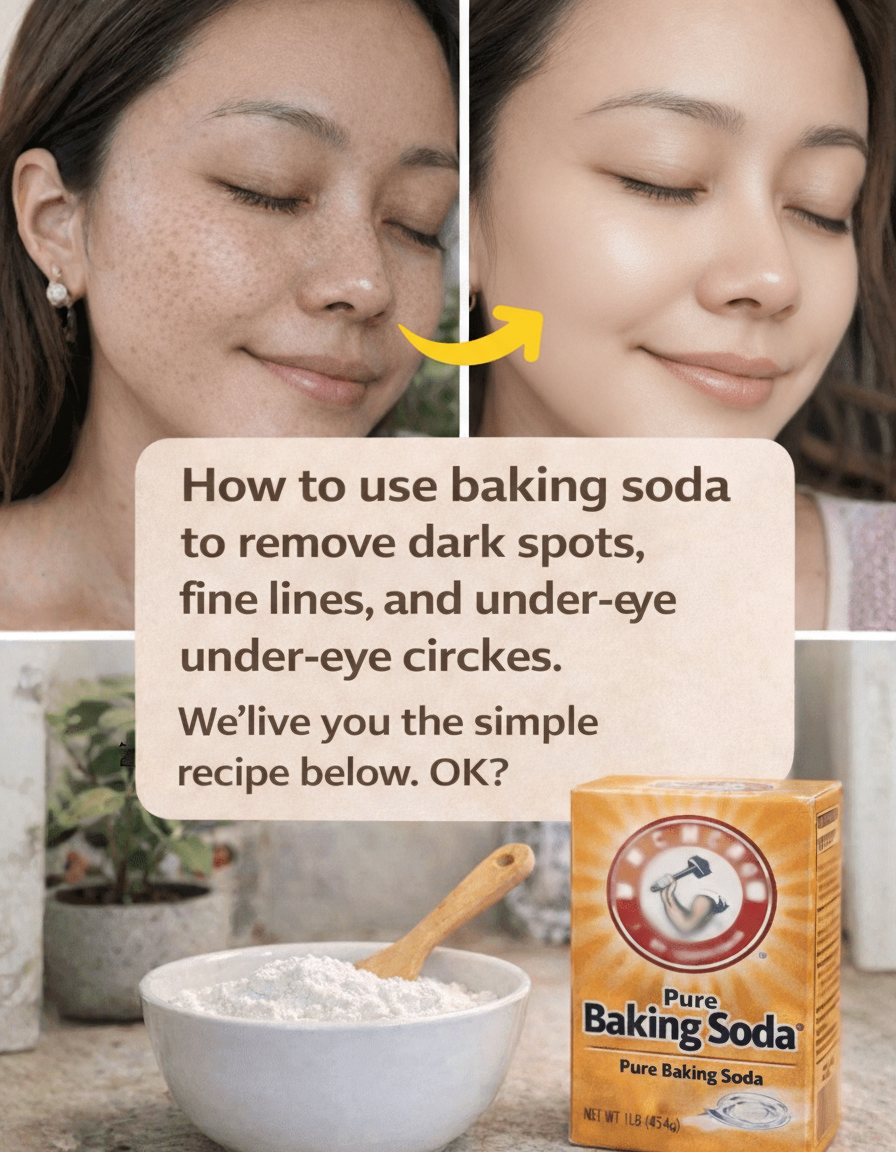
 In the quest for radiant and blemish-free skin, many individuals frequently turn to readily available household staples, such as baking soda, hoping for straightforward remedies to common dermatological concerns like a dull complexion or excessive oiliness. This approach has rapidly gained traction across social media platforms, yet it simultaneously sparks considerable debate among skincare professionals regarding its suitability for diverse skin types. As someone exploring natural, at-home solutions, you might be considering whether this economical option could seamlessly integrate into your daily regimen without causing adverse effects. Prepare to delve deeper, because by the conclusion of this article, you will uncover a crucial insight that might fundamentally alter your perspective on incorporating everyday ingredients into your personal skincare routine.
The Ascent of DIY Skincare and Baking Soda’s Pervasive Appeal
The landscape of personal care has witnessed a significant surge in DIY skincare practices over recent years, with a growing number of adults experimenting with common kitchen ingredients to improve skin texture and manage shine. Baking soda, scientifically known as sodium bicarbonate, a compound celebrated for its versatility in culinary arts and household cleaning, has emerged as a favored choice for those seeking budget-friendly alternatives to commercial products. Market research and consumer surveys consistently indicate that a substantial segment of the population has explored such remedies, primarily drawn by their easy accessibility and perceived naturalness. However, its widespread appeal is not without contention. The very basic (alkaline) properties that make baking soda attractive to some users are precisely what ignite skepticism and caution among leading dermatologists and skin scientists. Scientific studies suggest that while it may offer transient cosmetic effects, improper or prolonged application could lead to noticeable discomfort and potential long-term skin damage.
Understanding Sodium Bicarbonate: Its Nature and Critical pH Role
Baking soda, or sodium bicarbonate, presents as a fine, white crystalline powder characterized by a distinctly alkaline pH, typically around 9. In stark contrast, healthy human skin naturally maintains a slightly acidic pH, ranging from 4.5 to 5.5. This delicate acidic mantle acts as the skin’s primary protective barrier, shielding it from environmental aggressors, harmful bacteria, and moisture loss. When baking soda is applied directly to the facial skin, its elevated alkalinity can significantly disrupt this crucial physiological balance. This fundamental pH discrepancy is precisely why some proponents view it as an effective agent for exfoliation, while a majority of skincare experts issue strong warnings about its potential to compromise the skin’s natural protective state. Dermatologists consistently underscore the paramount importance of preserving this intrinsic pH balance for maintaining overall skin health and resilience in any skincare regimen.
Purported Skincare Benefits: Why Some Individuals Opt for Baking Soda
Despite expert reservations, several potential advantages are often cited by those who incorporate baking soda into their skincare routine. One frequently discussed aspect is its role in providing a form of mechanical exfoliation. The fine, granular texture of baking soda, when mixed into a paste, can physically aid in the removal of dead skin cells and surface impurities, potentially leading to a sensation of smoother skin. Some users indeed report a quick and temporary improvement in their skin’s appearance and texture after such applications. Another perceived benefit is its ability to absorb excess oil. Baking soda possesses absorbent qualities that may temporarily soak up surplus sebum, thereby offering a mattifying effect for individuals struggling with an oily complexion or T-zone shine. Laboratory observations confirm its absorbent characteristics, mirroring its utility in various other applications. Furthermore, sodium bicarbonate is recognized for its mild antibacterial properties. Research indicates that it can inhibit the growth of certain types of bacteria in controlled laboratory environments, a trait that appeals to those seeking natural methods for maintaining skin cleanliness. Nevertheless, it is crucial to remember that these effects are highly individual-dependent, and the frequency and method of application play a pivotal role in determining outcomes.
Key Potential Benefits at a Glance:
- Exfoliation: Offers a physical scrubbing action to dislodge dead skin cells from the surface.
- Oil Control: Functions as a natural absorbent, helping to reduce surface oil and shine.
- Antibacterial Action: May contribute to surface hygiene by inhibiting specific microbial growth.
Real-World Accounts: Diverse Experiences with Baking Soda Skincare
The anecdotal evidence surrounding baking soda in skincare is as varied as the individuals who try it. Consider the experience of Emily, a 32-year-old marketing professional who initially applied a baking soda paste to her oily areas, reporting an immediate sensation of cleanliness. However, with consistent use, she began to notice uncomfortable dryness and tightness. Her narrative resonates with countless others shared across online forums, where initial positive perceptions often give way to the need for drastic adjustments or complete cessation. Similarly, Mark, 26, integrated baking soda into his routine to combat midday facial shine. While it offered fleeting results, he ultimately transitioned to dermatologist-recommended products for more sustainable and healthier outcomes. These personal stories vividly illustrate the wide spectrum of potential reactions. Interestingly, Lisa, 45, discovered that using baking soda very sparingly and always diluted with other gentle ingredients worked for her, underscoring the critical importance of extreme caution and personalized application when experimenting with such remedies.
Dermatologists’ Warnings: Unveiling the Risks and Adverse Effects
Despite its accessibility, dermatologists universally caution against the regular use of baking soda on the face, citing several significant risks. A primary concern revolves around the profound disruption of the skin’s delicate pH balance. Applying a highly alkaline substance like baking soda can strip away the skin’s protective acid mantle, making it more vulnerable to environmental damage, moisture loss, and bacterial infections. This imbalance frequently manifests as increased dryness, heightened sensitivity, and a compromised skin barrier over time. Furthermore, the abrasive nature of baking soda, if not applied with extreme gentleness, can lead to microscopic tears in the skin, resulting in redness, inflammation, and potential irritation, particularly for individuals with sensitive skin types. Reports from various skincare communities highlight a higher incidence of these issues with frequent or vigorous application. Moreover, paradoxically, disrupting the skin’s natural equilibrium can sometimes trigger rebound effects, such as an increase in sebum production (leading to more oiliness) or even outbreaks of acne, as the skin attempts to compensate for the damage. Skincare experts consistently advise prudence, emphasizing that what may initially appear as minor discomfort can progressively escalate into more severe and persistent dermatological problems. It is vital to acknowledge that not everyone will experience these adverse reactions, but comprehensive awareness and a cautious approach are absolutely paramount.
The Crucial Takeaway: Benefits vs. Risks for Your Skin’s Health
When evaluating the use of baking soda for facial skincare, it becomes evident that its perceived benefits are often temporary and superficial, contrasting sharply with the potential for significant and lasting harm. While the allure of an inexpensive, readily available “miracle cure” is strong, the scientific consensus among dermatologists is clear: the risks of disrupting your skin’s natural protective barrier, causing irritation, and potentially exacerbating existing conditions far outweigh any fleeting advantages. The “surprising insight” promised at the beginning of this article is not a new secret ingredient, but rather a reaffirmation of a fundamental principle: true skincare efficacy and safety lie in respecting your skin’s intrinsic biology. Therefore, instead of experimenting with highly alkaline household items, the most responsible and effective approach for achieving healthy, radiant skin is to consult with a qualified dermatologist. They can recommend pH-balanced, scientifically formulated products and personalized routines that genuinely support your skin’s health, rather than jeopardizing it with misguided DIY solutions.