 By admin
 Achieving a radiant, confident smile is a common aspiration, often sought without resorting to harsh chemicals or costly professional dental procedures. In today’s digital age, social media platforms are brimming with proponents of natural remedies, frequently spotlighting turmeric – the vivid golden spice found in most kitchens. Its striking color and acclaimed health benefits position it as an appealing, natural alternative for enhancing tooth aesthetics.
However, the widespread enthusiasm surrounding turmeric’s supposed dental benefits often fosters misconceptions and unrealistic hopes. While this potent spice is undeniably celebrated for its contributions to general well-being, its efficacy in delivering a visibly whiter smile is far less conclusive than many viral trends imply. This comprehensive article delves into the scientific consensus and expert dental opinions on turmeric, distinguishing solid facts from popular myths. We’ll also provide actionable insights for maintaining your smile safely and effectively. Continue reading for an evidence-based perspective that offers a more realistic outlook than many trending online claims.
Why Turmeric Features Prominently in Oral Health Discussions
For millennia, turmeric has been a staple in traditional medicine systems globally, largely due to its potent active component, curcumin. Extensive research underscores curcumin’s promising antibacterial and anti-inflammatory properties, which can indeed offer valuable support for overall oral wellness. Scientific investigations indicate that curcumin may help suppress the proliferation of specific bacteria known to contribute to plaque accumulation. This mechanism could, over time, indirectly foster a cleaner sensation in the mouth and promote healthier gum tissue.
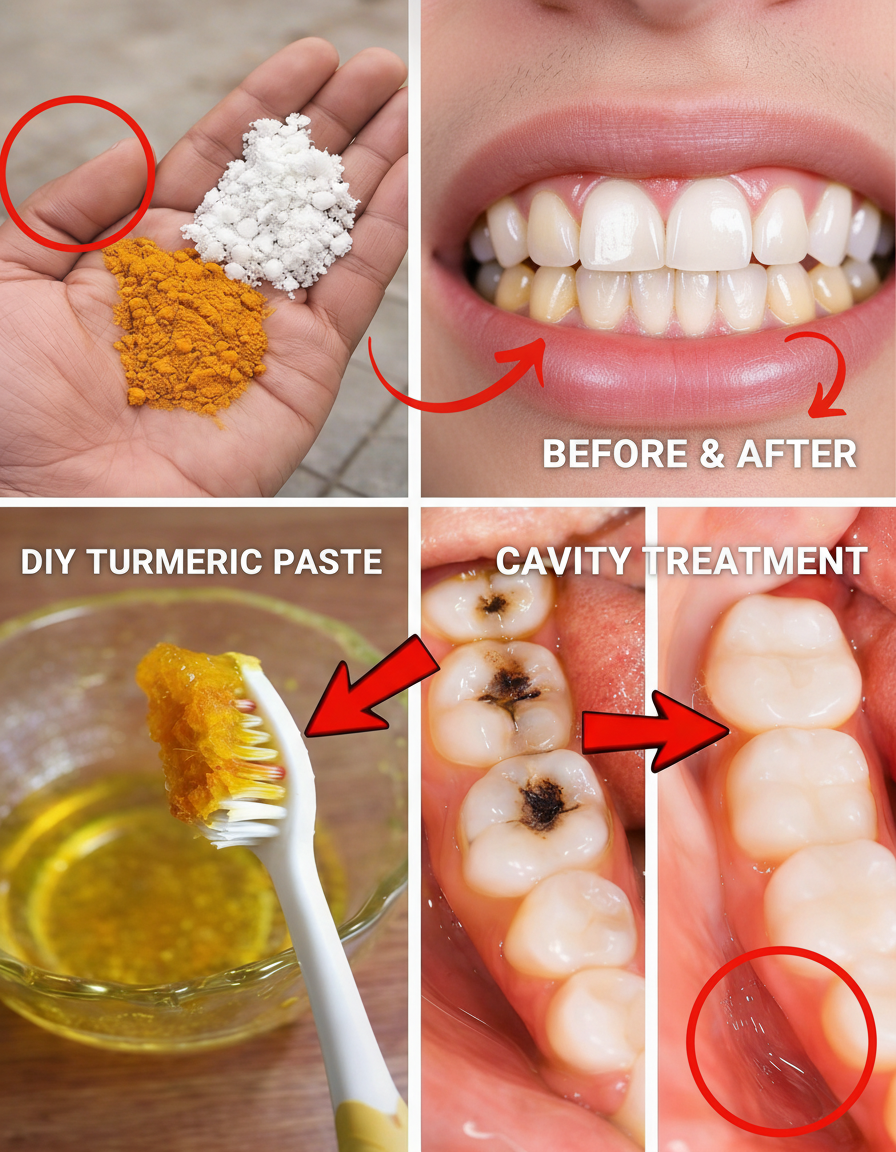
Enthusiasts frequently blend turmeric with mild ingredients such as coconut oil or a hint of honey, aiming to integrate these purported benefits into their daily oral care regimen. Online platforms are often saturated with visually compelling images juxtaposing vibrant yellow turmeric powder with dazzling, seemingly whitened smiles, thereby cultivating an expectation of dramatic transformations. Yet, these viral posts seldom clarify that any observed enhancements in oral cleanliness or appearance are likely attributable to improved general hygiene practices rather than the direct whitening action of the spice itself.
What Scientific Evidence Reveals About Turmeric and Dental Whitening
Despite its popularity, comprehensive scientific reviews, including those conducted by esteemed dental authorities like the American Dental Association (ADA), consistently report a scarcity of credible evidence supporting turmeric’s ability to whiten teeth. The vast majority of assertions regarding its tooth-brightening effects originate from anecdotal accounts and personal testimonials, rather than rigorous, large-scale clinical trials specifically designed to assess changes in tooth color.
Laboratory-based research examining various natural products on tooth enamel has frequently concluded that widely promoted remedies, including turmeric, do not yield significant whitening outcomes. Intriguingly, one particular investigation even observed that consistent application of turmeric-based formulations occasionally resulted in a temporary yellow discoloration on tooth surfaces, rather than achieving any lightening effect.
Beyond Whitening: Curcumin’s Potential in Oral Health
However, the narrative shifts when considering other facets of oral care. Curcumin, the active compound in turmeric, demonstrates greater promise in areas distinct from aesthetic whitening. Numerous studies have explored its utility in mitigating gum inflammation, also known as gingivitis, and in aiding plaque management when incorporated into specialized gels or mouthwashes. In preliminary, smaller-scale research, these benefits have appeared comparable to certain conventional oral care solutions, although further high-quality, extensive studies are essential to solidify these findings.
Therefore, while turmeric’s gentle properties might contribute to a fresher mouth feel and soothed gums as part of an overarching oral hygiene regimen, it is crucial to understand that it does not possess the capacity to fundamentally alter the structure of tooth enamel or eliminate deep-seated stains in the manner that professional dental whitening treatments achieve.
Genuine Oral Health Advantages Turmeric May Offer
For individuals inclined towards holistic or natural health solutions, turmeric could indeed provide subtle yet beneficial support for oral well-being in several key aspects:
- Assisting in Bacterial Control: The active compounds within turmeric may help inhibit the growth of certain bacteria responsible for plaque formation, thereby fostering a healthier and cleaner oral environment.
- Soothing Minor Gum Discomfort: Thanks to its notable anti-inflammatory properties, turmeric can potentially alleviate symptoms of mild gum irritation, such as swelling or sensitivity, when applied judiciously.
- Enhancing Overall Oral Freshness: When integrated thoughtfully alongside established good oral hygiene practices, turmeric might contribute to a feeling of revitalization and freshness in the mouth.
It’s important to note that these potential advantages are typically observed with regular, gentle incorporation into your routine, rather than through aggressive or infrequent use.
What Turmeric Cannot Achieve for Your Teeth and Smile
To manage expectations and prevent potential disappointment, it’s vital to clarify the limitations of turmeric in dental care:
- It lacks the capability to rebuild or structurally strengthen tooth enamel.
- It cannot repair cavities or resolve any underlying dental problems or diseases.
- It will not produce immediate or dramatic tooth whitening results, unlike professional dental procedures.
- It is not a substitute for fundamental daily oral hygiene practices, including regular brushing, flossing, or routine visits to your dentist.
Placing exclusive reliance on turmeric for significant enhancements to your smile fundamentally disregards the well-established and scientifically proven cornerstones of effective oral hygiene.
Potential Drawbacks: Why Exercising Caution is Prudent
While turmeric boasts natural origins, its application in oral care is not without potential risks that warrant careful consideration:
- Enamel Erosion Risk: The texture of turmeric powder can vary from finely milled to mildly gritty. Vigorously scrubbing this powder directly onto tooth surfaces—particularly when combined with other abrasive agents like salt or baking soda, as often suggested in DIY recipes—carries a significant risk. This abrasive action can gradually erode your tooth enamel over time. Given that tooth enamel does not naturally regenerate, its preservation is paramount for lifelong dental health and protection against sensitivity and decay.
- Temporary Discoloration: Turmeric’s vibrant and intense natural pigment is renowned for its staining capabilities. While typically temporary, direct contact can cause a yellow or orange tint to your gums, tongue, and even the surface of your teeth, which can be aesthetically unappealing until thoroughly brushed away.
Prioritizing the long-term health and integrity of your teeth should always guide your choices in oral care.