 By admin
 The Unexpected Power of Minty Toothpaste in Natural Home Pest Control
Dealing with unwelcome guests like mice, cockroaches, and ants in your living space can be incredibly frustrating. These common household pests often infiltrate kitchens, pantries, and discreet areas, leaving behind tell-tale signs such as droppings, gnawed food items, and a persistent sense of discomfort that compromises daily routines and raises hygiene concerns. Many individuals resort to chemical sprays or toxic baits, only to encounter recurring infestations, escalating costs, and worries about the safety of their families and pets.
But what if a familiar item already found in your bathroom could serve as a valuable assistant in your pest management efforts? This article delves into how mint-flavored toothpaste, particularly its distinct aroma, can be integrated into eco-friendly strategies for discouraging pests. While not a standalone remedy, numerous homeowners have reported success using it as part of a broader preventative approach. Continue reading to discover practical advice for safely and effectively incorporating this everyday product into your home defense.
Why Pests Seek Refuge in Our Homes
Pests are primarily driven by three fundamental needs: sustenance, hydration, and refuge. Rodents like mice possess an uncanny ability to squeeze through incredibly small openings, sometimes as tiny as a dime. Cockroaches thrive in warm, humid environments, while ants meticulously follow pheromone trails to uncover sweet or greasy food spills. Once they gain entry, these invaders can multiply rapidly, quickly transforming a minor sighting into a significant problem. Traditional pest control often involves potent chemicals, but a growing interest in gentler, non-toxic alternatives has led many to experiment with common household items. Both scientific studies and anecdotal accounts suggest that strong scents can effectively disorient pests’ navigation and foraging behaviors.
The Peppermint Effect: How Mint Influences Pest Behavior
Peppermint holds a prominent position in discussions about natural pest deterrents, largely due to its high menthol content. Research on essential oils indicates that powerful herbal fragrances, such as peppermint, can disrupt the intricate sensory systems of insects and rodents, making certain areas highly unappealing to them. Toothpaste, especially varieties with a mint flavor, often contains peppermint oil or similar aromatic compounds, sometimes alongside other ingredients like baking soda. Although the concentration of these active ingredients is lower compared to pure essential oils, the familiar minty aroma is what captures attention within the realm of home remedies. Here’s why this matters:
- Rodents possess extremely sensitive olfactory senses and instinctively shy away from overpowering, strong smells.
- Many crawling insects depend on chemical trails for navigation; a disruptive scent can temporarily confuse or deter them from their path.
- The paste’s thick consistency might also create minor physical barriers when applied in small, strategic locations.
However, it’s crucial to remember a key point: toothpaste is not formulated as a dedicated pest control product, and its effectiveness can vary significantly based on factors such as the specific type of pest, the severity of the infestation, and the consistency of application.
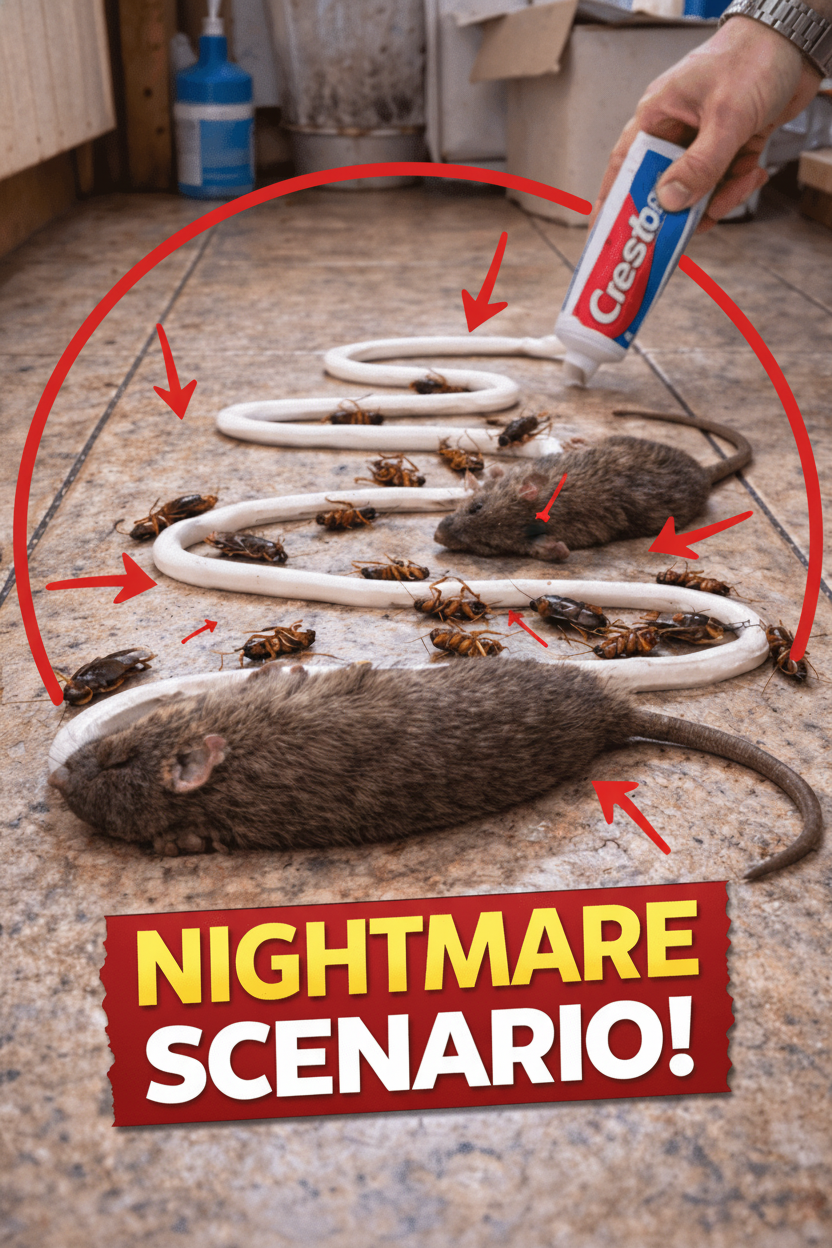
Reality vs. Myth: What Toothpaste Can and Cannot Do for Pests
While online anecdotes frequently suggest that toothpaste can “eliminate” pests, a closer examination of the evidence reveals a more nuanced picture. For mice and rats, the minty aroma may discourage them from exploring treated areas, similar to the suggested use of pure peppermint oil. Nevertheless, rodents are highly adaptable, and toothpaste alone is rarely sufficient to resolve an established infestation. In the case of cockroaches, some toothpastes contain trace amounts of ingredients like boric acid, but these levels are far too low to have any meaningful impact. A strong mint scent might induce minor avoidance. For ants, the strong aroma and sticky texture can temporarily disrupt their established trails, particularly when combined with diligent cleaning practices. Experts consistently emphasize that while these approaches offer low-risk experimentation, they are most effective when integrated with comprehensive prevention strategies, such as sealing potential entry points and consistently removing food sources.
Practical Steps: Incorporating Toothpaste into Your Pest Control Strategy
If you’re interested in trying this popular household hack, prioritize safe and non-toxic application. Always remember that prevention is paramount, and for severe pest problems, professional assistance should be considered.
- Choose the right toothpaste — Opt for varieties with a strong mint flavor; avoid gel formulas, which tend to dry out too quickly.
- Identify problem areas — Look for common entry points, along baseboards, under sinks, behind appliances, or anywhere you’ve observed pest activity.
- Apply sparingly — Squeeze small dots or thin lines into corners, cracks, or along known pest trails. Avoid applying large globs, which could attract dirt.
- Reapply regularly — Check and refresh your applications every 2-3 days, as the mint scent will naturally dissipate over time.
- Combine with other habits — Immediately clean up spills, store all food items in airtight containers, and minimize clutter to reduce attractants.
Toothpaste vs. Other Natural Pest Solutions: A Quick Look
- Toothpaste: Convenient, readily available in most homes, offers a mild scent-based disruption.
- Pure Peppermint Oil: Features a much stronger aroma, often more effective for active repelling (ensure proper dilution).
- Baking Soda + Sugar Bait: Specifically targets ants more directly (use with caution, especially around pets).