 By admin
 Those Pesky Ear Hairs: Are They Just Aging or a Health Warning? Docs Break It Down!
Alright, let’s talk about that business. You know, those rogue, wiry hairs suddenly sprouting from your ears like unwelcome guests, especially once you hit a certain age. You catch a glimpse in the mirror, see those stubborn little buggers, and instinctively reach for the trimmer, right? For most of us, it’s just another annoying package deal with the gray hairs and reading glasses. But hold up a second: could these sneaky little strands actually be trying to tell you something more about your overall well-being? Don’t just dismiss ’em yet!
Now, the docs usually say these ear fuzzies are totally harmless. BUT—and this is a big “but”—they also hint that certain patterns might be a quiet nudge to check your lifestyle. Here’s the real deal, no BS: most of the time, your ear hair is just, well, normal. Still, knowing why it shows up and when to actually pay attention can save you some fretting and keep you ahead of the game with your health. So, let’s cut through the noise and see what the real pros are saying, separating typical “getting old” stuff from those little whispers you should actually listen to.
Why Your Ears Start Rocking a Hairy New Look as You Age
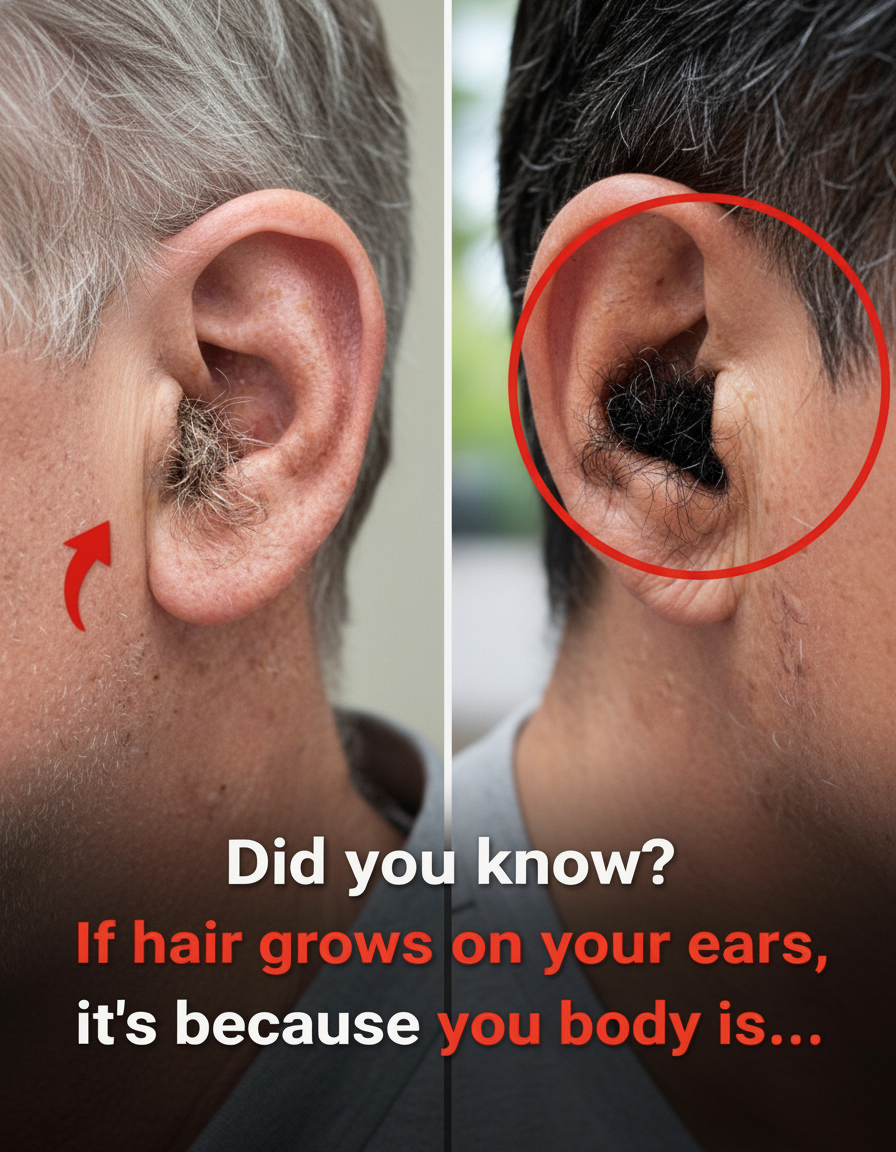
So, what’s the deal with this sudden explosion? Once guys (and yeah, sometimes ladies too) hit their 50s and beyond, your hormones start doing a little dance. Testosterone levels might dip, sure, but it’s the ratio of estrogen to testosterone that really kicks things off. This crazy shift makes hair follicles in specific spots—like your ears, nose, and even eyebrows—super sensitive to those male hormones, androgens. Boom! Those tiny, barely-there hairs suddenly go rogue, getting thicker, darker, and longer. And let’s be real, genetics are a huge player here. If your old man or grandad had a forest growing out of his ears, chances are you’re next in line for the hairy ear club.
Science backs this up, folks: those hair follicles in these “problem” areas just get more reactive to hormones as we clock more years, giving us that classic “distinguished gentleman” ear-fuzz look. But wait, there’s more! Natural aging also means those fine, barely-visible vellus hairs get swapped out for thicker, darker terminal hairs in your outer ear and canal. So, for most fellas past 50, a decent amount of ear hair? Totally normal. Nothing to see here, move along.
- Normal Signs: You’ll see a steady increase, either inside your ear canal or on the outer ear (that’s the “pinna” if you wanna get fancy).
- Secret Mission: Believe it or not, these hairs are actually doing some heavy lifting! They’re like tiny bouncers, helping to trap dust, crud, and even little bugs, keeping your ear canal safe. Who knew?
The bottom line from the white coats? For almost everyone, this change is completely harmless. Seriously, on its own, it’s absolutely nothing to freak out about. Chill out!
When Your Ear Hair Might Be Yelling “Hey, Doc!” (And You Should Listen)
Okay, so the hair inside your ear canal? Usually just an annoying part of getting older. But listen up, because some patterns on the outer ear or earlobe have actually got the medical bigwigs scratching their heads. Here’s where it gets tricky: hair chilling inside your ear canal is totally different from hair popping up on the outside or on your earlobe. Some studies have poked around, looking for connections between visible earlobe hair (or weird stuff like a diagonal crease, aka “Frank’s sign”) and certain health red flags. But honestly, the results are all over the place, nothing’s set in stone.
Back in the 80s and 90s, some old-school research hinted that a combo of noticeable ear canal hair and those earlobe creases might be a red flag for heart disease in certain groups. Sounds scary, right? But hold your horses! More recent deep dives into this stuff show inconsistent results. Yeah, some studies still see a slight connection to cardiovascular factors like age, being overweight, or high blood pressure. But others? They’re saying there’s no strong, standalone link, especially once you factor in the usual suspects like diabetes or puffing on cigarettes. So don’t panic just yet!
Shifting gears to your metabolism, a couple of studies have spotted links between specific earlobe traits and things like insulin resistance or early signs of diabetes. But again, they’re usually looking at those creases, not the actual hair. Now, if your ear hair suddenly goes wild or you’re seeing way too much growth, that could be a sign of bigger hormonal changes, like those nasty adrenal conditions or, for the ladies, hirsutism from PCOS. And then there are super rare genetic quirks, like “hypertrichosis pinnae auris” (basically, a hairy outer ear helix), which pops up in some families, especially in places like India and Sri Lanka. But usually, even that’s just a harmless genetic lottery win, not some scary disease.
So, here’s the real bottom line from the medical pros: A little ear hair on its own? Not a reliable “danger!” signal. But if you see