 By admin
 Alright, let’s get real about something nobody wants to talk about: toenail fungus. Also known by its fancy name, onychomycosis, this nasty business kicks off when those sneaky fungi—usually the dermatophyte kind—decide to crash your nail bed or plate. These unwelcome invaders absolutely *love* to set up shop in warm, damp places. Think your sweaty shoes or those public showers where you bravely go barefoot. Sounds charming, right? Not so much.
- Yellowish or brownish discoloration: Your nail starts looking like it’s seen better days, taking on an unhealthy tint.
- Thickening of the nail: It gets chunky, almost like a piece of old armor.
- Brittleness or crumbling edges: Your nail becomes fragile, breaking and flaking away at the slightest touch.
- Separation from the nail bed: The nail actually starts lifting off your toe. Gross.
So, why you? Well, factors like just getting older (thanks, genetics!), poor circulation, diabetes, or constantly exposing your feet to damp conditions can make you a prime target. While this fungal infection might not scream in pain at first, don’t you dare ignore it. Trust us, it’ll only get worse, uglier, and way more stubborn if you let it fester. You don’t want that kind of drama on your toes, do you?
The Natural Appeal of Cloves in Wellness Routines
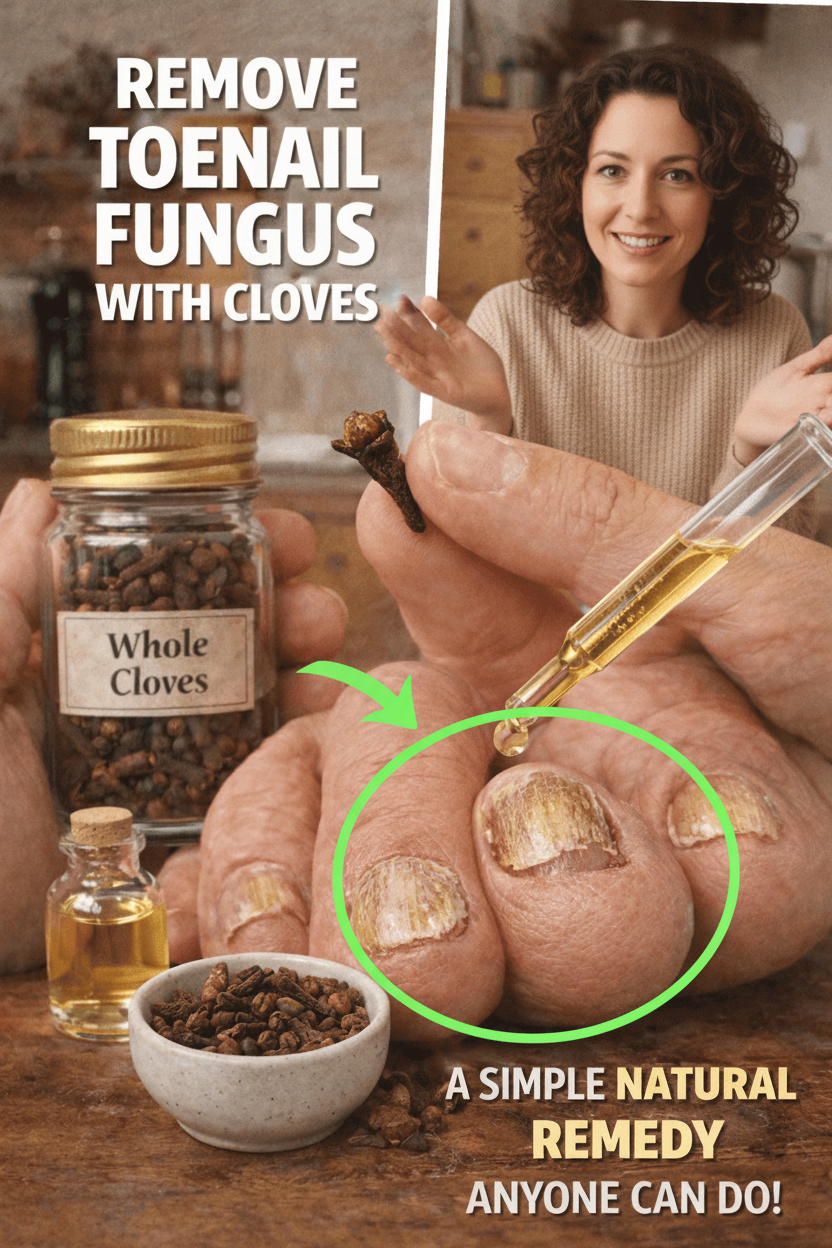
Now, before you panic and consider hiding your feet forever, let’s talk about an old-school hero: cloves. These little powerhouses (Syzygium aromaticum for the science buffs) have been kicking around in traditional medicine for centuries, praised for their amazing aroma and even more amazing properties. The real MVP here is eugenol, the main compound that makes up a big chunk of clove essential oil and gives it its superstar status in natural health circles. Scientists have been poking around, exploring just how potent clove essential oil is against fungi in the lab. And guess what? Studies have shown that clove oil and its main component, eugenol, can seriously mess with the growth of various fungi, including some of the dermatophytes and Candida species that cause trouble, all in a test tube. One study back in 2007 even highlighted its strong inhibitory effects against certain dermatophytic fungi, whether applied directly or as a vapor. Now, hold your horses—these findings are from lab work, not massive human trials specifically for toenail fungus. But still, it’s got everyone buzzing about how this humble spice could be a secret weapon in your nail care habits. And that’s just the beginning; clove oil’s potential goes way beyond just stopping growth.
How Clove Oil Might Support Nail Health
The real magic of clove oil, particularly eugenol, is its ability to disrupt fungal cell membranes in controlled studies. Think of it like a wrecking ball for those fungal invaders, potentially reducing ergosterol (a crucial part of fungal membranes) and stopping those nasty spores from germinating. Smart, right? Many folks who are into natural wellness swear by diluting clove oil for topical use, mixing it with trusty carrier oils like coconut or olive oil to create a gentler application. This approach isn’t just for kicks; it’s a common practice in the wider world of essential oil use for overall foot and nail support. Important note: Seriously, don’t be a hero. Essential oils are potent stuff, and you must dilute them to avoid skin irritation. Always do a patch test first – your skin will thank you.
Step-by-Step Guide: A Simple Clove-Based Nail Soak Routine
Ready to fight back? Many people are bringing cloves into their easy, at-home rituals. Here’s a straightforward, no-nonsense method to try as part of your regular nail care routine:
- Gather ingredients: You’ll need whole cloves or a high-quality clove essential oil, a good carrier oil (like trusty coconut or olive oil), some warm water, and a small bowl.
- Prepare a basic infusion: Steep about 10-15 whole cloves in hot water for 10-15 minutes. This creates a mild clove tea. Let it cool down a bit—you don’t want to scald your feet!
- Soak your feet: Submerge your affected feet for 15-20 minutes daily. After your soak, pat them thoroughly dry. We mean *thoroughly*—remember, fungi love moisture!
- Apply diluted oil (optional advanced step): Mix 2-3 drops of clove essential oil with 1 tablespoon of your chosen carrier oil. Gently massage this potent blend onto your clean, dry nails and the skin around them.
- Maintain consistency: This isn’t a one-and-done deal. Repeat daily, keep those nails trimmed regularly, and ensure your feet stay dry and get plenty of air.
This routine is all about giving your nails gentle support and nailing down good hygiene—which, let’s face it, is the foundation of any solid nail care plan. Here are some extra habits to pair with your clove ritual:
- Change socks daily and pick breathable materials. No swamp feet!
- Wear flip-flops in public showers or pools. Seriously, protect your feet from creepy crawlies.
- Keep nails short and filed smooth. Less surface area for fungus to thrive.
- Avoid sharing nail tools. That’s just asking for trouble.
- Moisturize cuticles to prevent cracks. Healthy skin is a barrier against invaders.
Comparing Clove Oil to Other Natural Options
When it comes to natural solutions, people often explore a whole lineup of options. Here’s a quick comparison of some popular natural heavy hitters, so you know what you’re dealing with:
- Clove oil: Our star player! Known for strong, lab-tested antifungal properties thanks to eugenol. It’s aromatic and gives a warming sensation.
- Tea tree oil: Another popular contender, frequently studied for stopping dermatophytes dead in their tracks. It’s got a fresh scent but can sometimes be a bit drying.
- Coconut oil: A fantastic carrier oil with some mild antimicrobial effects of its own. Plus, it’s super moisturizing.
- Vinegar soaks: The acidic environment might discourage fungal growth. It’s cheap, but be warned—it’s got a strong, distinctive odor.
They all have their place in the fight, but when it comes to raw potency against certain fungi, clove oil really stands out in the studies. It’s a serious contender for your natural antifungal arsenal.
What Does the Science Say Overall?
Alright, let’s talk brass tacks. Laboratory research consistently throws down the gauntlet, proving that clove essential oil can inhibit fungal growth across various species. For instance:
- Studies clearly show eugenol actively damages fungal cell structures. It literally messes with their insides.
- Even in vapor form, clove oil exhibits fungistatic effects, meaning it stops those fungi from growing.
- Direct contact often shows even stronger activity. Talk about a direct hit!
However, and this is important, most of this compelling evidence comes from in vitro tests (that’s lab talk) or animal models. We’re not talking about extensive, large-scale clinical trials on human toenail fungus just yet. Results can vary wildly, and what works for one person might not be a magic bullet for another. So, while cloves are an incredibly intriguing option for those seeking powerful natural complements to professional advice, let’s be clear: it’s a fantastic wingman, but not a standalone solution to cure your fungal infection all on its own. Always consult with a healthcare professional for severe cases.
Potential Precautions and Tips
Listen up, this is crucial: always dilute essential oils. Seriously, do not skip this step! Undiluted clove oil is potent and can cause irritation or even burns on your skin. That’s a pain you definitely don’t need. Also, if you’ve got any open wounds on your feet or known allergies to cloves or essential oils, just steer clear. Better safe than sorry, right?
There you have it—the lowdown on that pesky toenail fungus and how clove oil might just be the natural ally you need. Your feet deserve better than to host an unwelcome fungal party! Keep them clean, dry, and show them some love. Want more straight talk on natural remedies and healthy living? Stick around dogpjs.com and explore our other articles. We’ve got plenty more insights waiting for you!