 By admin
 Ever had that moment? You cough, and out pops a tiny, foul-smelling white chunk? Or maybe you just feel like your breath is perpetually stuck in a dumpster fire? Yeah, *those* are tonsil stones — those small, smelly white lumps that can make you wanna crawl into a hole. They’re common, they’re annoying, and while they usually won’t kill ya, their nasty odor can turn any social situation into an awkward nightmare. Loads of folks are walking around with these tiny terrors and don’t even know it. But once you spot ’em? It’s game on. Time to fight back!
In this no-nonsense guide, we’re gonna pull back the curtain on exactly what these tonsilloliths are, why they pick your throat to set up shop, why they reek so bad, and most importantly, how to manage or blast them outta there. Don’t sweat it — there’s a light at the end of this stinky tunnel! By the time you’re done reading, you’ll be armed with all the intel you need to understand tonsil stones and keep your mouth smelling fresh, not funky.
What Are Tonsil Stones, Anyway?
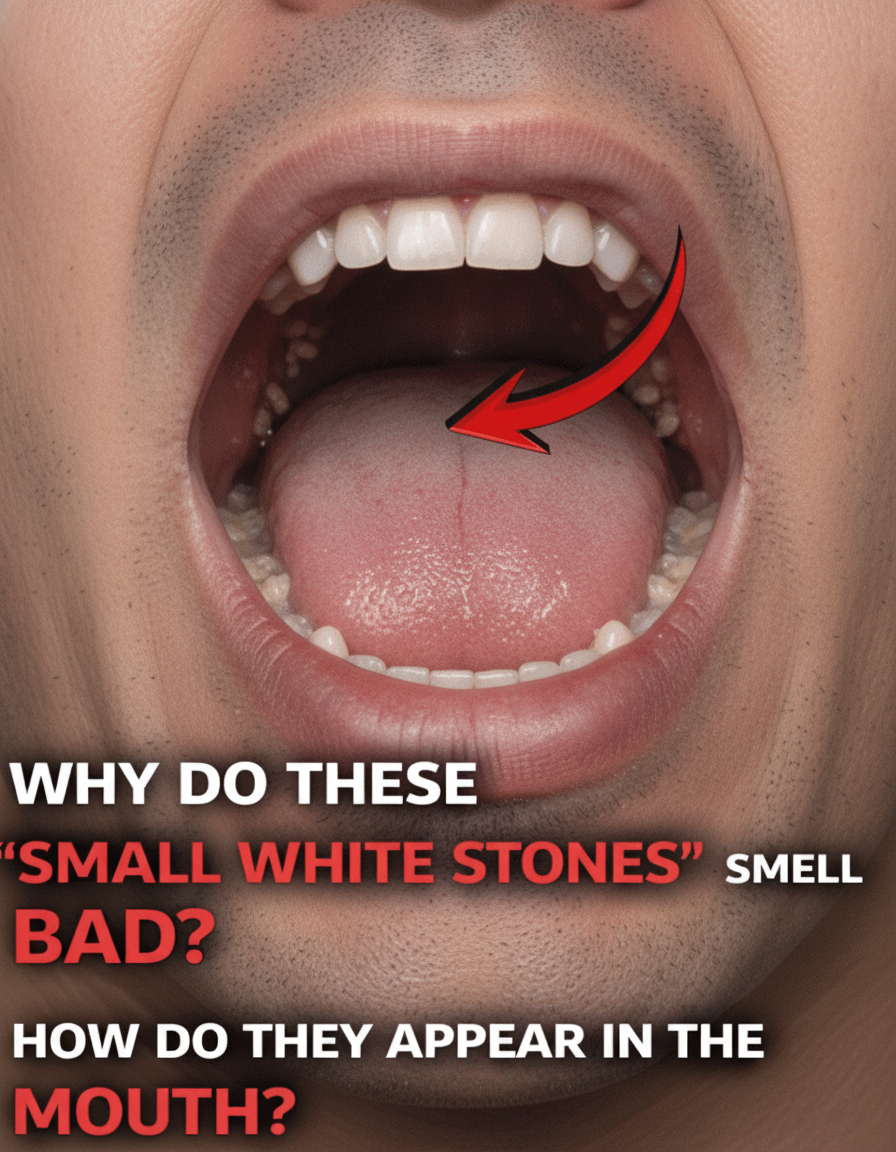
Alright, let’s get real. Tonsil stones (fancy name: tonsilloliths) are basically just tiny, hard, pebble-like lumps chilling in your tonsils at the back of your throat. Think of them as little calcified nuggets of nastiness. Your tonsils? They’re like your body’s bouncers, helping fight off infections. But they’re not perfectly smooth; they’ve got these natural folds and little hidey-holes called crypts. And guess what gets trapped in there? All sorts of leftover gunk: food bits, dead skin cells, bacteria having a party, and mucus. Over time, this cocktail of crud hardens up and calcifies, turning into those lovely tonsil stones you just coughed up. They can be as tiny as a grain of rice or big as a pea. Some are sneaky and you’ll never notice ’em, but others can cause real discomfort or just be plain gross when you catch a glimpse in the mirror or hack one up.
Why Do These Bad Boys Form?
So, why do these tonsil stones decide to crash your throat party? It all boils down to that debris getting stuck in your tonsil crypts. Those little pockets are like magnets for food particles, mucus, bacteria, and dead cells. If your tonsils have particularly deep crypts (lucky you!), you’re basically rolling out the red carpet for these stones, because that trapped gunk is even harder to clear out. And over time, minerals — especially calcium — start to build up around this debris, turning it into those solid, rock-hard stones. But wait, there’s more! Certain things can seriously up your chances of developing these unwelcome guests:
- Frequent tonsil infections (tonsillitis): If your tonsils are always inflamed, they’re a prime breeding ground.
- Poor oral hygiene: Skimping on brushing and flossing? You’re basically inviting bacteria to a buffet.
- Chronic sinus issues: All that post-nasal drip can feed the beast.
- Dehydration: Not drinking enough water means less saliva to wash away the crud.
And yeah, if you’ve got bigger or just plain weird-shaped tonsils, you’re more prone to these stones too. The good news? While they’re a pain, tonsil stones are usually not dangerous. Phew!
Why Do Tonsil Stones Smell Like a Dumpster Fire?
Okay, let’s talk about the elephant in the room — that utterly rank smell. Tonsil stones are infamous for their foul odor, often described as rotten eggs or even cheesy. Seriously, it’s enough to make you gag. This horrifying stench comes from the armies of bacteria that are absolutely thriving on all that trapped debris inside the stones. We’re talking about anaerobic bacteria here — the kind that doesn’t need oxygen to party — and they’re busy breaking down proteins in that gunk. The result? They release something called volatile sulfur compounds (VSCs). Sound familiar? That’s because these are the EXACT same gases responsible for straight-up bad breath, or halitosis. As these tonsil stones just sit there, chilling in the warm, moist environment of your tonsils, these bacteria multiply like crazy, forming a nasty biofilm on the stone’s surface. The more bacteria, the worse the stench. And don’t be fooled — even tiny stones can unleash a noticeable wave of bad breath because that smell gets trapped and then BAM! — released every time you speak, breathe, or cough. Gross, right?
Symptoms Beyond the Stones: What Else to Watch For
Listen, sometimes these tonsil stones are silent assassins; you might not even know they’re there. But when they do decide to make their presence known, they can bring along some seriously annoying symptoms. If you’re experiencing any of these, those little stink bombs might be the culprit:
- Persistent bad breath (halitosis) that just won’t quit, no matter how much you brush.
- A weird metallic taste lingering in your mouth.
- That annoying feeling of something stuck in your throat — doctors call it globus sensation, but you just call it irritating.
- A mild sore throat or a general feeling of irritation in your throat.
- Occasional ear pain, because your throat and ear are connected like a twisted family tree.
- A chronic cough that just won’t go away, all thanks to the irritation in your throat.
Now, if you’ve got bigger tonsil stones, they might cause more discomfort, but don’t panic. Serious complications from these things are thankfully pretty rare.
How to Fight Back: Managing or Removing Tonsil Stones at Home
Good news, warrior! Most tonsil stones don’t need a doctor’s intervention. A lot of the time, they’ll just dislodge themselves if you give them a little nudge. If you’re ready to tackle these little invaders head-on, here are some safe, at-home treatments to get rid of tonsil stones and reclaim your fresh breath:
- Gargle with Warm Salt Water
- Cough or Clear Your Throat
- Use a Water Flosser
- Gentle Removal
- Maintain Good Oral Hygiene
- Stay Hydrated
Swishing warm salt water around your mouth several times a day is a simple yet powerful move. It helps loosen those stubborn small stones and cuts down on the bacteria buildup, making your mouth a less welcoming place for future stink bombs.
Sometimes, all it takes is a good, strong cough or clearing your throat with some gusto. This can often be enough to dislodge small stones, especially if they’re not deeply embedded in your tonsils. Give it a try — you might be surprised!
Got a water flosser? It’s not just for your teeth! A low-pressure water flosser can be a secret weapon to gently flush out your tonsils and blast debris from those pesky crypts. Just be super careful and gentle — you don’t want to hurt yourself.
If you can clearly see the tonsil stones and they look like they’re practically begging to come out, you can try using a clean cotton swab to gently nudge them. But hear this: DO NOT force it. Seriously, never risk injury by pushing too hard or using anything sharp. Your throat is delicate!
This one’s a no-brainer but often overlooked for tonsil stone prevention. Stay on top of your game: brush your teeth twice a day, floss like your breath depends on it, scrape your tongue (where a ton of bacteria hangs out!), and use an alcohol-free mouthwash to wage war on bacteria without drying out your mouth.
Drinking plenty of water isn’t just good for your body; it’s a warrior against tonsil stones! Keeping your mouth moist helps continuously wash away food particles and bacteria, making it harder for those little stinkers to form in the first place.
When It’s Time to Call in the Pros: See a Doctor
While most tonsil stones are a battle you can win at home, there are times when you need to bring in the big guns. You should absolutely consult a healthcare provider (like an ENT specialist — that’s an Ear, Nose, and Throat doctor) if:
- Your tonsil stones are massive, causing you serious pain, or just keep coming back no matter what you do.
- You’re constantly battling frequent tonsil infections or a never-ending chronic sore throat.
Don’t let these irritating little chunks mess with your life or your confidence. Take action, stay fresh, and keep those tonsil stones at bay! We hope this guide has given you the straight talk you needed. For more awesome health tips and guides, keep exploring dogpjs.com — your go-to source for a healthier, happier you!