 By admin
 Many individuals navigate their daily routines feeling a persistent tiredness or occasional discomfort, often dismissing these sensations as mere stress or the inevitable march of aging. What often goes unrecognized is that their liver might be silently accumulating excess fat – a condition now known as metabolic dysfunction-associated steatotic liver disease (MASLD), previously referred to as non-alcoholic fatty liver disease. This prevalent issue, affecting a growing global population, frequently develops without overt symptoms, driven by factors like dietary habits, body weight, and overall metabolic health.
The challenge lies in the subtle nature of these early indicators, which are easily overlooked. However, cultivating an awareness of your body’s signals can be instrumental in safeguarding liver health before the condition advances. This comprehensive guide will delve into the common signs associated with fatty liver buildup, drawing insights from respected medical institutions such as Mayo Clinic and Cleveland Clinic. We will also provide actionable steps you can integrate into your lifestyle starting today to support optimal liver function. Stay with us until the end for some surprising everyday habits that research suggests can contribute significantly to better liver health.
Understanding Fatty Liver Buildup: The Silent Threat
Fatty liver disease manifests when an excessive amount of fat accumulates within the liver cells. In the vast majority of cases, particularly with MASLD, this buildup is intrinsically linked to metabolic dysfunctions rather than alcohol consumption. Scientific studies consistently highlight the increasing prevalence of this condition, often correlating with obesity, insulin resistance, elevated blood sugar levels, or high lipid profiles.
The encouraging news is that in its incipient stages, the liver possesses a remarkable capacity for regeneration and can respond positively to timely lifestyle interventions. Nevertheless, the tricky aspect is that most individuals experience no discernible symptoms initially, earning MASLD its reputation as a “silent” disease. When symptoms do emerge, they tend to be mild and non-specific, which explains why they are frequently dismissed or attributed to other causes.
Early Warning Signs That May Suggest Fatty Liver Buildup
Recognizing the subtle cues your body sends is crucial. Here are some of the most commonly reported indicators, as highlighted by medical sources including the Mayo Clinic and NHS:
- Unexplained, Persistent Fatigue or Low Energy: You might feel profoundly drained even after a full night’s sleep, making routine daily tasks feel unusually arduous. This isn’t just regular tiredness; it’s a deep-seated lack of vitality.
- General Malaise and Feeling Unwell: A pervasive, vague sense of not feeling quite right, or a lingering weakness that persists without any clear identifiable cause. It’s a subtle but constant backdrop of discomfort.
- Subtle Discomfort in the Upper Right Abdomen: This could manifest as a dull ache, a feeling of fullness, or mild pressure beneath the ribs on your right side, precisely where your liver is situated. These initial sensations are often easy to disregard.
These subtle indicators often appear first and can be easily brushed aside. However, they are not the only signals to be aware of.
Signs That May Appear as the Condition Advances
Should fatty liver disease progress to stages involving more significant inflammation or scarring (a condition sometimes referred to as MASH or advanced steatohepatitis), additional and more pronounced changes can become apparent. Research from institutions like Johns Hopkins and Cleveland Clinic underscores the importance of recognizing these:
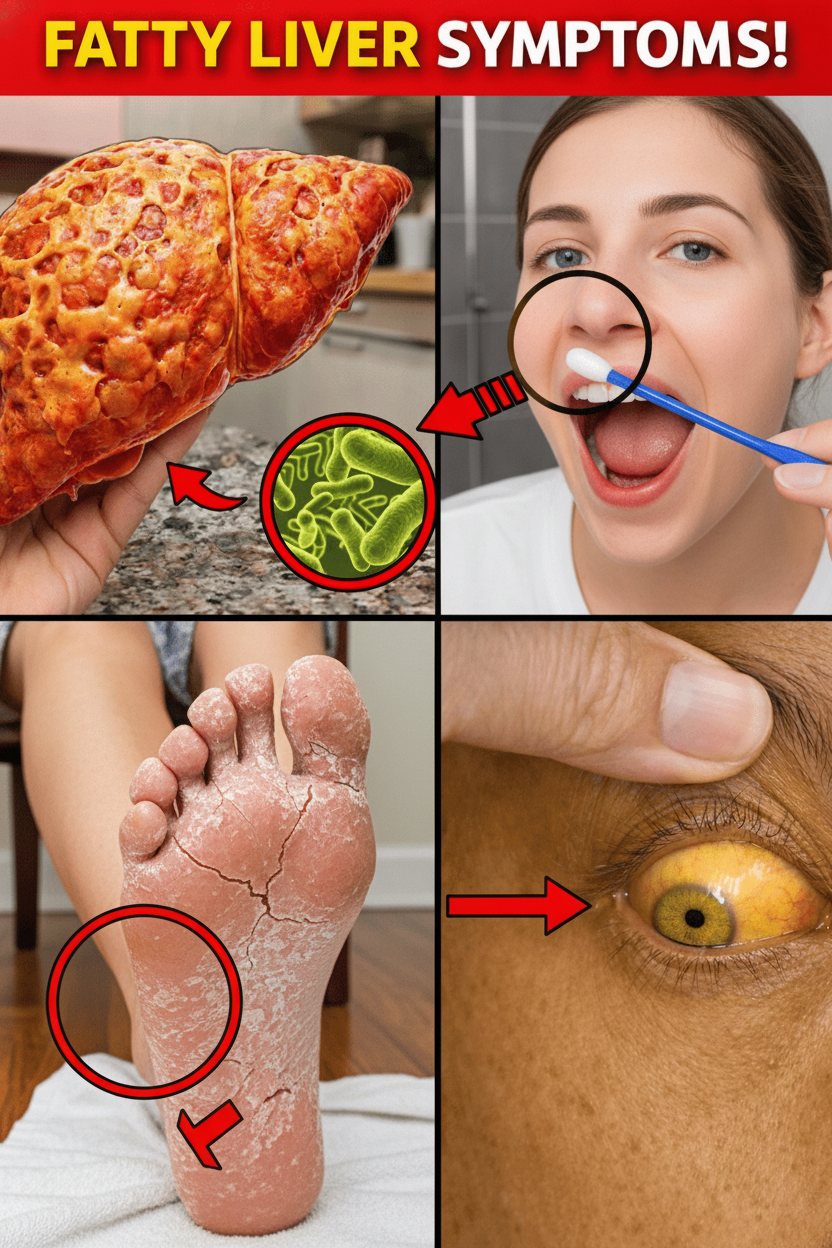
- Persistent, Unexplained Itchy Skin: Experiencing constant itching across your body without any visible rash or obvious dermatological cause.
- Swelling in the Lower Extremities (Legs, Ankles, or Feet): Fluid retention leading to noticeable puffiness, particularly evident towards the end of the day or after prolonged standing.
- Jaundice: Yellowing of Skin and Eyes: A distinct yellowish tint to your skin or the whites of your eyes, which signals an accumulation of bilirubin when the liver’s processing capabilities are severely strained.
- Abdominal Swelling (Ascites): A noticeable distension or swelling in the belly area due to fluid buildup within the abdominal cavity.
- Changes in Urine or Stool Color: Urine that appears unusually dark or stools that are noticeably pale, indicating a disruption in how the liver processes waste products.
- Easy Bruising or Bleeding: An increased propensity to bruise easily or experience prolonged bleeding, reflecting the liver’s compromised role in producing essential blood clotting factors.
- Spider Angiomas (Spider-Like Blood Vessels): The appearance of small, visible, spider-web-like patterns of blood vessels just beneath the skin’s surface, often on the chest or face.
- Loss of Appetite or Unexplained Weight Changes: Significant shifts in appetite or body weight that do not correlate with your usual eating habits or activity levels.
These more advanced symptoms are less common in the general population, and their appearance warrants prompt medical evaluation.
Understanding the ‘Why’: The Science Behind These Symptoms
The liver is a powerhouse organ, performing over 500 vital functions, including filtering toxins, processing nutrients, and regulating metabolism. When it becomes overloaded with fat, its efficiency is severely hampered. This can lead to a cascade of issues, including toxin accumulation, systemic inflammation, and imbalances in fluid regulation.
For example, jaundice occurs because a compromised liver struggles to effectively clear bilirubin, a natural byproduct of red blood cell breakdown. Similarly, swelling in the feet or abdomen often arises from conditions like portal hypertension (elevated blood pressure in the veins leading to the liver) or a reduction in the liver’s production of vital proteins like albumin, which helps maintain fluid balance in the body. Understanding these underlying physiological mechanisms helps us perceive these symptoms not as random annoyances, but as critical signals from an organ in distress.
Proactive Steps to Support Your Liver Health
While no single habit offers a guaranteed shield against liver issues, a combination of evidence-based lifestyle approaches can profoundly impact your liver’s well-being. Here’s a clear, actionable guide to get you started:
- Prioritize Gradual Weight Management: Even a modest reduction of 5-10% in body weight has been consistently linked in studies to significant improvements in liver fat levels and overall liver health. Focus on sustainable, long-term changes rather than rapid, drastic measures.
- Embrace a Nutrient-Rich, Balanced Diet: Shift your focus towards whole, unprocessed foods. Emphasize a diet rich in vegetables, fruits, lean proteins (like fish and poultry), whole grains, and healthy fats (such as those found in avocados, nuts, seeds, and olive oil). Critically, limit your intake of added sugars, refined carbohydrates, and highly processed food items, which are major contributors to liver fat accumulation.
- Incorporate Regular Physical Activity: Aim for at least 150 minutes of moderate-intensity activity per week, which could include brisk walking, cycling, swimming, or dancing. Regular exercise is a powerful tool for burning fat, improving insulin sensitivity, and supporting overall metabolic health.
- Minimize Alcohol Consumption: While MASLD is not caused by alcohol, excessive alcohol intake can further damage the liver and exacerbate existing conditions. If you choose to drink, do so in moderation, or consider abstaining entirely for optimal liver health.
- Be Mindful of Medications and Supplements: Always consult your doctor or pharmacist about any over-the-counter medications, herbal remedies, or supplements you are taking, as some can place additional strain on the liver.
- Stay Hydrated: Drinking plenty of water supports overall bodily functions, including the liver’s detoxification processes.
Conclusion: Listen to Your Body, Empower Your Liver
The journey to understanding and managing fatty liver disease begins with awareness. While MASLD often operates in silence, your body provides subtle, and sometimes not-so-subtle, clues that warrant attention. By recognizing these signs and proactively adopting a liver-friendly lifestyle, you can significantly mitigate risks, prevent progression, and even reverse early-stage damage.
Remember, this information is for educational purposes and should not replace professional medical advice. If you suspect you might be experiencing symptoms of fatty liver buildup, or if you have any concerns about your liver health, it is imperative to consult a healthcare professional. Early diagnosis and intervention are key to maintaining a healthy liver and a vibrant life.