 By admin
 Understanding Swollen Feet and Ankles: Common Causes, Relief Strategies, and When to Seek Medical Advice
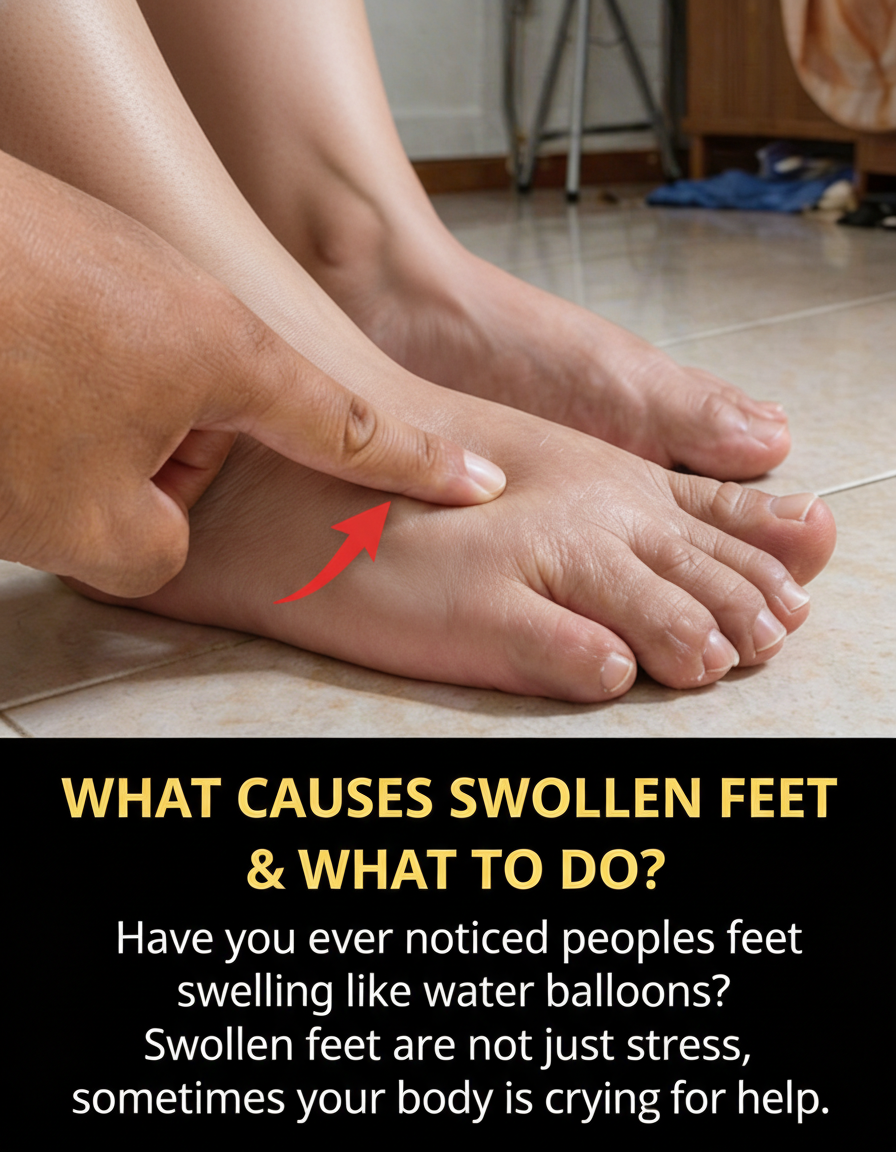
Have you ever experienced that familiar discomfort at the end of a long day, when your shoes feel unusually tight and your feet appear puffy, almost as if your ankles have disappeared? This sensation of tightness and the sometimes shiny, stretched skin can make walking feel heavy and lead to concerns about whether it’s merely fatigue or something more significant. While occasional swelling in the lower extremities is a common occurrence, persistent or severe puffiness in the feet and ankles—clinically known as edema—can sometimes signal underlying health issues that warrant attention. The good news is that recognizing the typical triggers and implementing simple, everyday adjustments often provides considerable relief. Moreover, there’s a key daily habit that many overlook, yet it holds the potential to dramatically improve how your legs feel by evening.
What Exactly Is Edema in the Feet and Ankles?
Edema manifests as an accumulation of excess fluid within the body’s tissues. It frequently affects the lower limbs, such as the feet and ankles, primarily because gravity tends to pull fluids downwards when you spend extended periods upright. Medical sources, including research from the Mayo Clinic, highlight that this phenomenon is particularly prevalent in the feet and ankles due to their distance from the heart. While mild, transient swelling might resolve overnight with adequate rest, any persistent puffiness or sudden onset of significant swelling should prompt closer observation of patterns and potential contributing factors.
Everyday Factors Contributing to Swollen Feet and Ankles
Several common lifestyle habits and environmental conditions can lead to temporary or recurring swelling in the feet and ankles:
1. Prolonged Periods of Inactivity
-
Spending excessive time in a static position, whether sitting at a desk, standing for long retail shifts, or enduring extended car journeys or flights, can cause blood and other fluids to pool in your lower legs. This effect can be exacerbated by hot weather, which causes blood vessels to dilate.
What you can do for immediate relief:
- Incorporate brief walks or perform simple ankle rotations and flexes every hour to stimulate circulation.
- Elevate your feet above the level of your heart for 15-20 minutes several times daily.
- Consider wearing compression socks or stockings for supportive pressure during long periods on your feet; studies confirm that consistent movement significantly enhances circulation and minimizes fluid pooling.
2. High Sodium Intake
-
A diet rich in sodium prompts your body to retain water, leading to noticeable puffiness not only in the feet and hands but also causing general bloating or making rings feel tighter. Reducing your sodium intake can often yield quick improvements.
Simple dietary adjustments to consider:
- Minimize consumption of highly processed foods, fast food, and canned goods, which are often laden with hidden sodium.
- Drink ample amounts of water throughout the day to help your body flush out excess sodium.
- Incorporate potassium-rich foods into your diet, such as bananas, spinach, avocados, and sweet potatoes, as potassium helps counteract sodium’s effects. According to various health guidelines, many individuals observe a reduction in swelling within days of adopting a lower-sodium diet.
(Image: A person relaxing on a couch, gently elevating their swollen feet on soft pillows, captured in a realistic everyday mobile photo style.)
Swelling During Pregnancy
During pregnancy, a woman’s body naturally increases its blood volume and fluid retention to support the developing baby. Additionally, the growing uterus can exert pressure on the major veins, particularly the inferior vena cava, which can impede the efficient return of blood flow from the legs back to the heart. This type of swelling is very common, especially during the third trimester.
Helpful strategies for managing pregnancy-related swelling:
- Rest frequently with your feet elevated whenever feasible.
- Avoid prolonged periods of standing.
- When sleeping, try lying on your left side to alleviate pressure on crucial veins.
- Ensure you stay adequately hydrated.
Important Warning: However, if swelling appears suddenly and is severe—especially if accompanied by headaches, visual disturbances, or pain in the upper abdomen—it is crucial to contact your healthcare provider immediately. These symptoms could indicate preeclampsia, a serious condition requiring prompt medical evaluation.
When Swelling Points to Heart Function
If the heart’s pumping efficiency is compromised, it can lead to a backup of fluid in the peripheral areas of the body, particularly the legs and feet.