 By admin
 Understanding Tonsil Stones: Your Comprehensive Guide to Symptoms, Causes, and Safe Removal
Have you ever experienced the unsettling sensation of coughing up a small, firm, and often foul-smelling lump from your throat? This perplexing occurrence frequently leaves individuals questioning its source and feeling self-conscious about their breath. These discreet formations, medically referred to as tonsil stones or tonsilloliths, can accumulate within the natural indentations of your tonsils, leading to persistent discomfort and potential embarrassment, even with diligent oral hygiene practices. The good news is that understanding these common throat formations is the first step towards better oral and throat health. By the time you finish reading, you’ll not only grasp the fundamentals but also uncover simple yet effective strategies that could significantly improve your situation.
What Exactly Are Tonsil Stones (Tonsilloliths)?
Also known as tonsilloliths, tonsil stones are small, hardened masses that develop within the natural crevices or “crypts” of your tonsils. Your tonsils play a crucial role as part of your body’s immune system, acting as a filter to trap various substances like bacteria, food debris, dead cells, and mucus. When these microscopic particles become lodged in the tonsillar crypts and combine with minerals, particularly calcium, they gradually solidify. The result is the formation of white or yellowish lumps, often resembling tiny pebbles or grains of rice, though some can develop into larger, more noticeable masses.
According to medical professionals at the Cleveland Clinic, tonsil stones are a remarkably common occurrence and are generally not indicative of a serious health issue. While many individuals discover them incidentally during a self-examination in the mirror or during a routine dental check-up, gaining insight into their formation process is fundamental to effectively managing their presence.
Common Symptoms and Signs of Tonsil Stones
It’s quite common for individuals to have tonsil stones without even realizing it, as their symptoms can be subtle and easily dismissed. However, when these indicators do manifest, they can be quite bothersome and significantly affect daily comfort and confidence. Understanding these signs is crucial for early detection and management.
Persistent Bad Breath (Halitosis)
Perhaps the most common and distressing symptom is chronic bad breath, or halitosis, which often resists resolution despite diligent brushing, flossing, and mouthwash use. The bacteria thriving on tonsil stones release volatile sulfur compounds, which are the primary culprits behind this unpleasant odor. Studies suggest that tonsilloliths could be a contributing factor in up to 10% of persistent halitosis cases, making them a significant concern for oral hygiene.
Sore Throat or Throat Irritation
Many people report a persistent scratchy feeling, mild discomfort, or even a sore throat, particularly noticeable when swallowing. Larger tonsil stones can exert pressure on the surrounding throat tissues, creating an irritating sensation of something lodged in the back of your throat, which can be quite distracting.
Visible White or Yellow Debris
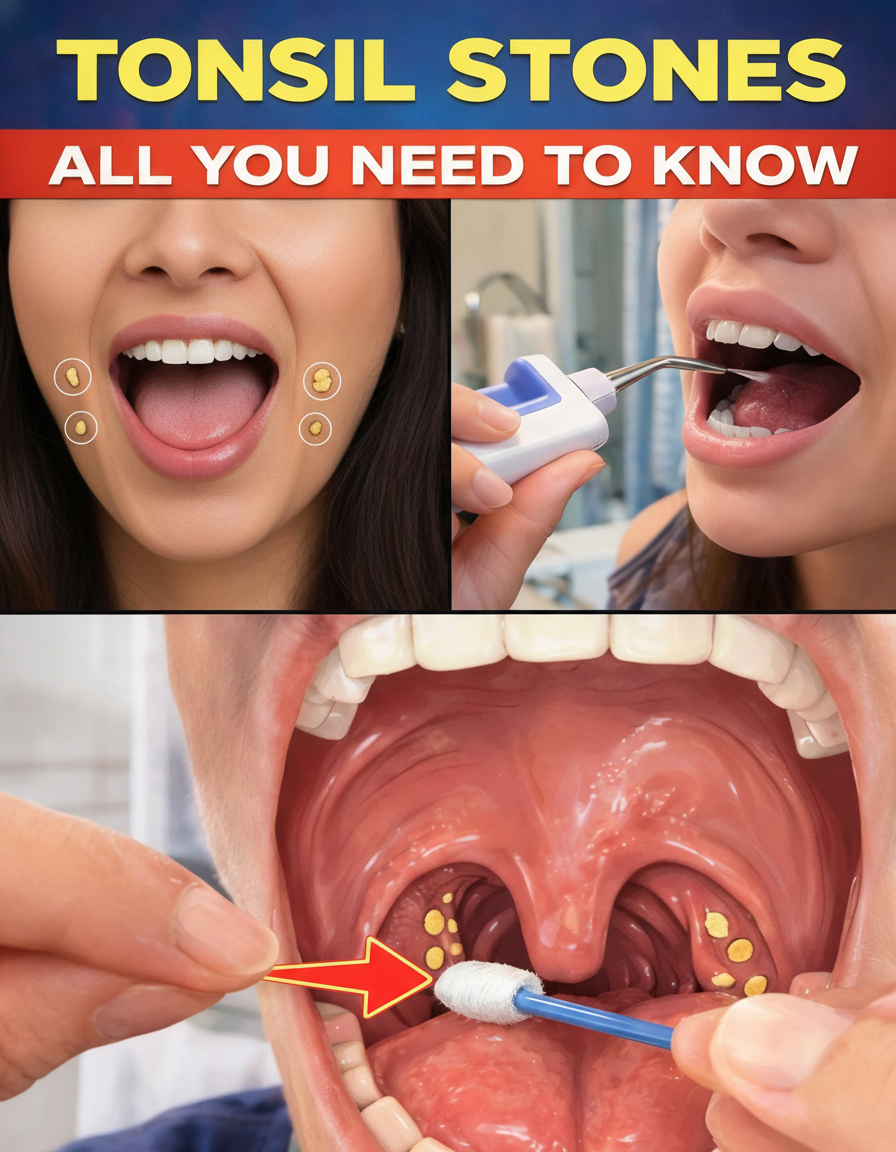
A direct visual cue involves noticing small white or yellowish specks or lumps on the surface of your tonsils when looking in a mirror. These visible formations may occasionally dislodge spontaneously or be expelled during a cough, offering temporary relief.
Unexplained Ear Pain
Intriguingly, tonsil stones can lead to referred pain in the ears. This phenomenon occurs because the throat and ears share common nerve pathways. Consequently, you might experience an ache in your ear that seems to have no obvious connection to an ear infection or other typical causes.
Swollen Tonsils or Chronic Cough
In some instances, the irritation caused by tonsil stones can trigger slight swelling in the tonsils or provoke a persistent cough, as your body instinctively attempts to dislodge the foreign material. While tiny stones often go unnoticed, recognizing these recurring patterns can provide valuable insights into your throat health. It’s important to remember that these symptoms can sometimes be misleading, mimicking other conditions.
Symptoms of Tonsil Stones: What They Mean and What They’re Often Confused With
To help you better differentiate, here’s a quick overview:
| Common Symptom | Why It Happens | Often Mistaken For |
|---|---|---|
| Persistent Bad Breath | Bacterial sulfur compounds | Poor oral hygiene or dietary issues |
| Sore Throat / Irritation | Pressure on tissue from stones | Common cold, allergies, or strep throat |
| Visible Spots & Ear Pain | Presence of stones & shared nerve referral | Throat infection, ear infection, or earwax buildup |
| Cough & Swelling | Irritation response from foreign body | Acid reflux, smoking-related irritation, or viral infections |
What Causes Tonsil Stones to Form?
While tonsil stones can affect anyone, several contributing factors significantly increase their likelihood of development. Understanding these causes is key to prevention and management.
- Inadequate Oral Hygiene: A primary factor is poor oral hygiene, which permits food particles, bacteria, and dead cells to accumulate and become trapped within the tonsillar crypts. Regular and thorough brushing and flossing are essential to minimize this debris.
- Chronic Tonsil Inflammation: Persistent inflammation of the tonsils (tonsillitis) can cause these natural pockets to enlarge and deepen, creating more ideal environments for debris to become ensnared and calcify.
- Anatomical Factors: Individuals who naturally possess larger tonsils or have particularly deep and irregular tonsillar crypts are inherently more susceptible to the buildup of tonsil stones, as these anatomical features provide ample space for material to collect.
- Post-Nasal Drip: Conditions like allergies or sinus issues can lead to increased post-nasal drip. This continuous flow of mucus down the back of the throat adds to the material that can get trapped in the tonsils, contributing to stone formation.
Research consistently indicates that tonsil stones are particularly prevalent among adults, especially those with cryptic tonsils. Ultimately, many everyday habits and underlying conditions play a crucial role in their formation.
Safe Home Remedies for Removing Tonsil Stones
For many small tonsil stones, natural expulsion often occurs without any specific intervention. However, if you’re experiencing discomfort or simply wish to encourage their removal, several gentle and safe home methods can be effective. Always proceed with caution to avoid irritation or injury.
Effective Home Removal Techniques:
- Warm Saltwater Gargle: This is one of the simplest and most effective initial steps. Dissolve about half a teaspoon of salt in a cup of warm water. Gargle vigorously with this solution for at least 30 seconds. The warm salt water helps to dislodge the stones and can also soothe any throat irritation. Repeat this several times a day.
- Low-Pressure Water Flosser: A water flosser (or oral irrigator) set to its lowest pressure can be a useful tool. Carefully aim the stream of water at your tonsils from a safe distance. This gentle irrigation can help flush out trapped debris and dislodge stones without causing trauma to the delicate tonsil tissue. Avoid high pressure, which can be harmful.
- Forceful Coughing: Sometimes, a strong cough can be enough to dislodge superficial tonsil stones. Try coughing forcefully, as the vibration and pressure can help pop them out.
- Gentle Manual Removal (with caution): If you can clearly see a tonsil stone and it’s easily accessible, you may attempt to gently dislodge it with a clean, damp cotton swab. First, thoroughly wash your hands. Then, very lightly press the swab near the stone, encouraging it to pop out. Crucially, never use sharp objects, your fingers, or apply excessive force, as this can lead to bleeding, infection, or serious injury to your tonsils.
When to Seek Professional Help: If your tonsil stones are large, cause significant pain, persistent discomfort, frequent infections, or if home remedies are ineffective, it is highly recommended to consult a healthcare professional, such as an ENT specialist (otolaryngologist). They can provide safe removal options and discuss long-term management strategies.