 By admin
 Noticing small, pale patches on your skin, especially on your arms or legs, can be a bit unsettling. These tiny, flat, white spots often appear unexpectedly, standing out against your natural skin tone. Many individuals encounter these subtle marks over time and naturally wonder if they signify a serious health concern or are simply a normal aspect of the aging process. These common skin occurrences are frequently identified as idiopathic guttate hypomelanosis (IGH), predominantly affecting areas extensively exposed to sunlight, such as the forearms, shins, and other parts of the legs.
The reassuring news is that IGH spots are generally benign, meaning they are harmless and typically do not cause discomfort like pain or itching, nor do they pose any significant health risks. However, gaining a clear understanding of why these spots develop and what steps can be taken to manage their appearance can offer considerable peace of mind. This comprehensive guide will delve into the true nature of these white spots, explore the key factors contributing to their presence, and outline practical daily strategies to maintain optimal skin health and appearance moving forward. Continue reading to discover a simple daily habit that many find significantly improves skin evenness over time.
What Exactly Are These Small White Spots on the Skin?
Idiopathic guttate hypomelanosis manifests as distinct, small, round or oval, flat lesions that are noticeably lighter than the surrounding skin. Typically, these spots measure between 2-5 mm in diameter, though some can expand to 10 mm or even larger. They frequently form clusters on areas of the body that receive substantial sun exposure, including the arms, legs, and occasionally the upper back or chest. To the touch, these patches usually feel smooth, lacking any scaling, flakiness, or elevated texture.
Extensive research indicates that this condition becomes increasingly prevalent with advancing age, particularly after the age of 40. While it can affect individuals of all skin types, it is observed more frequently in those with lighter complexions. Studies consistently point to cumulative sun exposure over many years as a primary catalyst in the development of these spots. Ultraviolet (UV) radiation is believed to influence the melanocytes (pigment-producing cells) in specific, localized areas, leading to reduced melanin production. Nevertheless, sun exposure isn’t the sole determinant; genetic predispositions and the natural process of skin aging also play significant roles, which is why the condition is termed “idiopathic”—meaning its exact cause isn’t always attributable to a single, definitive factor.
Common Causes and Why These Spots Favor Arms and Legs
The most significant factor unequivocally linked to the emergence of these distinct white spots is prolonged and unprotected exposure to ultraviolet (UV) light from the sun. Over several decades, recurrent UV exposure can progressively diminish melanin—the natural pigment responsible for giving skin its color—within specific, localized skin patches. This process results in the formation of those noticeable lighter areas, often colloquially referred to as “white sun spots” or even “reverse freckles.”
Beyond solar radiation, several other elements contribute to their development:
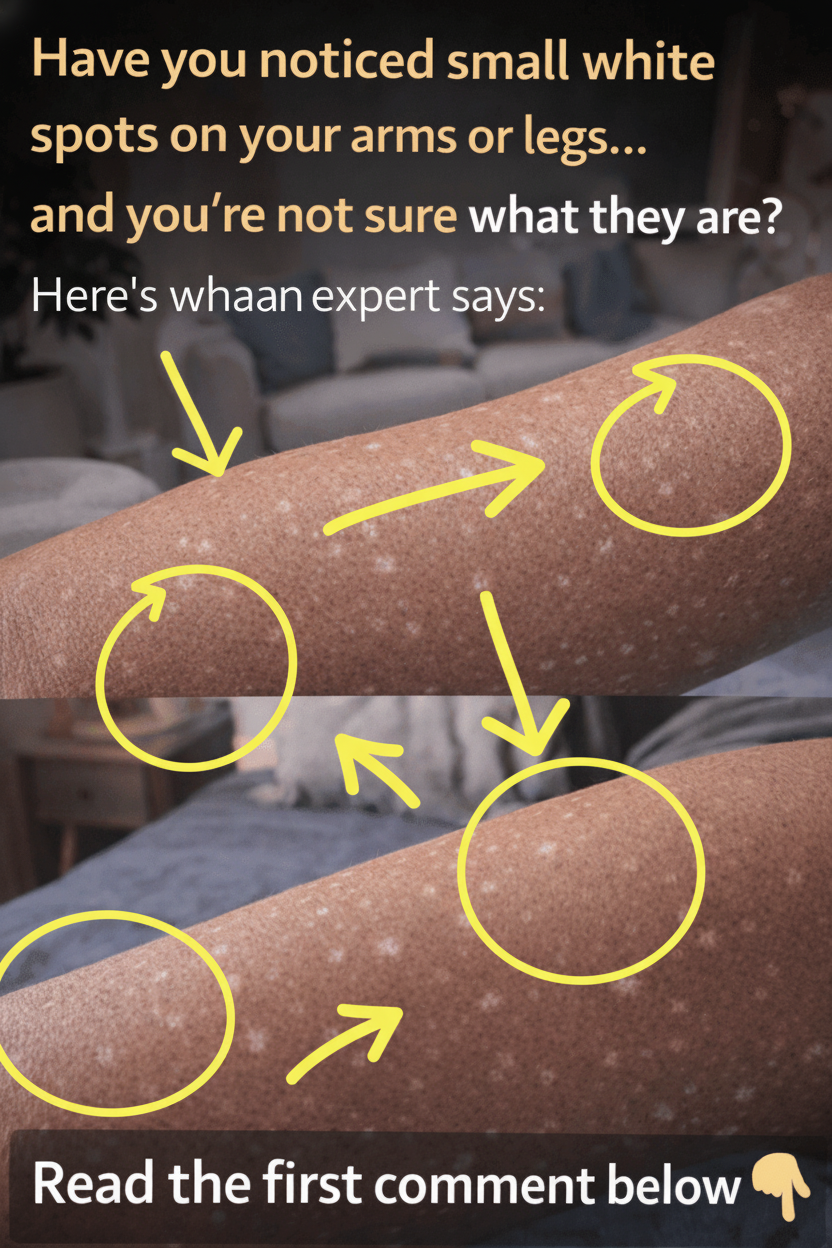
- Aging Skin: As we age, our skin undergoes natural transformations, and the activity of pigment cells (melanocytes) can decrease in certain areas, leading to localized depigmentation.
- Genetic Predisposition: A hereditary component is often observed, with some families noting similar patterns of these spots, suggesting a genetic susceptibility.
- Skin Tone: While IGH can affect anyone, fairer skin types tend to display these changes more readily. Conversely, on darker skin tones, the contrast between the white spots and the surrounding skin can appear more pronounced and striking.
It is crucial to understand that these spots are not a result of bacterial or fungal infections, poor hygiene, or any contagious agent. Instead, they represent a benign dermatological variation—a common skin change that many individuals experience without realizing its widespread prevalence.
Distinguishing Idiopathic Guttate Hypomelanosis from Other Skin Conditions
While idiopathic guttate hypomelanosis (IGH) is the most probable explanation for small, scattered white spots observed on the arms and legs of adults, it is beneficial to recognize its distinguishing features from other potential dermatological conditions. Here’s a concise comparison to help differentiate:
- Idiopathic Guttate Hypomelanosis (IGH): Characterized by small (typically 2-5 mm), flat, round or oval, pale white or off-white patches. These usually appear on sun-exposed limbs, do not itch or scale, and gradually increase in number and size with age.
- Tinea Versicolor: This fungal infection can result in either lighter or darker patches, which often present with a slightly scaly or flaky texture. It typically affects a broader area, often on the trunk, and is caused by an overgrowth of yeast on the skin.
- Pityriasis Alba: Commonly seen in children and teenagers, especially those with a history of dry skin or eczema. It manifests as mild, scaly patches that eventually fade to a lighter, hypopigmented state.
- Vitiligo: Distinguished by larger, irregularly shaped patches with sharply defined borders. Vitiligo can spread significantly and, in some cases, may cause hair within the affected areas to turn white.
If your skin spots align with the description of being small, smooth, non-itchy, appearing on sun-exposed arms and legs, and developing gradually over time, IGH is indeed a very common diagnosis. Nevertheless, if you have any lingering doubts or concerns about your skin’s condition, a consultation with a qualified dermatologist can provide accurate diagnosis and invaluable clarity.
Daily Habits to Enhance Your Skin’s Appearance and Health
While it’s impossible to reverse the effects of past sun damage, adopting consistent and proactive skincare habits can significantly support overall skin health. These practices may also help to minimize the appearance of new spots and potentially make existing ones less conspicuous. Here are actionable steps you can integrate into your daily routine starting today:
- Prioritize Daily Broad-Spectrum Sunscreen: Make it a habit to apply a broad-spectrum sunscreen with an SPF of 30 or higher every single morning, even on cloudy days. Reapply every two hours when spending time outdoors, especially after swimming or sweating. This is arguably one of the most effective strategies to shield your skin from further UV damage and slow down the progression of IGH.
- Smart Sun Protection Through Clothing: During peak sun hours, typically between 10 a.m. and 4 p.m., opt for lightweight, long-sleeved shirts and long pants. Additionally, make a conscious effort to seek shade whenever possible to reduce direct sun exposure.
- Maintain a Gentle Moisturizing Routine: Keep your skin well-hydrated by regularly applying fragrance-free lotions. Proper skin hydration contributes to a healthy skin barrier and can improve overall skin texture and appearance.
By consistently following these simple yet effective practices, you can actively contribute to maintaining your skin’s vitality and potentially mitigate the visual impact of white spots over time.