 By admin
 Unlock a Fresher Smile: How Holy Basil (Tulsi) Can Support Your Oral Wellness Journey
Despite diligent brushing and flossing, have you noticed your breath isn’t as fresh as it once was, or perhaps a subtle tenderness in your gums? These minor oral concerns can understandably make you hesitant to engage in conversations with loved ones. You’re certainly not alone; many adults experience these common, often overlooked, dental issues that seem to emerge with age. Worse still, you might have dismissed these early indicators, attributing them to the inevitable process of getting older. But what if a gentle, plant-based approach could enhance your daily oral hygiene routine, working alongside your dentist’s recommendations? And what if you could discover a surprisingly simple way to incorporate it into your life by the end of this article? Join us as we explore tulsi, also known as holy basil—a revered herb with centuries of use—and uncover how it might naturally complement your oral care practices in a safe, everyday manner. 🌿
Understanding Tulsi (Holy Basil): A Valued Herb Through the Ages
Anyone who has experienced the vibrant scent of a fresh basil plant understands its invigorating, herbal essence. Tulsi (pronounced *tool-see*), or holy basil, however, stands apart as a distinct variety traditionally celebrated in wellness and spiritual customs across South Asia. It’s crucial to emphasize that tulsi is not a miraculous cure-all, but rather a plant people have historically utilized for its:
- Calming and soothing properties
- Naturally refreshing aroma
- Support in traditional health rituals
Emerging research indicates that the naturally occurring compounds found within tulsi leaves possess intriguing qualities. These properties could potentially contribute to overall oral comfort and freshness when integrated with fundamental daily care like brushing and flossing.
Tulsi vs. Common Basil: A Quick Comparison
| Feature | Tulsi (Holy Basil) | Sweet/Table Basil |
|---|---|---|
| Traditional use | Herbal wellness, spiritual practices | Primarily culinary flavoring |
| Aroma | Distinct, subtly peppery | Sweet, generally mild |
| Key Compounds | Eugenol, rosmarinic acid, various polyphenols | Generally less concentrated |
| Typical application | Herbal rinses, supportive health practices | Cooking ingredient, seasoning |
As you can see, while they may share a visual resemblance, their traditional applications and chemical profiles differ significantly.
🌱 Integrating Tulsi into Your Oral Care: A Complement, Not a Replacement
To be absolutely clear: tulsi cannot repair cavities, nor can it treat advanced gum disease. Only a qualified dental professional is equipped to diagnose and guide treatment for such conditions. HOWEVER, based on both historical tradition and contemporary research, here’s how tulsi may offer beneficial support:
- Promoting a healthy balance of oral bacteria
- Enhancing breath freshness
- Providing comfort for sensitive gum areas
- Contributing to overall oral vitality as part of a comprehensive routine
These potential benefits are precisely why many individuals find it to be a valuable and pleasant addition to their daily regimen.
👉 The fundamental truth is that optimal oral health is a collaborative effort. Your toothbrush, dental floss, consistent professional check-ups, and diligent daily habits form the bedrock. Herbal aids like tulsi can serve as an excellent supplementary player on this essential team.
What the Science Suggests (Simplified)
Scientific inquiry indicates that specific plant compounds inherent in tulsi leaves exhibit:
- Potent antioxidant activity
- Mild antibacterial characteristics
- Mechanisms that support anti-inflammatory responses
These are not “cures” for dental ailments but rather natural biological pathways that can contribute to a feeling of greater freshness and daily comfort within your mouth.
🧠 Important Reminder: Research into tulsi’s effects is ongoing. Always use tulsi as an adjunct to—never as a substitute for—established, evidence-based dental hygiene practices.
🪥 Practical Ways to Incorporate Tulsi into Your Daily Oral Care Routine
Here are several gentle and straightforward methods to integrate tulsi into your routine. Feel free to choose the options that best suit your preferences and lifestyle:
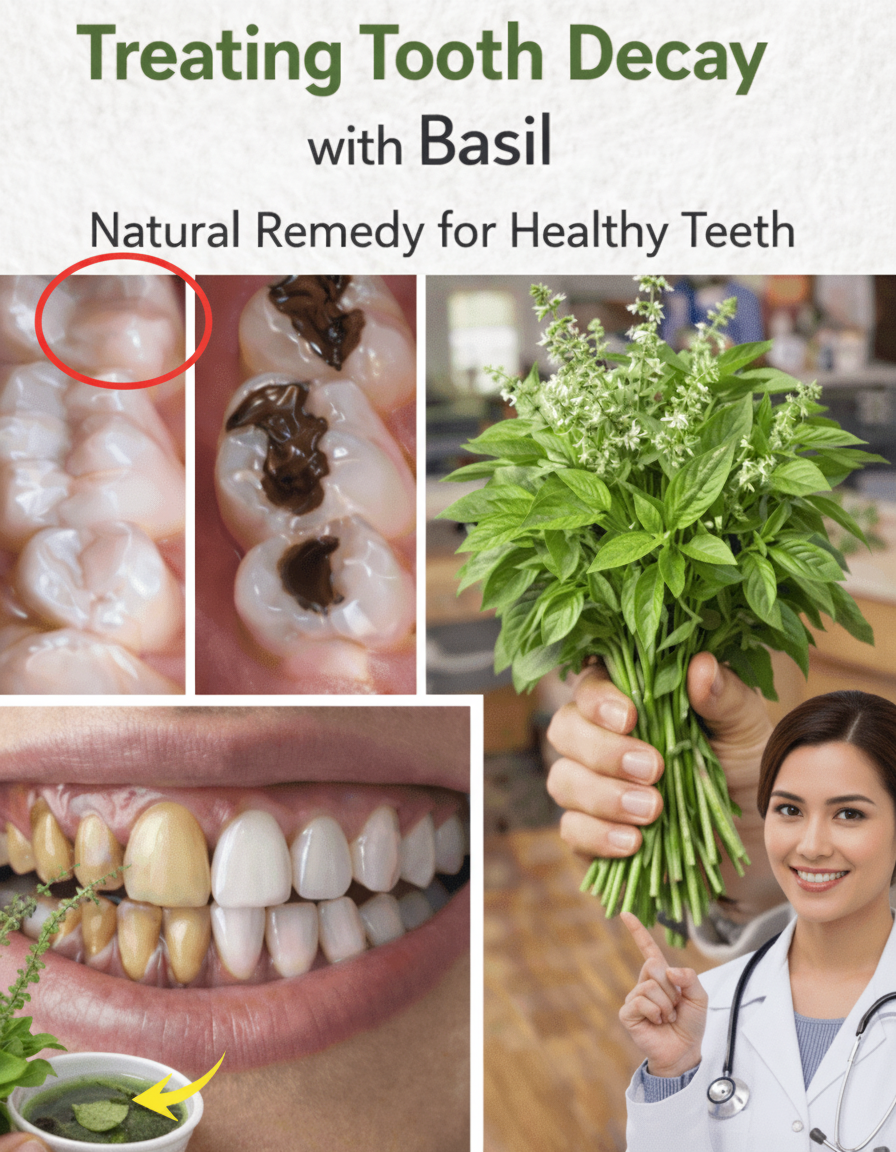
1. Tulsi Herbal Mouth Rinse (A Soothing Elixir)
You will need:
- 5–6 fresh or dried tulsi leaves
- 1 cup (240 ml) of water
Preparation Steps:
- Bring the tulsi leaves to a boil in the water for approximately 10 minutes.
- Allow the liquid to cool completely to a comfortable temperature.
- Strain out the leaves, retaining the herbal infusion.
- Use this liquid as a mouth rinse after brushing your teeth—swish gently for a minute or so and then spit it out.
👉 Apply this rinse once or twice daily for optimal benefit.
2. Tulsi Leaf Powder Blended with Toothpaste
Preparation Steps:
- Air-dry fresh tulsi leaves thoroughly in a shaded area.
- Grind the dried leaves into a very fine powder.
- Mix a tiny pinch of this tulsi powder with your regular toothpaste on your brush.
- Brush your teeth gently, avoiding excessive pressure.
✔ Tip: This method can provide a soothing sensation, but exercise caution and avoid over-scrubbing—your gums are delicate!
3. Tulsi Tea for Holistic Comfort
Preparation Steps:
- Steep 3–4 fresh tulsi leaves in hot water for 5–10 minutes.
- Enjoy this tea once a day; you may add a touch of honey if desired.
Drinking tulsi tea contributes to your overall well-being. When you feel good internally, it often translates into more consistent and mindful care for your oral health.
Essential Oral Care Habits You Must Never Neglect
Let’s be unequivocally clear: no herbal remedy, however beneficial, can ever supersede these fundamental practices:
- ✔ Brush your teeth twice daily using fluoride toothpaste.
- ✔ Floss thoroughly every single day.
- ✔ Maintain adequate hydration by drinking plenty of water.
- ✔ Consume a balanced diet and judiciously limit excessive sugar intake.
- ✔ Schedule and attend regular dental check-ups with your dentist.
These habits form the bedrock of your oral health. Tulsi, in this context, is an enhancement, not the primary support structure. Yet, here’s an encouraging insight: individuals who feel more empowered and in control of their oral care journey are often more diligent in adhering to these crucial habits. And that dedication genuinely makes a significant, positive impact.
✨ Expert Tips to Enhance Your Oral Comfort and Confidence
- 🌿 Opt for fresh tulsi leaves whenever possible, as their aromatic compounds and beneficial properties tend to be more potent.
- 👄 Always spit out concentrated tulsi rinses; do not swallow them.
- 🪥 Practice gentleness when applying tulsi powder or brushing your teeth—your gums are delicate and sensitive.
”
}
“`