 By admin
 Your kidneys are remarkable organs, tirelessly performing vital functions every single day. They act as sophisticated filters, removing waste products, meticulously balancing fluids, and playing a crucial role in regulating your blood pressure. Despite their incredible resilience, many individuals unknowingly adopt lifestyle choices that place undue stress on these critical organs over time. This cumulative strain can manifest as fatigue, unexplained swelling, or even elevate the risk of more serious health complications in the future.
The encouraging news is that achieving better kidney wellness doesn’t require drastic overhauls. Instead, small, consistent adjustments to your dietary and hydration habits can significantly alleviate the burden on your kidneys and foster overall vitality. This comprehensive guide will delve into practical, evidence-backed strategies for selecting kidney-friendly foods while intelligently limiting those that may increase their workload. The most profound insight, often overlooked, is that true kidney support stems not from a single “superfood,” but from the cumulative impact of your daily nutritional patterns. Stay with us, as we’ll also touch upon simple routines that seamlessly integrate these principles into your everyday life.
Why Your Daily Nutritional Choices Are Key to Kidney Wellness
Extensive research, including studies from reputable organizations like the National Institute of Diabetes and Digestive and Kidney Diseases (NIDDK), consistently highlights the profound impact of diet on renal function. Dietary approaches characterized by lower sodium content and a balanced intake of essential minerals like potassium and phosphorus are proven to reduce stress on the kidneys, thereby supporting their healthy operation for years to come.
Foods high in sodium, for instance, contribute to elevated blood pressure, compelling your kidneys to work harder to manage fluid balance within the body. Highly processed items are particularly problematic, often containing hidden sodium along with various artificial additives. Conversely, maintaining optimal hydration and opting for nutrient-dense, low-strain food choices actively supports the kidneys’ natural filtration processes. Furthermore, studies underscore how specific fruits and vegetables deliver a wealth of antioxidants and dietary fiber, promoting holistic health without imposing an excessive load on the renal system.
Nourishing Your Kidneys: Essential Foods to Embrace
Integrate these beneficial options into your balanced eating plan. They are generally lower in elements that can accumulate when kidney function requires extra care, making them excellent choices for renal support.
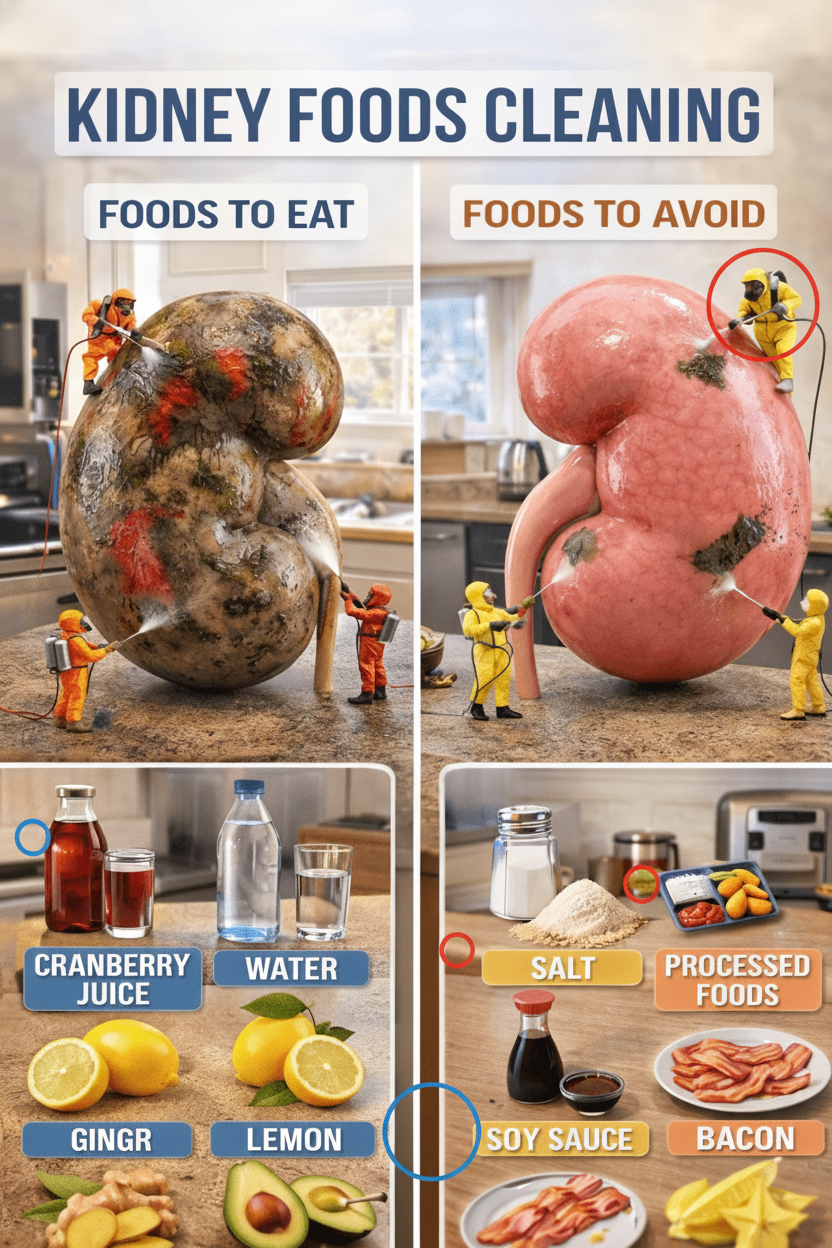
- Water: The Foundation of Renal Health. Adequate hydration is paramount. Consistent water intake throughout the day ensures free-flowing urine, effectively reducing the concentration of waste products and preventing stone formation.
- Cranberries: Urinary Tract Ally. Frequently consumed as unsweetened or diluted juice, cranberries are noted for their potential to support urinary tract wellness. A healthy urinary tract indirectly eases the overall workload on your kidneys.
- Lemons: Citrate Powerhouse. Adding a squeeze of fresh lemon to your water can naturally boost citrate levels. Urology experts suggest that increased citrate may play a role in preventing the formation of certain kidney stones.
- Ginger: Soothing & Supportive. This versatile root is not only a fantastic flavor enhancer but also aids digestion and may help mitigate mild inflammation, making it a valuable addition to a whole-foods-based diet.
- Avocado: Healthy Fats (with Caution). Avocados provide beneficial monounsaturated fats and fiber. However, due to their potassium content, mindful portion control is advisable, especially if you are monitoring potassium intake under medical guidance.
Other highly recommended choices from leading kidney health resources include:
- Red Bell Peppers: Low in problematic minerals, yet rich in essential vitamins and antioxidants.
- Cabbage & Cauliflower: These cruciferous vegetables are packed with nutrients and generally gentle on the kidneys.
- Apples & Berries: Abundant in antioxidants, these fruits are typically easy for the renal system to process.
- Garlic & Onions: Excellent natural flavor enhancers that allow you to reduce reliance on high-sodium seasonings.
Introduce these foods gradually into your diet to ensure sustainable and enjoyable changes.
Foods to Limit for Reduced Kidney Strain
Certain dietary items are known to significantly increase the kidneys’ workload due to their high content of sodium, phosphorus, or other potentially harmful compounds. Moderating or avoiding these can make a substantial difference.
- Excess Salt & High-Sodium Seasonings: Table salt, soy sauce, and many seasoning blends directly contribute to fluid retention and elevated blood pressure, forcing kidneys to work harder.
- Processed Foods: Deli meats, pre-packaged snacks, and ready-to-eat meals are frequently laden with excessive sodium, unhealthy fats, and artificial preservatives that challenge renal function.
- Bacon & Cured Meats: These items combine high sodium levels with saturated fats, which are detrimental to cardiovascular health and, by extension, kidney health.
- Starfruit: This fruit poses particular risks for individuals with compromised kidney function due to its natural neurotoxins. It is strongly advised to avoid starfruit if you have any kidney concerns.
Additionally, dark sodas (often high in phosphorus additives) and an excessive intake of highly processed proteins are frequently cited in guidelines as foods to consume sparingly or avoid, as they can contribute to an increased renal burden.
Quick Comparison: Kidney-Supportive vs. Limiting Choices
This straightforward comparison can simplify your choices at the grocery store and in the kitchen, making it easier to select foods that promote kidney health.
| Supportive Options | Options to Limit |
|---|---|
| Plenty of plain water | Added table salt |
| Fresh lemon slices in water | Soy sauce and similar condiments |
| Unsweetened cranberry juice (in moderation) | Processed snacks and meals |
| Ginger tea or fresh root | Bacon and cured meats |
| Avocado (small portions) | Starfruit (especially if kidney concerns exist) |
Actionable Steps to Cultivate Kidney-Friendly Habits Today
Embark on your journey to better kidney health with small, manageable steps that lead to lasting results. Consistency is key!
- Prioritize Hydration: Make it a habit to begin your day with a substantial glass of water. Consider adding a squeeze of fresh lemon for enhanced flavor and its potential citrate benefits. Aim for consistent intake throughout the day, targeting at least 8 cups (or more, as advised by your doctor) spread evenly.
- Master Sodium Reduction: Become a diligent label reader—strive to keep your daily sodium intake below 2,300 mg (or lower, if specifically recommended by a healthcare professional). Experiment with flavorful alternatives like herbs, spices, garlic, onions, or lemon to season your meals instead of relying on salt.
- Choose Fresh Over Processed: Consciously replace highly processed items with their fresh, whole-food counterparts. For example, swap deli meats for lean protein sources such as grilled chicken, fish, or egg whites. Opt for whole fruits instead of dried or canned versions with added sugars.
- Integrate Supportive Foods Weekly: Challenge yourself to try one new kidney-friendly food each week. Perhaps add red bell peppers to your salads, incorporate cranberries into your morning smoothie, or experiment with cauliflower rice. Gradual integration makes dietary changes enjoyable and sustainable.
By consistently implementing these simple, yet powerful, daily habits, you can significantly contribute to the long-term health and optimal function of your kidneys. Remember, your body thrives on consistency and thoughtful nourishment. Always consult with a healthcare professional or a registered dietitian for personalized dietary advice, especially if you have existing kidney conditions or other health concerns.