 By admin
After countless hours spent fixated on digital screens, many of us experience the familiar discomfort of tired, dry eyes, or even a slight blurring of vision. As we age, the cumulative impact of daily light exposure, pervasive blue light from our devices, and environmental oxidative stress can make maintaining optimal eye comfort and long-term visual acuity feel increasingly challenging.
The encouraging news is that enhancing your eye health can be as simple as making smart, everyday food choices. One particular vibrant tropical fruit stands out as a delicious and convenient addition to your routine, offering natural nourishment and protection for delicate eye tissues. Imagine a single fruit, brimming with essential nutrients, seamlessly fitting into your breakfast or snack regimen while actively contributing to your overall vision wellness.
Continue reading to explore the compelling reasons why guava deserves a prominent place in your diet, supported by its impressive nutritional profile and what scientific research suggests about its remarkable role in supporting healthy eyes.
Why Guava is a Standout for Eye Support
Guava (Psidium guajava) is far more than just a sweet, refreshing treat. This exotic fruit packs an extraordinary punch when it comes to nutrients that eye health experts frequently emphasize. A single medium-sized guava (approximately 100–150g) delivers an array of beneficial compounds. Scientific studies consistently indicate that diets rich in specific vitamins and plant compounds are crucial for combating oxidative stress – the very kind that accumulates in eye tissues from daily light exposure and the natural aging process. But guava’s advantages don’t stop there…
What truly sets guava apart is its unique combination of vital nutrients, many of which are present in significantly higher concentrations than found in numerous other common fruits.
Key Nutrients in Guava That Promote Eye Wellness
Let’s take a closer look at the powerful components a typical 100g serving of fresh guava provides (based on USDA data and comprehensive nutritional studies), each playing a distinct role in maintaining sharp vision:
- Vitamin C: Boasting over 200 mg, this amount far surpasses daily requirements. As a potent water-soluble antioxidant, Vitamin C is instrumental in helping to shield the delicate structures of the eye from free radical damage.
- Beta-carotene (Provitamin A): This crucial compound converts into Vitamin A within the body, which is fundamental for supporting normal retinal function and ensuring healthy vision, particularly in varying light conditions and for night vision.
- Lycopene: Present at around 5,200 µg, this powerful carotenoid antioxidant is especially abundant in pink and red guava varieties. Research links lycopene to a reduction in cellular stress, contributing to overall eye protection.
- Quercetin and Other Flavonoids: These beneficial plant compounds possess strong anti-inflammatory properties that may help alleviate common everyday eye fatigue and discomfort.
- Fiber: With approximately 5g per serving, fiber supports overall metabolic health, which in turn indirectly benefits the crucial circulation of blood and nutrients to the eyes.
Collectively, these nutrients are suggested by studies to play critical supportive roles in safeguarding against the cumulative effects of oxidative damage over time, which can impact long-term eye health.
How These Nutrients Work to Protect Your Vision
Your eyes are constantly challenged by a barrage of environmental factors: harmful UV rays, prolonged screen time, atmospheric pollution, and the inevitable processes of natural aging. These factors generate free radicals, leading to oxidative stress. Over many years, this stress is closely associated with changes in lens clarity and the health of the retina.
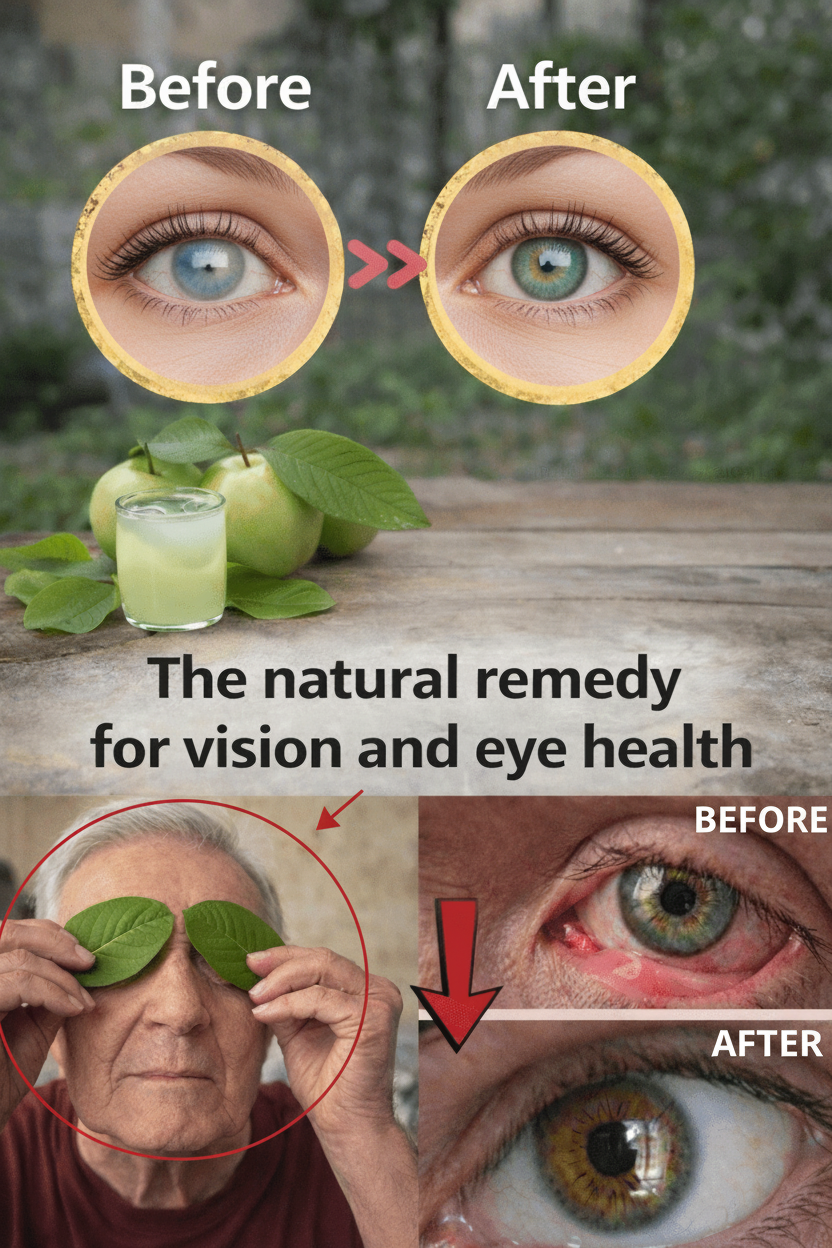
- Vitamin A precursors derived from beta-carotene are absolutely essential for the photoreceptors in the retina, playing a vital role in maintaining normal night vision and adapting to light changes.
- Vitamin C concentrates significantly in the eye’s lens and the aqueous humor, where it actively helps neutralize free radicals, thus protecting these critical structures.
- Lycopene, quercetin, and other antioxidants work synergistically to reduce inflammation and cellular stress. These are factors that researchers, through extensive population studies, have consistently linked to healthier eye aging and a reduced risk of age-related eye conditions.
While it’s important to note that no single food can prevent or reverse serious conditions like cataracts or age-related macular degeneration, the consistent intake of antioxidant-rich foods like guava significantly bolsters the body’s natural defense systems, providing crucial nutritional support for vision.
What Scientific Research Reveals
Numerous observational studies and comprehensive reviews consistently highlight a strong correlation between higher dietary intakes of Vitamin C, beta-carotene, and various carotenoids (including lycopene) with superior eye health markers over time. For instance, long-term studies have indicated that diets abundant in these compounds appear linked to a lower risk of age-related changes impacting vision.
Guava notably distinguishes itself by offering a powerful combination of high Vitamin C content alongside significant amounts of lycopene and beta-carotene – a profile that surpasses many other commonly consumed fruits. It’s an important consideration that most of the robust evidence stems from overall healthy dietary patterns, rather than isolated consumption of guava. Further human trials specifically focusing on guava’s direct impact would undoubtedly deepen our understanding of its targeted benefits.
Effortless Ways to Incorporate Guava into Your Daily Routine
The simplest approach to enjoying guava’s eye-boosting benefits? Eat it fresh or blend it into a quick, refreshing drink. Here are some practical and easily doable ideas:
- Enjoy Whole: Simply wash one ripe guava, slice it, and savor it with the skin on for an extra boost of fiber and nutrients. It makes for an ideal mid-morning or afternoon snack.
- Quick Guava Smoothie: Blend 1 chopped guava (seeds included for maximum benefit), 200 ml of water, a squeeze of fresh lemon for brightness, and an optional teaspoon of honey for sweetness. This nutritious drink is ready in under 3 minutes.
- Pair Smartly: Enhance its benefits by combining guava with other eye-friendly foods. Think carrots, spinach, or eggs in salads or smoothies for a broader spectrum of nutrient support.
- Frequency Tip: Aim for at least one serving most days. Consistency in intake typically yields better long-term results than sporadic large amounts.
Pro Tip: Whenever possible, opt for pink-fleshed guava varieties; these tend to boast higher concentrations of lycopene, further enhancing their vision-supporting properties.
A Refreshing 3-Minute Guava Drink Recipe
Here’s how to whip up a quick and healthy guava drink:
Ingredients:
- 1 ripe guava
- ½ lemon (for brightness and an extra dose of Vitamin C)
- 200 ml cold water
- Optional: 1 teaspoon of honey or a few ice cubes
Instructions:
- Wash the guava thoroughly, then chop it into smaller pieces. There’s no need to peel or remove the seeds, as they contribute valuable nutrients and fiber.
- Place the chopped guava, lemon juice, and cold water into a blender.
- Blend until smooth. If desired, add honey for sweetness or ice cubes for a colder, thicker consistency.
- Pour into a glass and enjoy immediately for a refreshing and vision-boosting treat!