 By admin
 Experiencing occasional digestive discomfort, bloating, or a general feeling of sluggishness after meals is a common challenge for many, often impacting daily productivity and enjoyment of food. Despite numerous attempts at relief, this persistent issue can be a source of frustration. What if a natural, gentle solution could be found within a common tropical fruit? This article will explore the traditional applications of papaya sap, revealing its potential as an unexpected ally in supporting your daily digestive health and transforming your approach to gut wellness.
What is Papaya Sap and Its Origins?
Papaya sap, also known as papaya latex, is the distinctive milky white liquid exuded from unripe or semi-ripe papaya fruit when its skin is scored or cut. This unique fluid is teeming with natural compounds, notably enzymes that have long been recognized in traditional medicine and culinary practices. Central to its potential benefits is papain, a powerful proteolytic enzyme renowned for its ability to break down proteins. Papain is present not only in the sap but also in the fruit itself and the leaves of the papaya plant. For centuries, various cultures have harnessed papain for its diverse applications. Reputable institutions, including the National Institutes of Health, have highlighted the potential role of enzymes like papain in facilitating the digestion and breakdown of food. It’s important to consider such findings within a broader, balanced perspective. Far from being a mere byproduct, this valuable sap has been historically cherished in regions like Southeast Asia and Latin America for its perceived contributions to overall daily wellness.
How Papaya Sap May Support Digestive Health
The rich enzyme profile of papaya sap has garnered significant attention for its potential role in aiding digestion. Let’s delve into its mechanisms. Primarily, papain, the dominant enzyme, is highly effective at breaking down complex proteins. This enzymatic action can contribute to making heavier, protein-rich meals feel significantly lighter and more manageable for the digestive system. Research, including studies featured in publications like the Journal of Medicinal Food, suggests that papaya enzymes can indeed assist in the efficient breakdown of proteins. However, individual responses to these enzymes can vary. Beyond its specific enzymatic action, traditional practices have long recognized papaya sap for its broader contribution to overall gut comfort. Historically, people have integrated it into their diets to foster smoother digestive processes. Furthermore, when considered alongside the natural fiber found in the papaya fruit, this synergy can gently encourage bowel regularity without the adverse effects often associated with harsh laxatives.
Beyond the Sap: Holistic Papaya Benefits for Gut Health
While papaya sap holds unique properties, the entire papaya fruit itself is a nutritional powerhouse, offering a multitude of benefits for digestive wellness. Ripe papaya is an excellent source of dietary fiber, which is crucial for promoting healthy bowel movements and preventing constipation. Furthermore, the fruit is abundant in potent antioxidants such as vitamin C and beta-carotene, which play a vital role in protecting cells and maintaining a balanced, healthy gut environment. As highlighted by reputable sources like Harvard Health, integrating fiber-rich foods into one’s diet is fundamental for achieving optimal digestive equilibrium. It’s not merely about isolated components; the combined action of the sap, fruit, and even the leaves creates a comprehensive natural toolkit for digestive support. For those who might be skeptical, preliminary research accessible via platforms like PubMed lends credence to traditional assertions, indicating its potential in mitigating occasional bloating and discomfort. Moreover, consistent consumption of papaya may even lead to improved nutrient absorption, largely attributed to its powerful enzymatic activity.
Safe and Practical Ways to Integrate Papaya Sap
If you’re considering incorporating papaya sap into your routine, it’s essential to proceed with caution due to its potent nature in its raw form. Here’s a detailed, step-by-step guide for its natural and safe application:
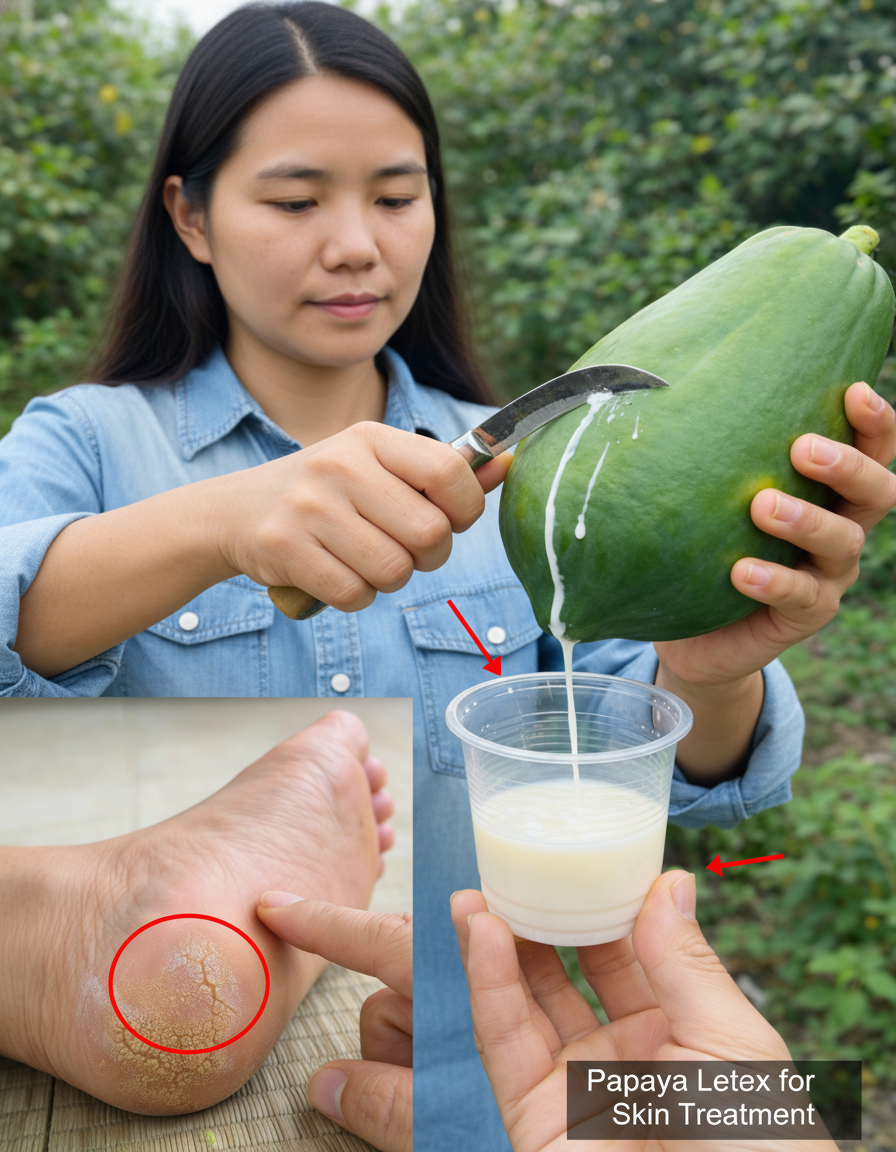
- Choose the Right Fruit: Opt for semi-ripe papayas, as they yield the most accessible sap. Always ensure the fruit is thoroughly washed before handling.
- Careful Extraction: Gently score the fruit’s surface with a clean knife and collect only a small quantity of the milky sap. It is highly recommended to wear gloves during this process to prevent potential skin irritation.
- Dilute and Mix: Due to its strength, always dilute a very small amount of sap. It can be blended into smoothies or used sparingly in marinades, which helps to temper its potency while still allowing for its enzymatic benefits.
- Observe Your Body’s Reaction: Start with an extremely small dose and closely monitor your body’s response over several days. This allows you to gauge your individual tolerance.
Please note that the information provided here is for general guidance only. For tailored health advice, especially if you have pre-existing conditions, always consult with a qualified healthcare professional. For less direct methods, consider the benefits of ripe papaya fruit or papaya leaf teas.
Traditional Applications and Modern Papaya Solutions
Across diverse cultures, papaya has long been a staple in recipes aimed at supporting digestive health. A classic example from India involves brewing papaya leaf tea, revered for its gut-supportive properties. To prepare this traditional remedy: simply boil fresh papaya leaves in water for approximately 10 minutes, then strain the liquid and enjoy it warm. In contemporary times, the convenience of papaya enzyme chews offers a modern alternative, readily available as over-the-counter supplements.
Here’s a comparative overview of different methods for incorporating papaya into your wellness routine:
| Method | Ease of Use | Potential Benefits | Precautions |
|---|---|---|---|
| Raw Papaya Sap | Moderate | Potent, direct enzymatic action | Risk of skin irritation; strong concentration |
| Ripe Papaya Fruit | Easy | Rich in fiber, vitamins, and antioxidants | Generally safe; no significant precautions |
| Papaya Leaf Tea | Simple | Gentle digestive support; infusion of beneficial compounds | Potential for allergic reactions; ensure proper preparation |
| Papaya Enzyme Supplements | Convenient | Standardized dosage of papain and other enzymes | Always consult a healthcare provider before starting any new supplement regimen |
This array of options provides flexibility. Which approach best aligns with your preferences and lifestyle?
Important Considerations and Potential Side Effects
While the benefits of papaya and its sap are promising, it’s crucial to acknowledge that it may not be suitable for everyone. Individuals with known latex allergies, for instance, could experience adverse reactions to papaya sap due to shared allergenic proteins. Furthermore, pregnant women and those with pre-existing medical conditions should exercise extreme caution and always consult a healthcare professional before considering its use. It’s vital to understand that while papaya offers significant potential, it is not a universal solution for digestive issues. Paying close attention to your body’s individual response is paramount. Although the World Health Organization acknowledges papaya’s general safety when consumed as food, specific applications of its sap warrant careful consideration and professional guidance, particularly for therapeutic purposes.