 By admin
 An enlarged prostate, medically known as benign prostatic hyperplasia (BPH), is a common concern for many men as they age, typically affecting individuals over 50 and a significant majority by their 80s. This condition often manifests through disruptive urinary issues such as frequent nighttime urination (nocturia), a weakened urine stream, or the persistent sensation of incomplete bladder emptying. These symptoms can severely impact sleep quality and daily activities, leading to feelings of fatigue, frustration, and a diminished ability to fully enjoy life without constant worry.
The encouraging news is that strategic dietary choices can play a pivotal role in maintaining prostate wellness. Emerging research highlights specific fruits rich in beneficial compounds that may help alleviate some of the discomfort associated with age-related prostate changes. In this article, we’ll delve into the remarkable benefits of one particular fruit—the versatile tomato—and introduce four other complementary options that offer promising nutrients for comprehensive prostate support. Interestingly, among common fruits, one stands out for delivering exceptionally high levels of a crucial antioxidant when prepared in specific ways, making it a simple yet powerful addition to your daily regimen. Continue reading to discover why tomatoes consistently feature prominently in scientific studies, along with practical methods to incorporate these health-boosting fruits into your diet.
Understanding Prostate Enlargement and Why Diet Matters
As men mature, the prostate gland—a small, walnut-sized organ situated just below the bladder—naturally tends to increase in size. This growth can exert pressure on the urethra, the tube that carries urine from the bladder out of the body, leading to a range of lower urinary tract symptoms (LUTS). These often include increased urgency, a hesitant or weak urinary flow, and nocturia. Data from reputable organizations like the American Urological Association indicate that these symptoms affect a substantial portion of men over 50, profoundly impacting their sleep patterns and overall quality of life.
While conventional medications and lifestyle adjustments are effective for many, an increasing number of men are exploring natural, supportive approaches. A growing body of research points to the significant influence of diet, particularly foods abundant in antioxidants and anti-inflammatory compounds, in promoting long-term prostate health. These vital nutrients may help counteract factors such as oxidative stress and chronic low-grade inflammation, both of which contribute to prostate changes over time. Observational studies and preliminary clinical trials suggest that a consistent intake of certain nutrient-dense fruits could support improved urinary comfort and favorable prostate biomarkers.
The Leading Contender: Tomatoes and Their Key Compound
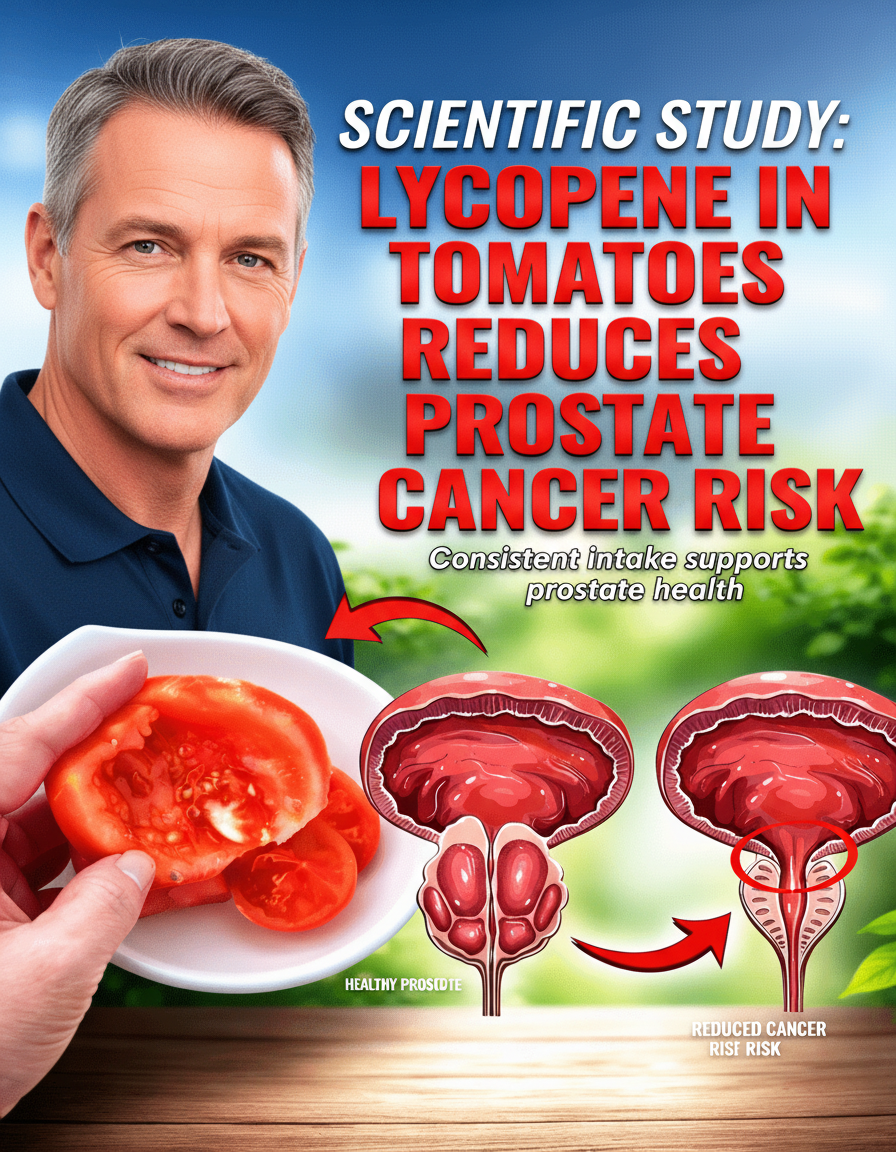
Tomatoes are consistently highlighted in scientific literature as a top-tier food for prostate support, primarily due to their rich concentration of lycopene. This potent carotenoid antioxidant is uniquely absorbed more efficiently by the body when tomatoes are cooked or processed.
Enhanced Lycopene Bioavailability for Cellular Support
Lycopene exhibits a remarkable ability to accumulate in prostate tissue, where it acts as a powerful antioxidant, actively neutralizing free radicals and combating oxidative stress. A notable pilot trial published in The Journal of Nutrition demonstrated that a daily intake of 15 mg of lycopene (easily obtainable from servings of tomato products) was associated with stable prostate size and improved symptom scores over a six-month period, a stark contrast to placebo groups where prostate enlargement continued.
Anti-Inflammatory Benefits
Chronic, low-grade inflammation is recognized as a contributing factor to age-related prostate changes. Lycopene and other synergistic compounds found in tomatoes may play a crucial role in moderating this inflammatory process, as consistently noted in comprehensive reviews of prostate health research.
Potential for Favorable Prostate Markers
Observational data and smaller clinical investigations link regular consumption of tomatoes to beneficial shifts in PSA (prostate-specific antigen) levels and a reduction in urinary symptoms. This suggests a supportive role for tomatoes in long-term prostate wellness. Anecdotal reports from men who regularly incorporate cooked tomato products, such as sauces or roasted varieties, often describe gradual improvements in urinary flow and fewer nighttime disruptions, though individual responses can vary.
Pro Tip: To maximize lycopene absorption, always cook tomatoes with a small amount of healthy fat, such as olive oil. This simple trick can boost your body’s uptake of lycopene by an impressive 3 to 5 times!
Four Complementary Fruits to Cultivate a Prostate-Friendly Diet
While tomatoes hold a leading position, incorporating these four additional fruits can provide synergistic benefits through their diverse nutritional profiles, helping you build a comprehensive prostate-friendly plate.
- Watermelon: This refreshing fruit is an excellent source of citrulline, an amino acid that the body converts into nitric oxide, supporting healthy blood flow. It also contains lycopene and boasts a high water content, promoting gentle hydration. Watermelon may contribute to improved circulation in the pelvic area without causing additional pressure.
- Papaya: Offering a rich blend of lycopene, vitamin C, and beneficial enzymes, papaya provides robust antioxidant protection. Its soluble fiber content also aids in promoting digestive regularity and reducing straining, which can indirectly benefit prostate comfort.
- Avocado: A powerhouse of monounsaturated fats and beta-sitosterol, avocado is known for its potential to support hormonal balance and soothe mild inflammation. These components contribute to overall cellular health and prostate function.
- Blueberries: These small but mighty berries are packed with anthocyanins and a broad spectrum of other antioxidants. They are crucial for defending cells against oxidative damage and supporting overall cellular vitality, making them a valuable addition to any prostate-supportive diet.