 By admin
 Is Mixing Petroleum Jelly with Salt a Good Addition to Your Evening Skincare Routine?
Battling dry, rough, or tight-feeling skin is a common challenge for many, particularly as seasons change or temperatures drop. This persistent dryness can diminish skin’s natural radiance and suppleness, often leading to uncomfortable irritation or visible flakiness. While the market offers an abundance of advanced moisturizing solutions, a growing number of individuals are exploring accessible, at-home remedies using everyday ingredients. Among these DIY methods, the combination of petroleum jelly and a touch of salt has gained traction as a potential solution for enhanced skin hydration and texture. This comprehensive guide will delve into the science behind this popular duo, evaluate its potential benefits for achieving smoother skin, provide a step-by-step application method, and outline crucial safety considerations for incorporating it into your evening skincare regimen.
The Enduring Appeal of Petroleum Jelly in Skincare
For decades, petroleum jelly, widely recognized by brand names such as Vaseline, has remained a cornerstone in personal care for its remarkable ability to soothe and protect skin. Its primary mechanism involves acting as an occlusive barrier; it creates a sealed layer on the skin’s outermost surface, effectively preventing transepidermal water loss and sealing in vital moisture. Esteemed organizations like the American Academy of Dermatology frequently endorse its use for reinforcing the skin’s natural protective barrier, especially beneficial for areas prone to dryness or irritation. Skincare professionals commonly suggest its application to maintain softness and provide a shield against environmental stressors, particularly on notoriously dry zones like elbows, heels, and lips. When applied to freshly cleansed, slightly damp skin, it can significantly boost overnight hydration, making it an invaluable, multi-purpose component of various skincare practices.
Understanding Salt’s Contribution to Skin Exfoliation
Beyond its culinary uses, salt, particularly in its fine-grained forms such as sea salt or common table salt, is a popular ingredient in homemade skincare scrubs. Its naturally abrasive texture offers a gentle method of physical exfoliation. The tiny crystals work to delicately buff away accumulated dead skin cells from the skin’s surface, revealing a fresher and smoother complexion underneath. Research into natural exfoliants often supports the idea that mild mechanical removal of cellular debris can noticeably enhance skin texture and luminosity. While salt also contains various trace minerals, their direct topical benefits for skin balance are largely supported by anecdotal evidence rather than extensive scientific studies. Nevertheless, when thoughtfully combined, these two ubiquitous household items form an intriguing blend for at-home skincare.
The Synergy: How Petroleum Jelly and Salt Work in Tandem
When a small quantity of salt is thoroughly mixed into petroleum jelly, the result is a unique, textured paste. In this blend, the petroleum jelly serves as a rich, hydrating foundation, offering its renowned barrier-protective qualities. Concurrently, the salt introduces a gentle exfoliating action. When applied with care, this combination can effectively:
- Diminish surface dullness by gently lifting away dead skin cell accumulation.
- Enhance and sustain moisture levels in the skin, especially beneficial post-exfoliation.
- Provide an economical and straightforward option for occasional skin rejuvenation.
Anecdotal reports frequently highlight that individuals experience noticeably softer and smoother skin by the following morning when this mixture is applied judiciously to areas like the body or particularly rough patches. It’s generally advised to avoid applying this blend to the more delicate facial skin. To illustrate the distinct advantages, consider this comparison:
- Petroleum Jelly Solo: Highly effective for sealing in moisture, yet lacks exfoliating properties.
- Salt Solo: Excellent for scrubbing, but can leave skin feeling dry without subsequent moisturizing.
- The Combination: Delivers mild exfoliation alongside integrated hydration and skin barrier support.
This accessible and versatile pairing has garnered significant popularity within the DIY skincare community due to its perceived efficacy and ease of preparation.
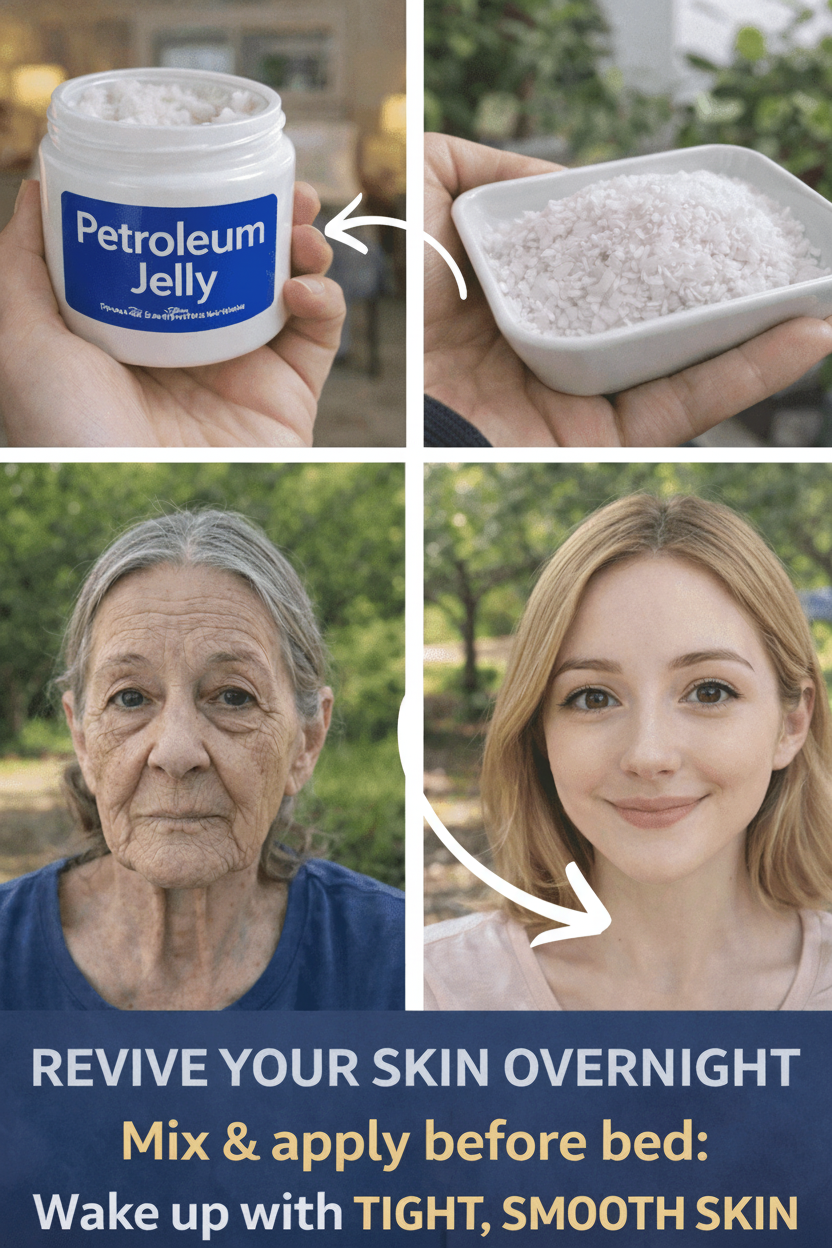
Your Guide to Safely Trying the Petroleum Jelly and Salt Scrub at Home
For those interested in integrating this unique treatment into their evening skincare ritual, adherence to these practical steps is crucial for a safe and effective experience:
- Prepare Your Skin: Begin by thoroughly cleansing the target area with a mild, pH-balanced cleanser. Gently pat the skin dry, ensuring it remains slightly damp. This slight dampness optimizes moisture absorption.
- Assemble Your Components: You’ll need pure petroleum jelly (such as Vaseline Original) and a fine-grained salt. Opt for finely milled salt over coarse varieties to prevent skin abrasion or micro-tears.
- Precision Mixing: In a small, clean container, combine approximately 1 to 2 teaspoons of petroleum jelly with a modest pinch (around ½ teaspoon or less) of fine salt. Stir diligently until the mixture achieves a consistently gritty yet easily spreadable paste-like consistency.
- Gentle Application: Using clean fingertips or a soft applicator, delicately massage the paste onto dry skin areas, such as the arms, legs, or feet, employing light, circular motions. It is imperative to steer clear of highly sensitive zones, open wounds, or the delicate skin around the eyes.
- Duration and Rinsing: For body application, you may apply the mixture before bedtime and rinse it off with lukewarm water the following morning, if preferred. On exceptionally dry or rough patches, a very thin layer can be left on overnight for intensified hydration.
- Post-Treatment Care: Upon waking, thoroughly rinse the treated area with lukewarm water. Follow with your preferred daily moisturizer, especially if your skin tends to be dry. Limit this treatment to a maximum of 1-2 times per week to prevent potential over-exfoliation, which can lead to irritation.
However, before fully committing to this DIY method, there are critical safety tips and precautions to consider for optimal skin health.
Essential Safety Tips and Precautions for Your Skin’s Well-being
Despite the appealing simplicity and perceived benefits of this petroleum jelly and salt mixture, it is crucial to acknowledge that it may not be appropriate for all skin types. Salt, by its very nature, can be abrasive, and excessive or vigorous application can potentially lead to micro-tears, redness, or irritation, particularly on thin, delicate, or sensitive skin. Conversely, while petroleum jelly is generally considered non-comedogenic for most, individuals with acne-prone skin or those prone to clogged pores might find that its occlusive nature traps oils and debris, potentially exacerbating breakouts.
To ensure a safe and positive experience, keep these vital considerations in mind:
- Always Perform a Patch Test First: Before applying the mixture to a larger area, test a small, inconspicuous patch of skin (e.g., behind the ear or on the inner arm). Wait 24-48 hours to observe for any adverse reactions like redness, itching, swelling, or irritation. If any reaction occurs, discontinue use immediately.
- Avoid Facial Skin: The skin on the face is typically much thinner and more sensitive than body skin. The exfoliating action of salt, even fine salt, combined with the occlusive nature of petroleum jelly, can be too harsh and may lead to irritation or clogged pores on the face.
- Do Not Apply to Broken or Irritated Skin: Never use this scrub on skin that has cuts, abrasions, sunburn, eczema, or any other form of irritation, as this can worsen the condition and cause significant discomfort.
- Listen to Your Skin: If you experience any stinging, burning, or discomfort during or after application, rinse the product off thoroughly and discontinue use.
- Consult a Dermatologist: If you have pre-existing skin conditions, extremely sensitive skin, or are unsure about introducing new DIY treatments into your routine, it is always best to consult with a dermatologist or a qualified skincare professional.
Final Thoughts on DIY Skincare
The blend of petroleum jelly and salt offers an intriguing, accessible, and potentially beneficial option for those seeking to enhance skin smoothness and hydration through a DIY approach. By combining the powerful occlusive properties of petroleum jelly with the gentle exfoliating action of fine salt, users can target dry, rough patches and promote a softer, more refined skin texture. However, as with any at-home treatment, understanding the nuances of application, respecting individual skin sensitivities, and prioritizing safety are paramount. When used judiciously and with proper precautions, this simple duo might just become a valued, occasional addition to your evening skincare routine, helping you achieve that coveted smooth, supple feel.