 By admin
 Unlocking Stronger Bones: The Age-Defying Benefits of Green Tea Powder, Especially Matcha
As we navigate the journey of aging, many of us become more attuned to the subtle shifts in our physical well-being. Concerns about mobility, joint stiffness, and the overall resilience of our skeletal system often emerge, particularly as we approach and pass the age of 50. This is a critical period when natural bone density can begin its gradual decline, potentially making everyday movements feel less secure and increasing the risk of falls or fractures.
However, maintaining robust bone health doesn’t have to be a daunting challenge. Integrating simple, health-conscious habits into your daily life can offer significant support. Among these, the unassuming ritual of enjoying a cup of green tea has garnered considerable attention. Emerging research indicates that the unique compounds found in green tea, particularly in its concentrated form as matcha powder, may provide valuable protective benefits for both bones and joints. This article delves into why green tea, and especially matcha, could be a powerful ally in your quest for stronger bones as you age, revealing a key advantage of matcha that often goes unnoticed.
The Critical Role of Bone Health as We Age
Our bones are far from inert structures; they are dynamic, living tissues constantly undergoing a process of breakdown and renewal known as remodeling. This intricate balance is essential for maintaining their strength and integrity. Yet, as individuals move past their fifth decade, this equilibrium can often tip, leading to a gradual reduction in bone mineral density. This decline can heighten the susceptibility to various skeletal issues, including debilitating fractures, with hip fractures being a particularly serious concern for older adults.
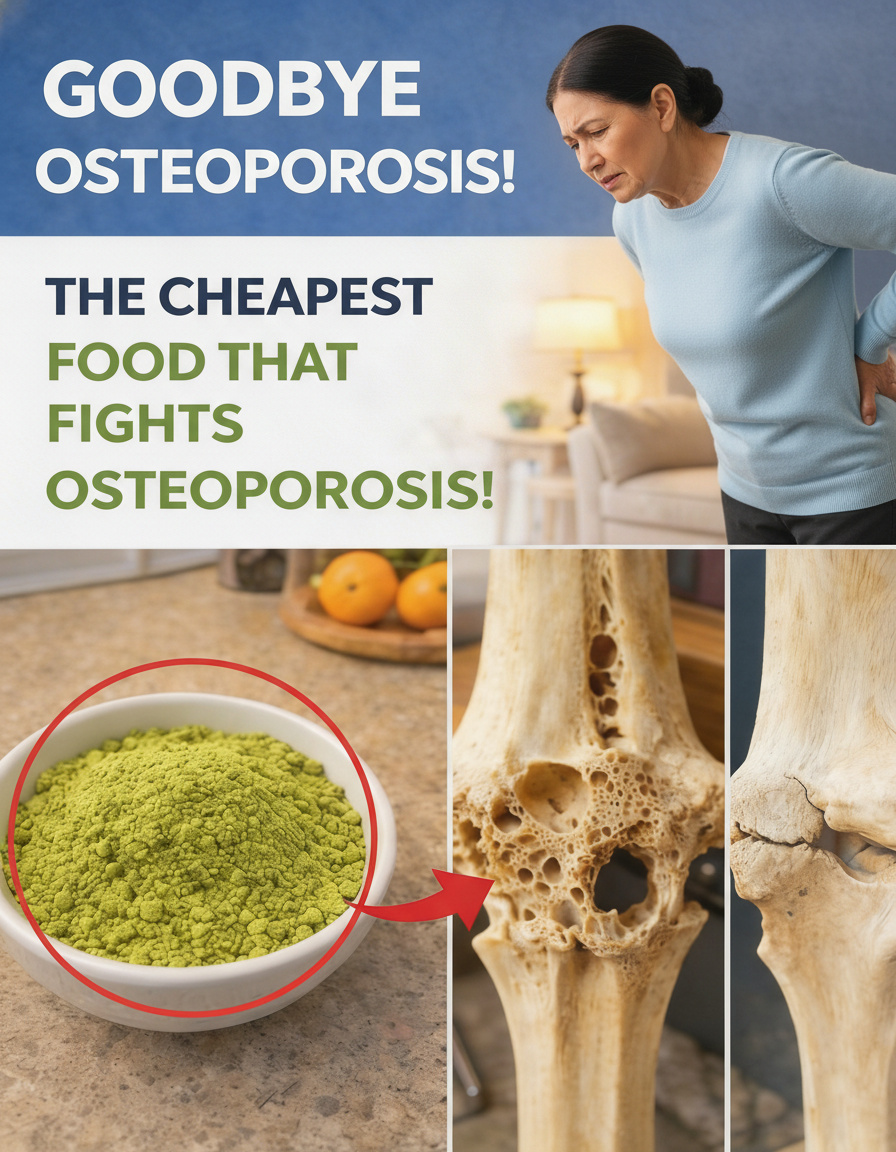
Scientists have extensively investigated how various lifestyle factors can influence this vital process. A consistent theme in this research points to the benefits of regularly consuming antioxidant-rich foods and beverages. This is where green tea powder, including the highly prized matcha, enters the spotlight. These teas are brimming with potent bioactive compounds, prominently featuring catechins—most notably epigallocatechin gallate (EGCG). Beyond these powerful antioxidants, green tea also contains trace amounts of essential minerals such as fluoride, magnesium, and calcium. Together, these constituents work synergistically to bolster overall bone health by safeguarding bone cells from the damaging effects of oxidative stress and actively supporting the natural processes of bone formation and maintenance.
Evidence-Based Support for Bone Strength
Mitigating the Risk of Hip Fractures in Seniors
A compelling body of research underscores the potential of regular green tea intake in reducing the incidence of fractures. Numerous observational and population-based studies have identified a significant correlation between consistent green tea consumption and a decreased risk of bone fractures. For example, some investigations have highlighted that individuals who routinely consume approximately three cups of green tea daily may experience a substantial reduction in their risk of hip fractures when compared to those who do not drink green tea. One comprehensive analysis even suggested a potential benefit of up to a 30% lower risk for adults over 50 who maintained this consistent habit. This protective effect is largely attributed to the intricate interplay of green tea’s bioactive compounds, which are believed to play a crucial role in preserving bone structure and density over the long term.
Anti-Inflammatory Action for Enhanced Joint Comfort
Beyond direct bone support, chronic inflammation is a well-known contributor to joint discomfort and degradation, particularly as we age. Green tea’s most celebrated catechin, EGCG, has been the subject of extensive scientific inquiry regarding its capacity to modulate inflammatory pathways. Studies conducted in laboratory and animal models suggest that EGCG