 By admin
 Unlocking the Ancient Secret: How Holy Basil (Tulsi) Can Enhance Your Oral Care Routine
Despite your diligent efforts with brushing and flossing, have you noticed a less-than-fresh breath or a persistent tenderness in your gums? These subtle changes can make you self-conscious, perhaps even causing you to shy away from conversations with loved ones. It’s a common experience, particularly for many adults as they age, who often feel a quiet embarrassment about these evolving oral health concerns. Too often, minor symptoms are dismissed as an inevitable part of the aging process.
But what if a gentle, natural solution could seamlessly integrate into your daily dental hygiene, offering additional support without ever replacing professional dental advice? This article will introduce you to tulsi, also known as holy basil—an revered herb with a rich history of traditional use—and reveal how it might beneficially supplement your existing oral care regimen. Stick around to discover a unique application for this remarkable plant!
🌿 Understanding Tulsi (Holy Basil): A Revered Herb
While you might be familiar with the sweet, aromatic scent of common basil in a culinary garden, tulsi (pronounced tool-see) offers a distinct profile. Also known as holy basil, this unique variety has been a cornerstone of traditional wellness practices throughout South Asia for centuries. It’s crucial to emphasize that tulsi is not a miraculous remedy; rather, it has been historically appreciated for its contributions to:
- Gentle soothing sensations
- Natural aromatic benefits
- Holistic traditional health rituals
Emerging research indicates that the naturally occurring compounds found within tulsi leaves possess intriguing properties. These attributes may contribute to enhanced overall oral comfort, especially when integrated into a consistent daily regimen of brushing and flossing.
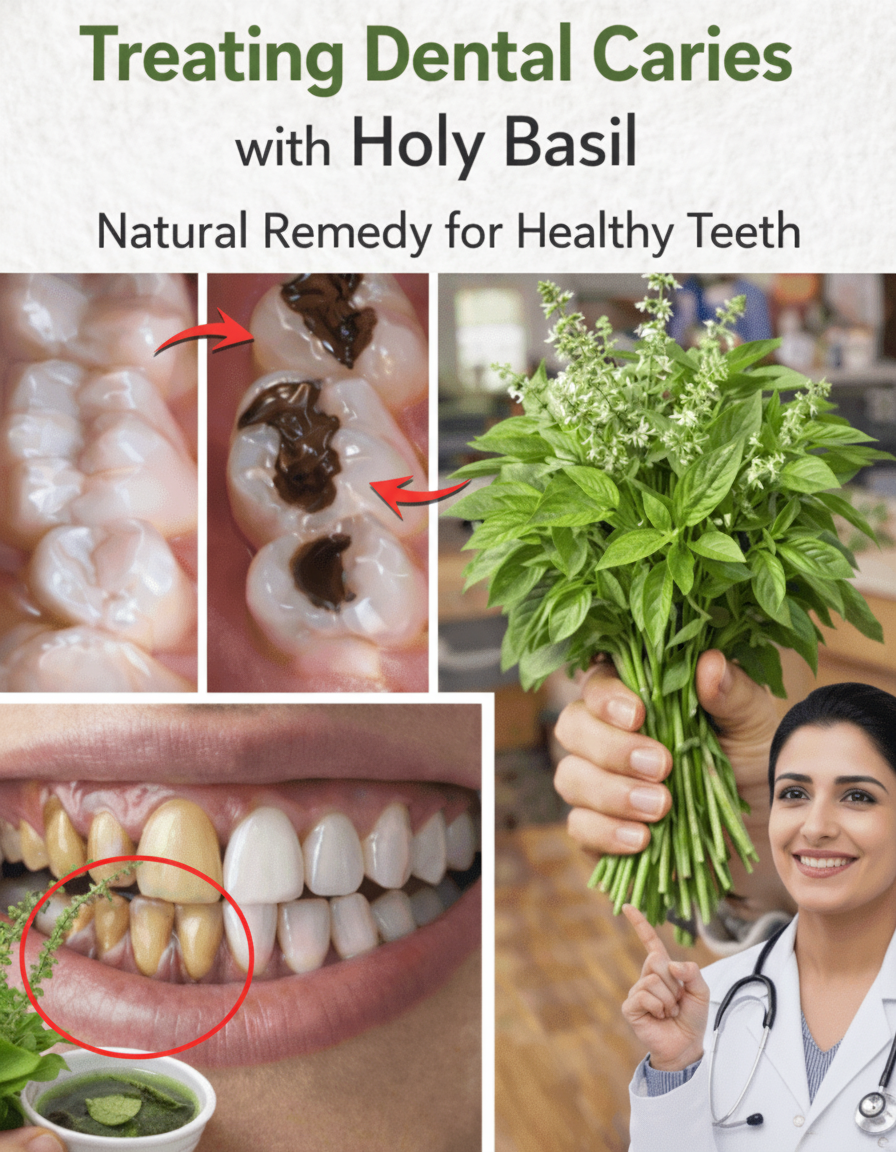
Tulsi vs. Common Basil: A Distinctive Comparison
| Attribute | Tulsi (Holy Basil) | Sweet/Common Basil |
|---|---|---|
| Primary Application | Holistic wellness, spiritual ceremonies | Gourmet cooking, aromatic enhancement |
| Fragrance Profile | Robust, subtly pungent/peppery | Mild, distinctly sweet |
| Key Compounds | Rich in Eugenol, Rosmarinic Acid, Polyphenols | Generally lower concentrations |
| Typical Usage | Herbal mouth rinse, supportive aid | Flavoring dishes, garnishes |
As this comparison highlights, while sharing a family name, these basil varieties serve markedly different purposes.
🌱 How Tulsi Can Augment Your Oral Care Regimen (Not Substitute It)
It is vital to state unequivocally: tulsi cannot repair tooth decay or cure periodontal disease. The diagnosis and treatment of such conditions must always come from