 By admin
 Unlocking the Power of Licorice Root: Ancient Wisdom for Modern Digestive and Liver Wellness
In our modern, fast-paced lives, many of us frequently encounter common digestive woes like bloating, indigestion, or concerns about maintaining optimal liver function. These everyday discomforts can leave you feeling sluggish, disrupt your routine, and even cast a shadow over your long-term health goals.
What if there was a natural, time-honored solution, embraced by ancient civilizations for centuries, that could offer gentle yet effective support? Prepare to delve into the remarkable world of licorice root – a botanical treasure celebrated for its profound impact on wellness. Stay with us until the end to discover a simple, yet potent combination that could seamlessly enhance your daily health regimen.
What is Licorice Root (Glycyrrhiza glabra)?
Scientifically identified as Glycyrrhiza glabra, licorice root is much more than just a sweet flavoring. This perennial herb, indigenous to regions across Europe and Asia, boasts a rich history spanning thousands of years in various traditional healing practices, including Ayurveda and Traditional Chinese Medicine (TCM).
While its distinctive sweet taste is widely recognized in confections and herbal teas, the true power of this herbal remedy lies within its potent compounds. Key among these are glycyrrhizin and a variety of flavonoids, which are responsible for its celebrated therapeutic properties. Modern scientific inquiry is increasingly focused on these bioactive elements, particularly their significant antioxidant properties, which play a crucial role in neutralizing harmful free radicals and supporting overall cellular health.
Key Potential Benefits of Licorice Root
For generations, herbalists and wellness enthusiasts have cherished licorice root for its diverse contributions to overall health. Let’s explore some of the primary areas where this versatile herb may offer valuable support, drawing insights from both ancient wisdom and contemporary research.
1. Supporting Liver Function
Within traditional herbal systems, licorice root frequently appears in formulations designed to promote liver wellness. Emerging research suggests that its powerful anti-inflammatory and antioxidant compounds could be instrumental in bolstering the liver’s natural detoxification processes and protective mechanisms. For instance, a notable study indicated that supplementation with licorice root led to improvements in liver enzymes and a reduction in hepatic steatosis (fatty liver) in women diagnosed with nonalcoholic fatty liver disease.
This finding resonates with countless traditional accounts highlighting its benefits for those concerned with liver conditions. It’s important to note that while the extent of evidence can vary, specific compounds like glycyrrhizin have demonstrated hepatoprotective (liver-protecting) activity in various animal models and cell-based studies. However, these findings should always complement, not replace, professional medical advice from a qualified healthcare provider.
2. Enhancing Digestive Health
Licorice root boasts a long-standing reputation for its ability to soothe minor digestive discomforts. It is traditionally believed to create a protective, gel-like layer over the stomach lining, which may help mitigate irritation from everyday factors and promote comfort. Furthermore, scientific investigations suggest that licorice root can stimulate bile production, a vital process that aids in the more efficient breakdown and absorption of fats, thereby facilitating smoother digestion.
A comprehensive review highlighted licorice’s historical use in addressing various gastrointestinal issues, including peptic ulcers, by enhancing mucus secretion and exerting anti-inflammatory effects within the gut. Its multifaceted benefits for digestion include:
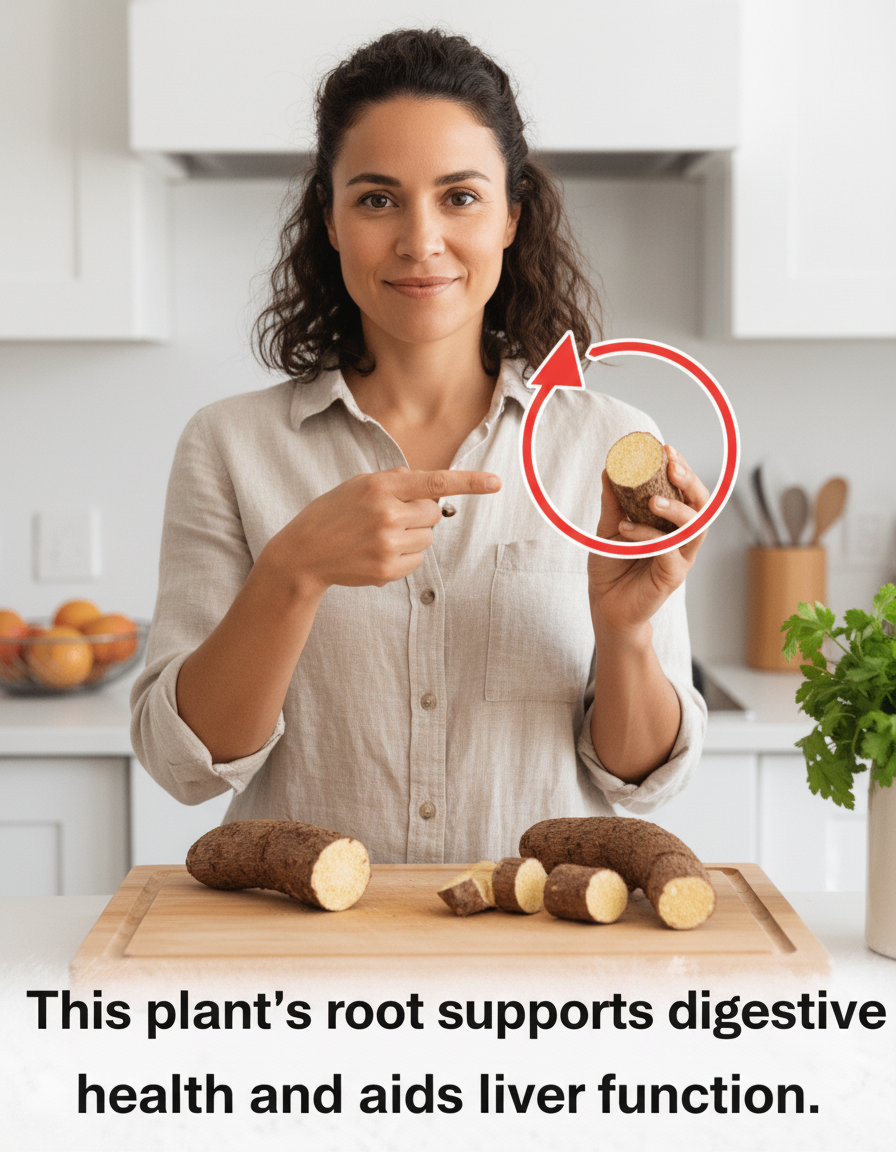
- Protective Barrier: Helps form a comforting layer on the stomach and intestinal lining.
- Bile Stimulation: May improve fat digestion and nutrient absorption.
- Anti-Inflammatory Action: Compounds work to reduce oxidative stress and inflammation in the gastrointestinal tract.
Unlike many other potent herbs, licorice stands out due to its naturally sweet flavor, making it a pleasant addition to teas and herbal preparations.
3. Additional Wellness Benefits
Beyond its targeted support for digestion and liver health, licorice root contributes to overall vitality through its robust antioxidant profile. These antioxidants actively neutralize damaging free radicals throughout the body, helping to protect cells and tissues from oxidative stress, which is linked to various chronic conditions.
Moreover, preliminary research suggests broader roles for licorice root, including potential immunoregulatory and anti-fibrotic activities. While more extensive human studies are needed to fully understand these mechanisms, these findings underscore its versatility as a holistic herb, often incorporated into comprehensive wellness strategies. It’s also frequently combined with other natural ingredients like ginger or honey to potentially amplify its effects in traditional remedies.
How to Safely Incorporate Licorice Root into Your Routine
Integrating licorice root into your daily wellness regimen can be a simple and rewarding process. Always begin with modest amounts and observe how your body responds.
Traditional Preparation Methods
One of the most popular and gentle ways to enjoy the benefits of licorice root is by brewing it as a tea. This method effectively extracts its beneficial compounds. Here’s a straightforward guide to preparing your own licorice root tea at home:
- Gather 1-2 teaspoons of dried licorice root pieces.
- Bring 8 ounces (approximately 240 ml) of fresh water to a boil in a small pot.
- Add the licorice root to the boiling water, then reduce heat and simmer gently for 5-10 minutes.
- Strain the liquid to remove the root pieces, and enjoy your warm tea. You may add a touch of honey for extra sweetness, if desired.
For convenience, licorice root is also available in various supplemental forms, such as capsules or powders. When opting for supplements, always adhere strictly to the dosage instructions provided on the label and prioritize reputable brands known for quality and purity.
Actionable Tips for Integration
Ready to explore the benefits of this ancient herb? Here are some practical steps to get started:
- Start Gradually: Begin with just one cup of licorice root tea daily to assess your body’s reaction and tolerance.
- The Potent Combination: As promised, for enhanced digestive comfort, consider combining licorice root with fresh ginger. Simply boil both ingredients together for about 10 minutes when preparing your tea.
- Monitor Your Well-being: Keep a simple journal to track how you feel after a week or two of consistent use. Note any positive changes or observations.
- Always Consult a Professional: Before introducing any new herbal remedy, especially if you have pre-existing health conditions, are pregnant, breastfeeding, or taking medications, it is crucial to consult with a healthcare professional or a qualified herbalist. Licorice root, particularly glycyrrhizin, can interact with certain medications and may affect blood pressure in some individuals.