 By admin
 Picture stepping into your backyard on a warm evening, only to spot tiny reddish-brown insects scurrying across patio furniture or hiding in garden cushions. A wave of concern washes over you as you wonder if these unwelcome guests are turning your peaceful outdoor retreat into a source of stress. The frustration often intensifies when viral online tips promise instant solutions, leaving you unsure of what truly works without causing further complications. But here’s a crucial insight: by the end of this article, you will uncover surprising truths about these pests that could fundamentally shift your approach to maintaining your outdoor living spaces.
The Surprising Reality: Bed Bugs Aren’t Garden Dwellers
Bed bugs, scientifically known as Cimex lectularius, are predominantly indoor pests. Their survival hinges on regular blood meals from humans, making them highly adapted to living in close proximity to people. Consequently, they do not typically establish colonies in outdoor environments such as grass, soil, or flower beds, unlike common garden insects like ants or mosquitoes. However, this isn’t to say they are never found outdoors.
These resilient insects can sometimes appear outside when they are displaced from their primary indoor habitats. For instance, they might hitch a ride on old furniture items moved outdoors, cling to clothing or personal belongings from an active indoor infestation, or even migrate from a severely infested neighboring property, especially during warmer periods. Research from reputable entomology experts, including those at the University of Kentucky’s extension service, indicates that sheltered outdoor areas—such as underneath patio cushions, within stored planters, or in cracks of wooden structures—can provide temporary refuge. This means that any bed bugs you observe in your garden are usually transient individuals or a few stragglers, rather than evidence of a thriving outdoor colony. Understanding this distinction is key to avoiding unnecessary panic, as true outdoor infestations are exceedingly rare. Knowing the circumstances of their appearance allows for more targeted and effective management.
Debunking Common Myths: Why Quick Fixes Fall Short for Outdoor Bed Bugs
You’ve likely encountered numerous online suggestions advocating for immediate solutions to eliminate bed bugs from your garden, such as pouring boiling water, spraying vinegar, or applying various powders. While these ideas are appealing, especially when seeking a rapid remedy, their effectiveness is often limited.
It’s true that direct exposure to extreme heat, like boiling water at 212°F (100°C), or concentrated acetic acid found in vinegar, can indeed harm or kill individual bed bugs on contact. However, the practical application of these methods outdoors presents significant challenges. These remedies only affect pests that are directly visible and accessible, which is difficult in an outdoor setting where bed bugs can quickly scatter and hide in crevices. Furthermore, their eggs and young nymphs often survive such superficial treatments, leading to re-emergence. Applying these substances extensively can also pose risks to your garden plants, outdoor furniture, and the delicate balance of your soil’s ecosystem. Leading pest management organizations, such as the National Pest Management Association, consistently emphasize that no single natural remedy offers a guaranteed, complete eradication within minutes for any noticeable presence of bed bugs. Many claims of “instant” success stem from anecdotal evidence or incomplete understanding. While laboratory studies confirm that sustained heat above 118-120°F (48-49°C) is lethal, achieving and maintaining this temperature uniformly across an outdoor area without specialized equipment is practically impossible. Similarly, vinegar may repel or impact bugs on direct contact, but it lacks the penetrative power to reach deep into hidden harborage sites.
Proactive Strategies for Managing Bed Bugs in Outdoor Spaces
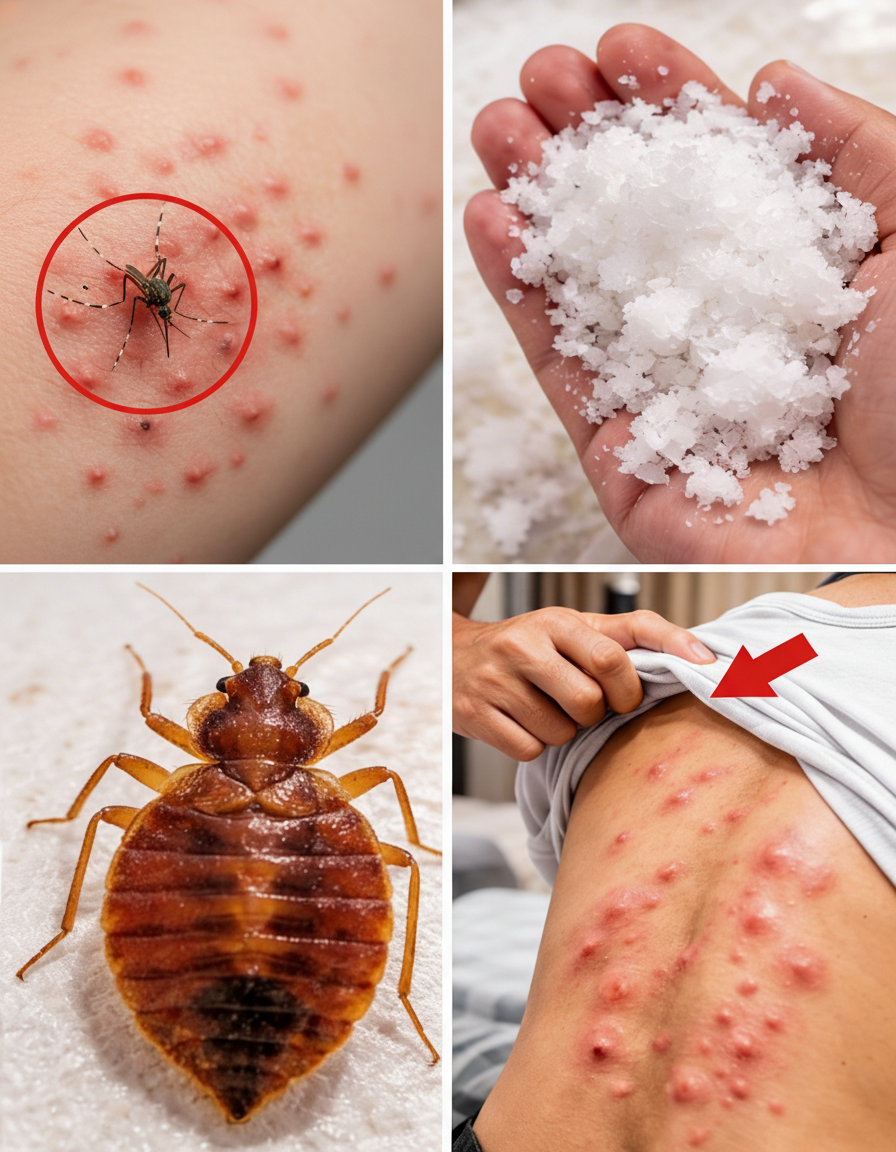
Instead of relying on unproven remedies, focus on practical, expert-backed strategies involving removal, prevention, and consistent monitoring. These approaches effectively address visible pests while safeguarding your outdoor environment. The first crucial step is accurate identification: bed bugs are small, oval-shaped, and reddish-brown, typically leaving behind tiny dark fecal spots or shed exoskeletons as tell-tale signs. Distinguishing them from other common garden insects is vital for appropriate action.
Step 1: Targeted Spot Treatment for Visible Pests
If you confirm the presence of bed bugs, take immediate, localized action using methods that minimize risks to your outdoor space:
- Careful Hot Water Application: Pour boiling water precisely over visible bed bugs found on hard, non-porous surfaces like patio stones, concrete, or metal furniture. This method can instantly eliminate adults and nymphs on contact without chemicals. Exercise extreme caution to avoid splashing or applying to plants, which can cause severe damage.
- Direct Vinegar Spray: Utilize undiluted white vinegar in a spray bottle. Apply it directly to visible bed bugs. The acetic acid can disrupt their systems within minutes, offering a readily available natural option, though it produces a strong, temporary odor. Its effect is limited to direct contact.
- Vacuuming and Immediate Disposal: Employ a shop vacuum to swiftly collect any visible bed bugs from outdoor cushions, crevices, or other accessible areas. After collection, promptly seal the vacuum bag in a sturdy plastic bag and dispose of it far from your home to prevent re-infestation. This provides instant reduction and is safe for most outdoor surfaces.
These targeted actions can significantly reduce the numbers of bed bugs observed in the open.
Step 2: Eliminate Potential Harborage Sites
Bed bugs, even outdoors, are drawn to cluttered and sheltered spots. Addressing these areas disrupts their temporary hiding places and reduces the likelihood of their presence:
- Declutter Outdoor Areas: Remove any unnecessary items from your patio, deck, or garden. This includes old furniture, stacked planters, unused garden tools, woodpiles, and general debris that can provide cracks and crevices for temporary shelter.
- Clean and Inspect Patio Furniture: Regularly vacuum cushions and upholstery of outdoor furniture. Wipe down frames, legs, and undersides, paying close attention to seams, zippers, and joints where bed bugs might hide. Consider encasing cushions in bed bug-proof covers if they are frequently stored outdoors.
- Seal Cracks and Gaps: Inspect outdoor wooden structures, decks, and even concrete slabs for cracks or gaps. Sealing these with appropriate caulk can eliminate potential temporary hiding spots.
- Proper Storage of Outdoor Items: Store seasonal items like outdoor decorations, cushions, and gardening supplies in sealed plastic containers when not in use. Avoid storing them in open boxes or piles where pests can easily access them.
- Maintain Garden Tidiness: While bed bugs don’t live in plants, a tidy garden reduces the overall pest pressure and makes it easier to spot and address any transient insects.
Ongoing Prevention and Vigilance
Maintaining a proactive approach is key to minimizing the chances of encountering bed bugs outdoors. Regularly inspect outdoor furniture, especially after hosting guests or retrieving items from storage. Exercise caution when acquiring used outdoor furniture or decorative items, thoroughly inspecting them before bringing them into your space. Most importantly, addressing any indoor bed bug issues promptly and professionally is the most effective way to prevent their accidental displacement into your outdoor living areas. By understanding their habits and implementing these practical steps, you can ensure your garden remains a relaxing sanctuary, free from unwanted surprises.
”
}
“`