 By admin
 Unmasking Liver Stress: 17 Key Indicators and Pathways to Natural Support
Liver health is a cornerstone of overall well-being, yet an alarming number of people are unknowingly grappling with liver stress. Recent research indicates that over 40% of adults in the U.S. might be affected by fatty liver disease, often without any clear symptoms. What begins as minor fatigue or occasional digestive upset can progressively impact daily vitality, metabolic function, and general health. The good news is that early identification of these potential warning signs, coupled with deliberate lifestyle modifications, can significantly bolster liver function. This comprehensive guide will explore 17 indicators that could signal an overburdened liver, delve into their underlying implications, and outline practical, accessible strategies to foster optimal liver wellness. Join us to discover insights and actionable steps that can seamlessly integrate into even the busiest schedules.
The Rising Reality of Fatty Liver: A Silent Concern for Many
Frequently dubbed a ‘silent’ ailment, fatty liver—now formally known as metabolic dysfunction-associated steatotic liver disease (MASLD)—is characterized by an excessive buildup of fat within liver cells. Initially, this condition often presents without any distinct symptoms. However, studies consistently link its development to various metabolic factors, including obesity, insulin resistance, and a sedentary lifestyle. If left unmanaged, MASLD can eventually lead to inflammation and more pronounced physical discomfort. It’s common for individuals in their thirties, forties, or later to experience subtle changes, often attributing them to the natural aging process or everyday stress. Medical professionals emphasize a crucial takeaway: proactive awareness combined with sustained healthy routines can profoundly influence and enhance liver function.
Why Awareness Matters: Spotting the Signs Before They Worsen
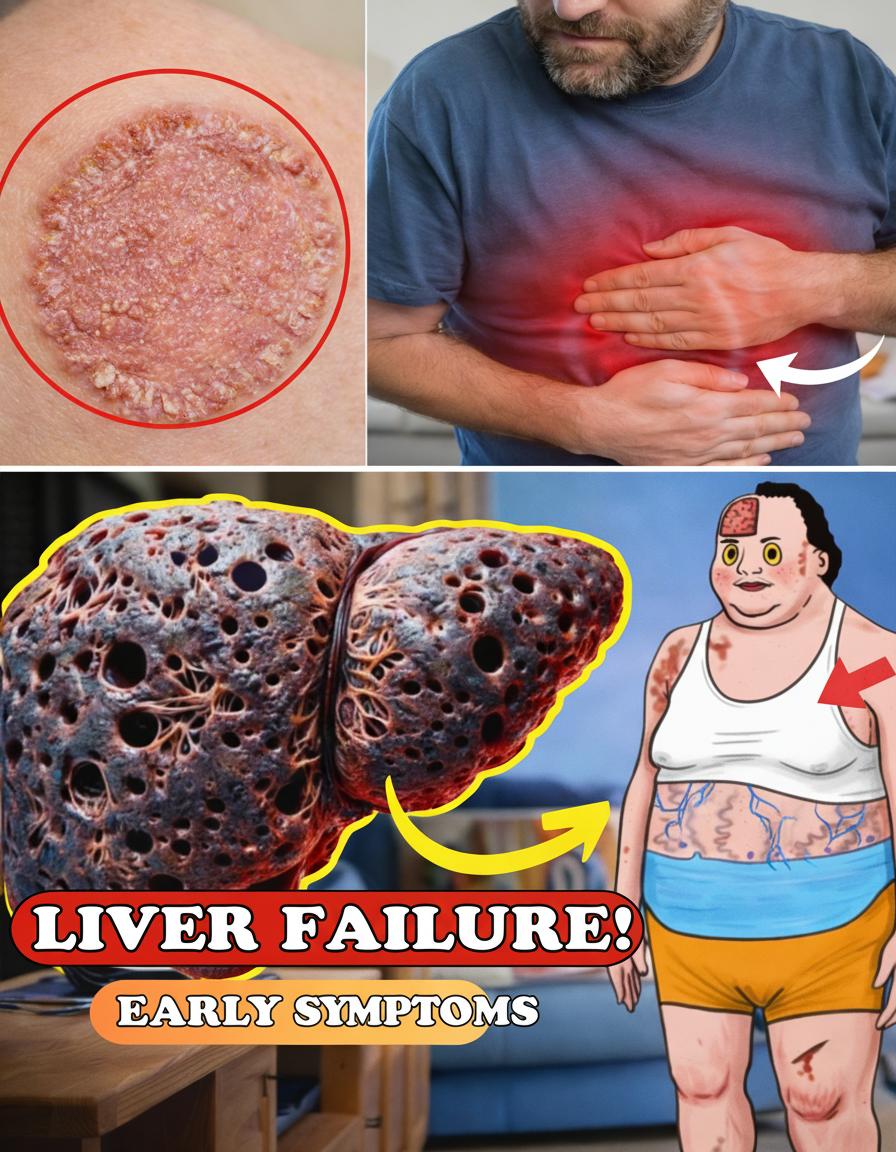
Our liver performs an indispensable role, diligently processing vital nutrients, neutralizing harmful toxins, and meticulously regulating the body’s energy supply. When this vital organ endures continuous strain, its initial distress signals frequently manifest in compromised digestion and diminished energy reserves. Yet, there’s significant encouragement: adopting lifestyle adjustments centered on balanced dietary choices, regular physical activity, and adequate restorative sleep represents some of the most scientifically supported methods for nurturing liver wellness. We will now explore 17 potential indicators, thoughtfully categorized into early and more advanced stages for enhanced understanding.
Early Indicators That May Emerge Initially
- Lingering Upper Abdominal Discomfort or Heartburn: A persistent burning sensation in the chest or a feeling of undue fullness post-meals is a common grievance. Research suggests a correlation between these digestive issues and hepatic fat accumulation, as inflammation can impede the body’s food processing capabilities.
- Unusual Gas and Bloating: Are you experiencing more frequent bloating or excessive gas than typical? An imbalance in gut flora and decelerated digestive processes are commonly observed among individuals with fatty liver concerns.
- Mild Ache or Pressure Beneath the Right Rib Cage: A subtle, continuous discomfort in the region of the liver (upper right abdomen) can arise if the organ becomes slightly enlarged, exerting pressure on adjacent tissues.
- Diminished Appetite or Post-Meal Queasiness: Foods previously enjoyed might suddenly become unappetizing, occasionally coupled with a mild sensation of nausea, particularly after eating.
- Chronic Fatigue Despite Sufficient Rest: Experiencing persistent exhaustion, mental fogginess, or a noticeable lack of energy, even after adequate sleep, is among the most frequently reported symptoms. The liver is pivotal in energy metabolism; thus, stress on this organ can leave you feeling perpetually depleted.
- Recurrent Mild Nausea: Sporadic bouts of mild queasiness, lacking an obvious cause, can hint at the liver’s diminished capacity to effectively manage toxins or bile. However, these are merely initial signs—more pronounced alterations may manifest as the condition advances.
Advanced Indicators Requiring Closer Attention
- Unusually Dark Urine (Resembling Tea or Cola): Urine that takes on a notably dark hue may signify the liver’s impaired ability to process bilirubin effectively.
- Pale or Whitish Nails: A loss of the natural pink color in fingernails can sometimes be associated with changes in circulation or nutrient absorption, potentially linked to liver health.
- Small Red Spots on the Skin (Cherry Angiomas): The appearance of tiny red dots, known as cherry angiomas, or other subtle skin alterations, can occasionally be a manifestation of an overtaxed liver.
- Spider Angiomas (Spider-Like Veins) on the Skin: Delicate, web-like blood vessels, often noticeable on the chest or facial area, can emerge as a consequence of hormonal imbalances influenced by liver function.
- Persistent and Intense Skin Itching: Unrelenting itchiness of the skin, particularly aggravating at night, might indicate an accumulation of bile salts within the bloodstream, a common symptom of liver dysfunction.
- Yellowing of the Skin or Eyes (Jaundice): A distinct yellowish discoloration of the skin or the whites of the eyes is a definitive sign of elevated bilirubin levels. This symptom always necessitates prompt medical consultation.
- Reddened Palms (Palmar Erythema): Palms that appear unusually flushed or distinctly red can serve as another dermatological clue pointing towards liver issues.
- Light or Clay-Colored Stools: Bowel movements that are noticeably pale or have a clay-like appearance often suggest an obstruction or impairment in the flow of bile from the liver.
- Challenges with Low-Light Vision: Difficulties in seeing clearly in dimly lit environments may be connected to a reduced capacity for processing Vitamin A, a function typically performed by the liver.
- Breast Tissue Enlargement in Men (Gynecomastia): Hormonal alterations stemming from liver stress can, in some instances, lead to the development of enlarged breast tissue in men.
- Acute or Sharp Pain in the Upper Right Abdomen: While mild discomfort was noted earlier, the onset of severe, sharp, or sudden pain in the upper right abdominal quadrant is a critical symptom that demands immediate medical evaluation, as it could signal a more serious liver complication.