 By admin
 Unmasking Milia: Your Guide to Understanding and Gently Nurturing Smoother Skin
Many individuals frequently observe small, persistent white bumps on their complexion, particularly around the delicate eye area or across the cheeks. These tiny, pearl-like formations often raise questions about their origin and why they resist conventional cleansing methods. Such textural irregularities can impact the smooth application of makeup and even diminish confidence when gazing in the mirror. Frequently misidentified as acne, these resilient spots tend to linger despite attempts to scrub or extract them, leading to considerable frustration over time.
The encouraging news is that gaining a deeper understanding of these specific bumps—scientifically known as milia—can empower you to make more informed and effective skincare decisions. This comprehensive guide will delve into what milia truly are, clarify why certain popular home remedies may not only be ineffective but potentially irritating, and highlight evidence-based practices that foster the appearance of smoother skin over time. Continue reading to uncover dermatologist-recommended insights that might just change your perspective on these common skin concerns.
Milia vs. Acne: Unraveling the Common Misconception
As we navigate our 30s and beyond, our skin undergoes various transformations that can sometimes bring unexpected surprises. Those firm, often pearl-like white dots typically emerge without the tell-tale redness or inflammation characteristic of typical acne breakouts. This key distinction is crucial: milia are actually minute keratin-filled cysts that develop when dead skin cells become trapped beneath the skin’s surface.
Acne, in contrast, involves pores clogged with a combination of oil (sebum), bacteria, and inflammation, resulting in pimples that can be painful, red, and swollen. This differentiation is paramount because attempting to treat milia as one would acne—for instance, through harsh scrubbing or aggressive picking—can further irritate the skin and potentially cause damage. Dermatological research consistently demonstrates that understanding this fundamental difference helps prevent unnecessary harm and supports the adoption of healthier skincare habits. But there’s more to uncover—let’s explore their underlying causes in greater detail.
Milia Explained: Origins, Types, and Their Preferred Facial Locations
Milia form when keratin, a naturally occurring protein essential for skin structure, becomes entrapped beneath the skin’s outermost layer instead of shedding normally. This accumulation results in those distinctive firm, white bumps, typically measuring 1-2 mm in diameter. They generally fall into a couple of primary categories:
- Primary Milia: These appear spontaneously and are quite common in adults, frequently found on areas such as the eyelids, cheeks, or forehead.
- Secondary Milia: These develop following some form of skin trauma or damage, including burns, abrasive rashes, prolonged or intense sun exposure, or even from the consistent use of heavy, occlusive creams that impede natural exfoliation processes.
Common triggers for secondary milia often include thick moisturizers, certain occlusive products like petroleum jelly (in some instances), or various forms of skin injury. Studies consistently indicate that milia are benign, non-contagious, and affect a significant portion of the adult population at some point. While exact adult prevalence rates vary, they are a frequent presentation in dermatology clinics. A moment of self-reflection: if your daily routine incorporates rich, heavy eye creams, this could potentially be a contributing factor. However, effective and gentler approaches are well within reach.
The Pitfalls of “Quick Fix” Remedies: Why They Often Fail and Can Backfire
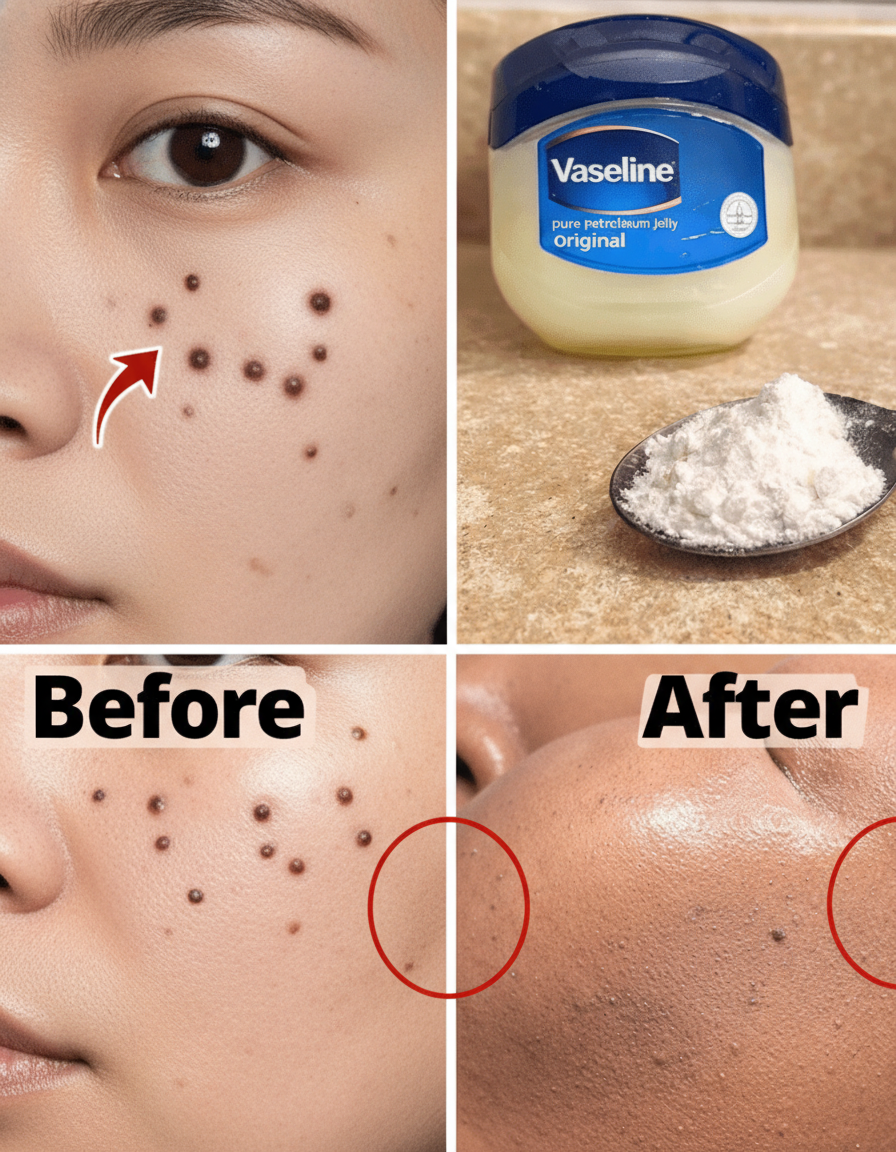
The digital landscape of social media is rife with trends promising rapid results for various skin concerns, often featuring concoctions like petroleum jelly combined with abrasive scrubs or exfoliants. However, dermatological experts strongly caution against these practices, emphasizing that such mixtures can inadvertently trap more keratin or severely compromise the skin’s delicate barrier function.
Petroleum jelly (Vaseline), being highly occlusive, possesses the potential to exacerbate buildup in areas prone to milia by hindering the skin’s natural shedding cycle. Similarly, harsh abrasive ingredients such as baking soda or coffee grounds can inflict micro-tears, induce redness, or cause excessive dryness, thereby disrupting the skin’s crucial pH balance. There is no robust scientific evidence to support the efficacy of these DIY recipes for milia removal, and the associated risks, including irritation, inflammation, or even scarring, are well-documented.
A common real-world scenario involves individuals reporting flare-ups or worsening conditions after experimenting with these home remedies, only to find genuine relief and improvement by adopting simpler, scientifically-backed skincare steps. The key takeaway here is often surprising: patience combined with consistent, gentle care frequently yields significantly superior and lasting outcomes.
Building a Safer Skincare Foundation: Gentle Habits for Enhanced Skin Texture
To effectively address milia and support a smoother skin texture, begin by implementing small, consistent changes that encourage natural cellular turnover without resorting to aggressive methods. Consider incorporating the following dermatologist-recommended strategies:
- Gentle Chemical Exfoliants: Utilize mild exfoliants such as salicylic acid (BHA) or glycolic acid (AHA) cleansers or treatments 2-3 times a week. These ingredients work to gradually dissolve dead skin cells and promote shedding without physical abrasion.
- Introduce Retinoids: Incorporate over-the-counter retinoids or retinol into your evening routine. These vitamin A derivatives accelerate cell renewal and prevent keratin buildup. Start with a low concentration once or twice a week and gradually increase frequency to avoid irritation.
- Non-Comedogenic Hydration: Opt for lightweight, non-comedogenic moisturizers that are specifically formulated not to clog pores or create an occlusive barrier that could trap keratin.
- Daily Sun Protection: Apply a broad-spectrum sunscreen with an SPF of 30 or higher every single day, even on cloudy days. Protecting your skin against UV damage is crucial, as sun exposure is a known trigger for secondary milia formation.
- Patch Testing: Always patch-test new products on a small, inconspicuous area of skin before applying them to your entire face to check for any adverse reactions.
These preventative and gently corrective steps, firmly supported by dermatology recommendations, focus on improving skin health and appearance through consistent, mindful care.
Real-Life Transformations: The Power of Consistent, Gentle Care
Consider the inspiring stories of individuals who have successfully navigated similar skin concerns. For instance, one woman in her late 50s became increasingly bothered by clusters of milia around her eyes, which impacted her daily confidence and makeup application. After transitioning to a skincare regimen that prioritized a retinol-based product and lighter, non-comedogenic formulations, she observed a gradual but significant smoothing of her skin texture over several months. This real-life example underscores the efficacy of patience and consistent adherence to a gentle, scientifically-informed skincare routine. By embracing these strategies, you too can work towards achieving a clearer, more radiant complexion.