 By admin
 Unmasking the Silent Threat: 10 Everyday Foods That Can Harm Your Liver
Your liver is an extraordinary organ, tirelessly performing over 500 vital functions every single day. From detoxifying your body and processing nutrients to regulating hormones and supporting your metabolism, it’s a true workhorse. Yet, many common foods – staples in countless kitchens – can silently burden this crucial organ over time. This sustained strain can lead to fat accumulation, inflammation, and serious conditions such as non-alcoholic fatty liver disease (NAFLD), now often referred to as metabolic dysfunction-associated steatotic liver disease (MASLD).
Extensive research consistently highlights that diets rich in added sugars, unhealthy fats, and highly processed ingredients are major contributors to liver stress, even in individuals who consume little to no alcohol. The encouraging news? Even minor, consistent dietary adjustments can significantly bolster your liver’s natural resilience and overall health. In this comprehensive guide, we’ll delve into 10 everyday foods that might be quietly compromising your liver’s well-being and offer practical, liver-friendly alternatives you can embrace today. Stay with us until the end for simple, research-backed habits that foster optimal liver function.
1. Sugary Beverages
From carbonated sodas and sweetened iced teas to energy drinks and even many seemingly innocent fruit juices, these beverages are often loaded with excessive amounts of added sugars, particularly high-fructose corn syrup. Studies reveal that the liver is the primary site for metabolizing surplus fructose, a process that can trigger fat accumulation within liver cells. Over time, this can significantly contribute to the development of NAFLD. Beyond fat storage, regular consumption of sugary drinks can also cause erratic blood sugar fluctuations, compelling your liver to work harder to maintain balance.
Better Choices: Prioritize pure water, sparkling water infused with fresh lemon or lime, or unsweetened herbal teas. These options hydrate effectively without imposing an additional burden on your liver.
2. Processed Meats
Items such as bacon, sausages, hot dogs, and various deli meats frequently contain a cocktail of preservatives, including nitrates and nitrites, alongside high levels of saturated fat and sodium. Frequent consumption of these processed foods has been consistently linked in scientific literature to increased oxidative stress and systemic inflammation. This combination places considerable strain on liver function and can contribute to broader metabolic dysregulation. The blend of unhealthy fats, sodium, and chemical additives makes processed meats a common dietary culprit.
Better Choices: Opt for fresh, lean protein sources like grilled chicken breast, turkey, fish, or embrace plant-based alternatives such as lentils, beans, and tofu.
3. “Deceptively Healthy” Breakfast Cereals
Many breakfast cereals marketed as “whole grain,” “low fat,” or “heart-healthy” paradoxically conceal substantial quantities of added sugars – often comparable to dessert portions in a single serving. Starting your day with these can lead to rapid and pronounced blood sugar spikes. In response, your liver is prompted to convert this excess glucose into stored fat, a pattern that can lead to significant fat accumulation in the liver with repeated exposure. This subtle habit can affect liver health even in individuals who consciously avoid more obvious sweet treats.
Better Choices: Choose plain rolled oats topped with fresh berries, eggs, Greek yogurt paired with nuts, or a homemade chia seed pudding for a nutritious and liver-friendly start to your day.
4. Fried Foods
Beloved comfort foods like French fries, fried chicken, donuts, and other deep-fried snacks are typically saturated with unhealthy trans fats and oils that become oxidized through repeated heating. These detrimental fats not only promote widespread inflammation throughout the body but also impair the liver’s crucial ability to efficiently process lipids. This inefficiency can directly lead to increased fat storage within the liver itself. Regular indulgence in fried foods represents a pervasive dietary habit that quietly contributes to liver damage over time.
Better Choices: Explore healthier cooking methods like air-frying or oven-baking, using a light drizzle of extra virgin olive oil for a satisfyingly crisp texture without the excessive unhealthy fats.
5. Refined Carbohydrates
Foods such as white bread, pastries, white rice, conventional pasta, and many commercially baked goods are characterized by their low fiber content. This lack of fiber results in rapid digestion and swift, dramatic increases in blood glucose levels. Consequently, the liver is forced to work overtime, converting this surplus glucose into triglycerides. When this dietary pattern is repeated daily, it can significantly contribute to fat buildup within the liver. Refined carbohydrates are ubiquitous in many diets, making this a prime area for gradual, impactful improvements.
Better Choices: Transition to whole grains such as quinoa, brown rice, barley, or whole oats. These provide a slower, sustained energy release and offer valuable dietary fiber benefits.
6. Artificially Sweetened Beverages
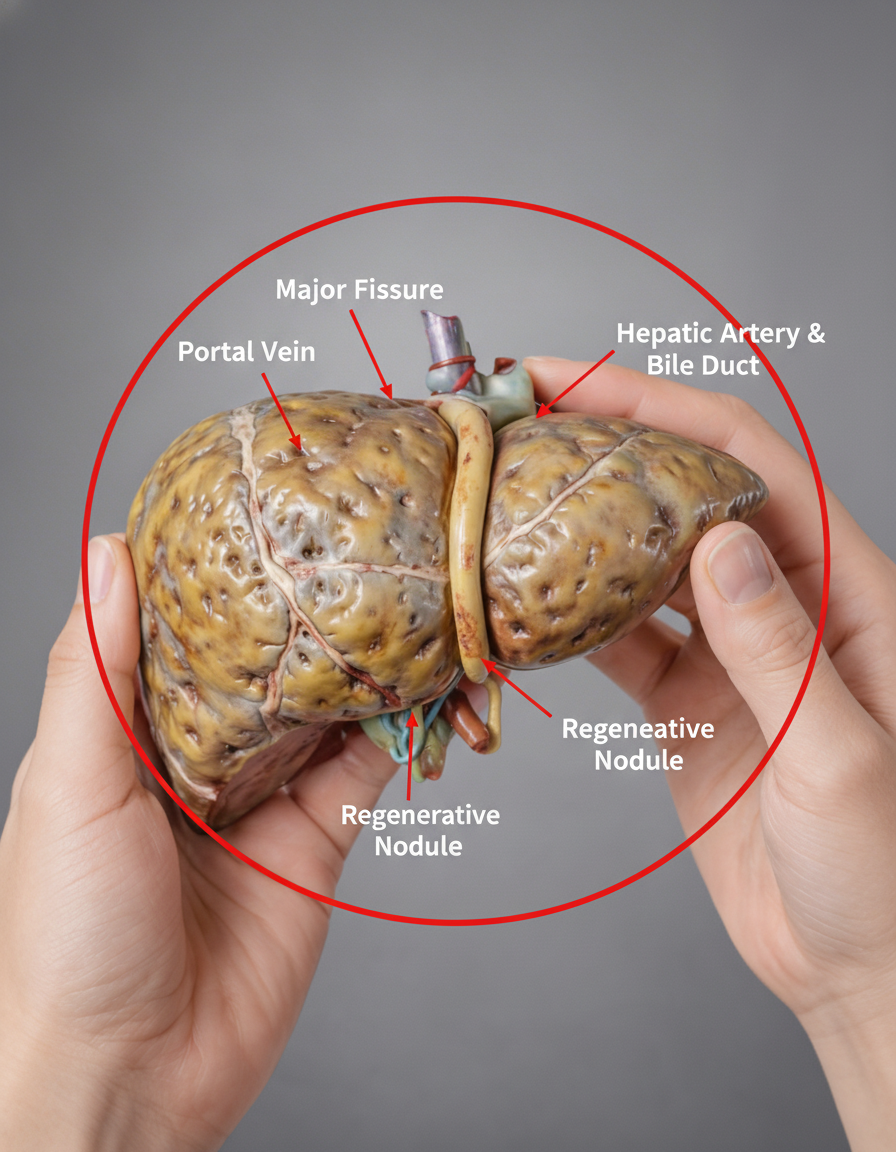
Diet sodas, “zero-sugar” drinks, and other artificially sweetened beverages might initially appear to be a healthier alternative to their sugary counterparts. However, an increasing body of research suggests that frequent consumption of artificial sweeteners could be linked to alterations in the gut microbiome and metabolic shifts that indirectly impact liver health. While the scientific evidence is still evolving, a cautious and moderate approach is advisable. Many individuals consume these drinks daily, often unaware of their potential subtle effects on overall metabolic and liver well-being.
Better Choices: Opt for naturally flavored water by infusing it with fresh cucumber, mint leaves, or berries. Alternatively, enjoy small, diluted amounts of fresh fruit juice.
7. High-Sodium Processed Foods
Foods notoriously high in sodium – including many canned soups, instant ramen noodles, heavily processed snacks, and fast-food items – can pose a silent threat to your liver. While sodium is essential, excessive intake can lead to fluid retention, contribute to elevated blood pressure, and has been implicated in some studies as a factor that can exacerbate liver fibrosis and inflammation, particularly in the context of fatty liver disease. A high-sodium diet increases the overall metabolic load on the body, indirectly impacting liver function.
Better Choices: Prioritize cooking with fresh, whole ingredients. Flavor your meals with a variety of herbs and spices instead of relying on salt, and actively seek out low-sodium versions of packaged foods.
8. Industrial Trans Fats
Beyond the trans fats found in deep-fried foods, industrial trans fats (often listed as “partially hydrogenated oil” in ingredient lists) are pervasive in many processed snacks and baked goods. These man-made fats are highly inflammatory, contributing significantly to insulin resistance and increasing the risk of cardiovascular disease. The liver struggles to process these unnatural fats efficiently, leading to increased oxidative stress and fat deposition within the organ. Regular consumption is a critical factor in the progression of liver damage.
Better Choices: Carefully read food labels and avoid products containing “partially hydrogenated oil.” Instead, incorporate healthy fats from natural sources like extra virgin olive oil, avocados, nuts, and seeds into your diet.
9. Excessive Saturated Fats (from Unhealthy Sources)
While some saturated fats are a necessary part of a balanced diet, excessive intake, particularly from unhealthy sources, can be detrimental to liver health. This includes large quantities of full-fat dairy products (like high-fat cheeses, butter, and cream), very fatty cuts of red meat, and certain tropical oils (such as coconut and palm oil) when consumed in abundance within processed foods. Overconsumption contributes to insulin resistance, systemic inflammation, and a significant increase in fat accumulation within the liver, potentially worsening or initiating conditions like MASLD.
Better Choices: Favor lean protein sources, opt for lower-fat dairy options, and prioritize healthy monounsaturated and polyunsaturated fats found in foods like avocados, nuts, seeds, and olive oil.
10. Highly Processed Snack Foods
Many popular snack foods – think potato chips, commercial crackers, instant meals, and candy bars – represent a perfect storm of liver-damaging ingredients. They often combine high levels of unhealthy fats (trans and saturated), excessive added sugars, refined carbohydrates, and various artificial additives and preservatives. This potent cocktail creates a substantial metabolic burden, fueling inflammation, oxidative stress, and promoting fat storage in the liver, forcing this vital organ to work far beyond its optimal capacity.
Better Choices: Reach for whole, unprocessed snacks such as fresh fruits and vegetables (like carrot sticks or apple slices), a handful of nuts or seeds, or plain air-popped popcorn for a healthier alternative.
Protecting Your Liver: Simple Daily Habits for Optimal Health
Understanding which foods can harm your liver is the first step toward safeguarding its health. Beyond making mindful food choices, incorporating a few simple, everyday habits can significantly support your liver’s incredible capacity for regeneration and detoxification:
- Stay Hydrated: Drinking plenty of water helps your liver flush out toxins more efficiently.
- Engage in Regular Physical Activity: Exercise helps reduce liver fat, improves insulin sensitivity, and supports overall metabolic health.
- Maintain a Healthy Weight: Obesity is a primary risk factor for NAFLD/MASLD. Even modest weight loss can dramatically improve liver health.
- Limit Alcohol Intake: While this article focuses on non-alcoholic factors, minimizing alcohol consumption is always beneficial for liver health.
- Prioritize Whole Foods: Build your diet around fruits, vegetables, lean proteins, and whole grains to provide your liver with essential nutrients and reduce its workload.
- Get Adequate Sleep: Quality sleep supports the body’s natural restorative processes, including liver detoxification.
By making conscious decisions about what you eat and integrating these healthy lifestyle practices, you empower your liver to continue its vital work, ensuring your long-term health and well-being. Your liver works tirelessly for you; it’s time to return the favor with nourishing choices.