 By admin
 Imagine going about your day, perhaps enjoying a peaceful walk or relaxing at home, when an inexplicable discomfort begins to manifest. It might be a persistent ache in your chest, a nagging cramp in your leg, or a sudden shortness of breath. These subtle sensations are often easily dismissed as minor ailments, everyday fatigue, or simply the effects of aging. However, such seemingly innocuous symptoms can sometimes be the earliest indicators of a serious medical condition: a blood clot.
A blood clot, particularly deep vein thrombosis (DVT) in the legs or a pulmonary embolism (PE) in the lungs, poses a significant, potentially life-threatening risk if not identified and treated promptly. While individuals over 45 are at a heightened risk—especially those with factors like prolonged immobility, recent surgery, or certain pre-existing health conditions—the challenge lies in the fact that many of these critical warning signs often mimic less severe issues, leading to dangerous delays in seeking medical help. Could understanding these vital early signals be the key to safeguarding your health and even saving your life? Let’s delve into the crucial symptoms that demand your attention, drawing insights from reputable health organizations such as the Mayo Clinic, the Centers for Disease Control and Prevention (CDC), and the Cleveland Clinic.
Understanding Blood Clots and Their Elusive Nature
Blood clots form when blood thickens and clumps together, typically within a vein. Deep vein thrombosis (DVT) most commonly develops in the deep veins of the legs. What makes DVT particularly insidious is its often silent onset; up to half of all cases initially present with no obvious symptoms. The real danger escalates if a piece of this clot dislodges and travels through the bloodstream to the lungs, leading to a pulmonary embolism (PE). This condition is far more severe and can be fatal without immediate medical intervention.
The deceptive nature of blood clot symptoms is a major hurdle in early detection. Many initial signs can be easily confused with common muscle aches, general fatigue, or even normal signs of aging. How often have you brushed off a mild, lingering ache in your calf, assuming it would simply resolve on its own? Recognizing unusual patterns in your body and understanding what constitutes a potential red flag is paramount for your overall well-being.
Critical Warning Signs of Blood Clots to Recognize
Timely recognition of these common blood clot warning signs can be life-saving. Pay close attention to any of the following:
Unilateral Swelling in an Extremity
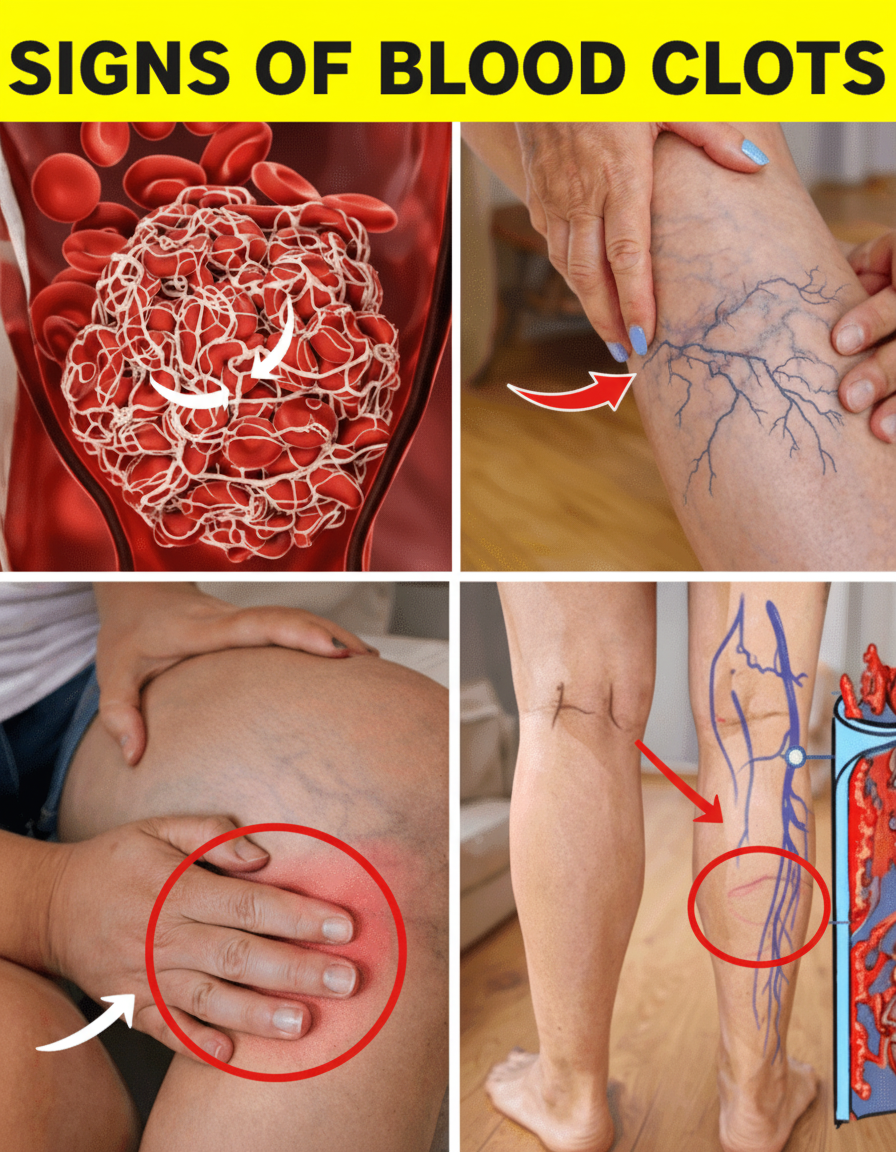
Sudden and unexplained swelling that affects only one leg or arm—often observed in the calf, thigh, or a single arm—is a primary indicator that a blood clot might be obstructing normal blood flow. Both the Mayo Clinic and CDC emphasize this as a hallmark symptom of DVT. The affected limb may appear noticeably larger than the other.
Persistent, Cramp-Like Discomfort
Experiencing pain or a cramping sensation in your calf, thigh, or arm that feels like a stubborn muscle cramp and doesn’t subside can be a significant alert. If this discomfort intensifies with movement or walking, it warrants immediate attention. While easily mistaken for routine muscle soreness, if the pain persists despite rest, it’s crucial to consult a healthcare professional.
Localized Warmth in the Affected Region
You might notice that the skin over the area of potential clot formation feels distinctly warmer to the touch compared to the surrounding or opposite limb. This increased warmth is a common manifestation of inflammation occurring around the clot, signaling a disruption in normal circulation.
Skin Discoloration or Changes
The skin overlying the clot may exhibit a reddish, purplish, or bluish tint. It can also appear unusually shiny or feel taut. For individuals with darker skin tones, these color changes may be more subtle, necessitating a careful assessment for any unusual shifts in skin texture or tone. Such alterations directly result from the clot impeding the flow of oxygen-rich blood.
Sudden and Unexplained Shortness of Breath
An abrupt onset of difficulty breathing, particularly if it worsens with physical activity or exertion, is one of the most critical and alarming symptoms of a pulmonary embolism (PE). This constitutes a medical emergency requiring immediate attention.
Sharp Chest Pain Aggravated by Breathing
If you experience an acute, stabbing, or sharp pain in your chest that intensifies when you take a deep breath, cough, or move, this could be a strong indication of a PE. This type of chest pain can sometimes be mistaken for a heart attack and should never be overlooked.
Rapid or Irregular Heartbeat
A noticeably fast or erratic heartbeat, even when you are at rest, can signal a blocked artery in the lungs (PE). This occurs as your heart attempts to compensate for the reduced blood flow and oxygen supply, making it a serious cause for concern.
Coughing Up Blood-Streaked Mucus
Developing a sudden, unexplained cough that produces mucus streaked with blood or contains visible blood is a significant warning sign. This symptom suggests that a clot may be causing irritation and bleeding within your lungs, necessitating urgent medical evaluation.
Lightheadedness, Dizziness, or Fainting Spells
Sudden feelings of lightheadedness, dizziness, or even fainting can occur due to a drop in blood pressure or oxygen levels, especially in the context of a PE. These are alarming symptoms that demand immediate medical assessment.
Excessive Sweating or Clammy Skin
Experiencing cold, clammy skin accompanied by heavy, unexplained sweating can indicate that your body is under significant stress, often a sign of a severe systemic response to a critical event like a pulmonary embolism.
Recognizing these warning signs is the first step toward prompt medical intervention. If you experience any combination of these symptoms, especially if you have risk factors for blood clots, do not hesitate to seek immediate medical advice. Early diagnosis and treatment are vital for preventing severe complications and ensuring a positive outcome.