 By admin
 Unmasking the Unseen: 11 Subtle Diabetes Signs Many People Miss in Daily Life
Experiencing persistent, unexplained discomfort can be incredibly frustrating, particularly when minor shifts in your body feel easy to dismiss. Often, issues like dry lips, unusual tiredness, or peculiar skin sensations are quickly attributed to stress, environmental factors, or the natural aging process. However, these seemingly insignificant daily signals could actually be your body’s subtle way of indicating a need for closer examination. Notably, one crucial indicator highlighted towards the end of this article is frequently overlooked.
Why Early Recognition of Diabetes Symptoms is Crucial
For many, the concept of diabetes is primarily linked to explicit blood sugar tests or highly visible symptoms. Yet, in reality, the onset of such conditions is often far more nuanced. Subtle physiological changes frequently emerge discreetly, integrating themselves into our daily habits and routines. Identifying these early warning signs of diabetes empowers you to make proactive, informed lifestyle adjustments and consult healthcare professionals promptly, rather than delaying intervention. Moreover, some of these indicators manifest in areas that most individuals wouldn’t instinctively associate with metabolic health, making them even easier to miss.
1. Persistent Dry Mouth and Cracked Lips
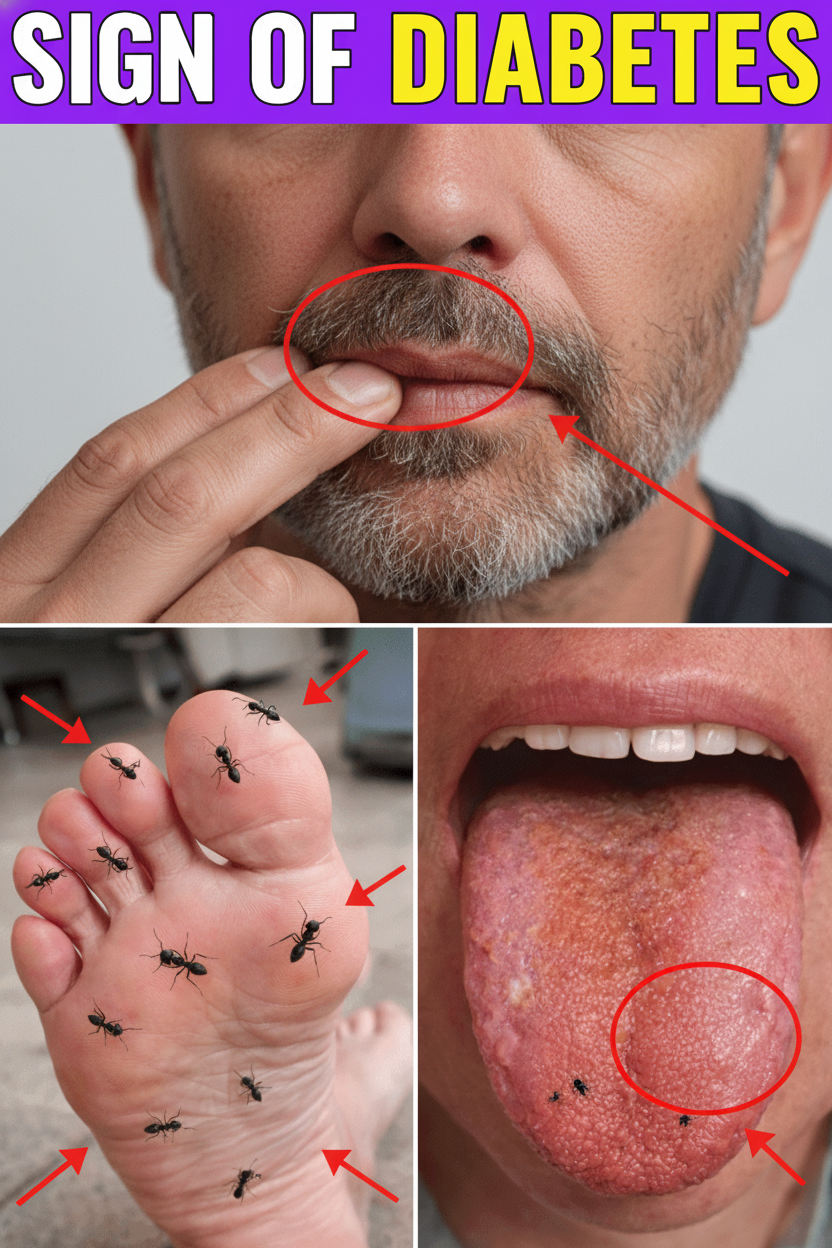
Constantly experiencing a dry mouth or noticing your lips crack with unusual ease might seem like a simple hydration problem. However, scientific studies indicate a strong correlation between frequent dehydration and elevated blood sugar levels, which can subsequently diminish saliva production. This connection is significant because saliva plays a vital role in safeguarding your teeth and oral tissues. A reduction in its presence can lead to increased discomfort and a higher incidence of dental and gum issues.
2. Unquenchable Thirst (Polydipsia)
Finding yourself drinking plenty of water yet still feeling persistently thirsty is another understated indicator. This often occurs because your body is working harder to eliminate excess glucose through increased urination, resulting in significant fluid loss. What makes this particularly noteworthy is that many individuals, instead of opting for plain water, often reach for coffee or sugary beverages, inadvertently exacerbating this cycle and potentially worsening their blood sugar control.
3. Frequent Nighttime Urination (Nocturia)
Waking repeatedly throughout the night to urinate is a common complaint, frequently attributed to factors like aging or poor sleep quality. Nevertheless, research consistently demonstrates that this symptom can also be directly linked to how effectively your body processes glucose and manages fluid balance. Paying attention to nocturia is crucial, as disrupted sleep patterns can profoundly impact your energy levels, cognitive focus, and overall mood the following day.
4. Tingling or Crawling Sensations in Feet (Neuropathy)
Experiencing an unusual crawling or tingling sensation in your feet might initially seem innocuous. Some describe it as a feeling akin to ants moving across the skin. The significant connection here lies in the fact that alterations in nerve sensitivity are commonly observed in individuals experiencing prolonged periods of elevated blood sugar levels, often a precursor to diabetic neuropathy.
5. Slow Healing of Minor Cuts or Scratches
When minor wounds, such as small cuts or abrasions, take an unusually long time to heal, it could serve as another subtle warning sign. Both efficient blood circulation and a robust immune response are critical to the body’s repair processes. Scientific studies consistently suggest that persistently high glucose levels can significantly impair the body’s ability to efficiently repair damaged tissues, making healing a much slower process.
6. Recurrent Skin Irritation or Itching
Chronic itching, particularly in skin folds, is frequently brushed off as mere dryness or an allergic reaction. Yet, the health and appearance of your skin are intimately linked to your internal metabolic balance. It’s important to remember that vibrant, healthy skin is heavily dependent on optimal hydration and efficient blood circulation, both of which can be compromised by uncontrolled blood sugar.
7. Fluctuating or Blurred Vision
While occasional blurry vision after extended screen use is a common occurrence, experiencing vision that fluctuates without an obvious cause warrants closer investigation. From a scientific perspective, changes in fluid levels within the eyes can temporarily alter the lens’s ability to focus, a phenomenon often observed when blood sugar levels are unstable or elevated.
8. Unexplained Post-Meal Fatigue
Feeling unusually exhausted or sluggish shortly after consuming a meal can be quite perplexing. Rather than experiencing an energy boost, the body often feels heavy and lethargic. This phenomenon typically occurs because your system might be struggling or working excessively hard to process and manage the influx of glucose following a meal, diverting energy away from other functions.
9. Persistent Hunger Even After Eating (Polyphagia)
Consuming a sufficient meal yet feeling hungry again very soon afterward is another frequently overlooked indicator. This isn’t necessarily about calorie intake; rather, the fundamental issue often lies in the body’s cells not efficiently utilizing the glucose (energy) that is readily available in the bloodstream, leading to a continuous signal of hunger.
10. Mood Swings and Difficulty Concentrating
Symptoms such as increased irritability, experiencing “brain fog,” or struggling with focus are commonly attributed to stress or lack of sleep. However, mental clarity and emotional stability are profoundly influenced by metabolic balance. Research consistently demonstrates that maintaining stable blood sugar levels is essential for consistent, optimal brain function and a balanced mood.
11. Changes in Tongue Appearance or Oral Comfort
This particular sign is one that rarely enters general discussion, yet it can be quite telling. A tongue that consistently appears unusually dry, heavily coated, or causes general oral discomfort might be a subtle reflection of internal metabolic shifts. The importance of this lies in the fact that oral tissues are highly sensitive indicators of both hydration status and circulatory health, positioning them as potential early messengers of systemic imbalance.
Simple Daily Habits to Boost Your Metabolic Awareness
Cultivating greater awareness of your metabolic health doesn’t necessitate radical lifestyle overhauls. In fact, even small, consistent steps can yield significant benefits. Consider integrating these practical actions into your daily routine:
- Prioritize consistent hydration by drinking plain water frequently throughout the day.
- Mindfully observe and note any patterns in your energy levels, particularly after meals.
- Establish and adhere to a regular sleep schedule, maintaining consistent sleep and wake times.
- Opt for well-balanced meals that prioritize fiber-rich foods to support stable blood sugar.
- Ensure you schedule and attend routine health check-ups with your doctor for professional guidance.
How to Monitor Changes Without Overwhelm
Maintaining consistency in tracking your health observations is far easier when the process remains straightforward and stress-free. Adopt a gentle, manageable approach:
- Keep a simple journal or use a note-taking app to record any unusual sensations, symptoms, or changes you notice.
- Focus on patterns rather than isolated incidents, noting when symptoms occur and what might precede them.
- Discuss your observations openly and honestly with your healthcare provider during your regular check-ups.