 By admin
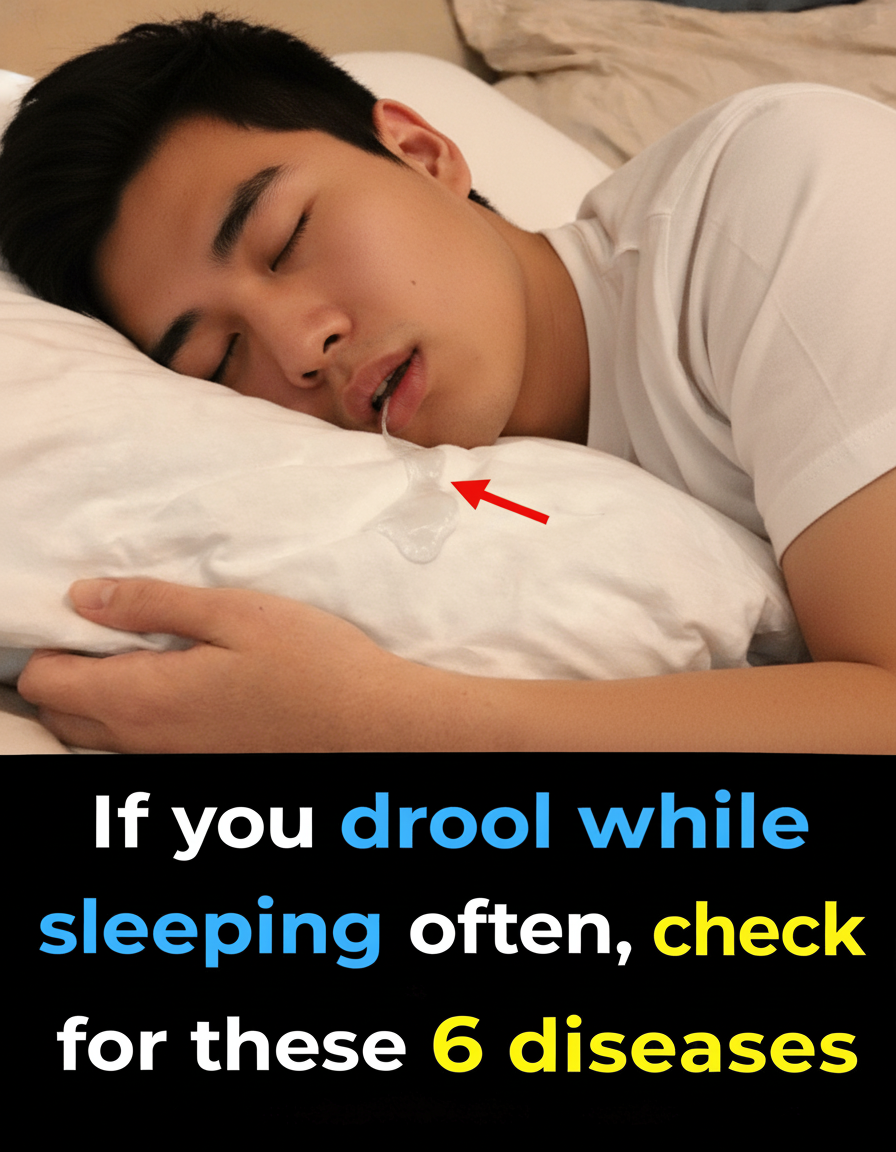
 Discovering a wet pillow upon waking can be a common yet perplexing experience. While it’s often dismissed as simply “sleeping soundly,” persistent nocturnal drooling might subtly indicate more significant underlying health concerns, such as digestive imbalances, respiratory difficulties, or chronic sinus congestion. The encouraging news is that by comprehending these potential root causes and implementing straightforward lifestyle modifications, you can proactively address the issue, starting tonight. Furthermore, we’ll unveil an often-missed habit towards the end that many find quite surprising.
Why Does Drooling During Sleep Happen in the First Place?
Saliva serves crucial functions in digestion, maintaining oral hygiene, and safeguarding your teeth. During periods of rest, your natural swallowing reflex typically diminishes. If your body produces an excess of saliva or your mouth remains open, drooling can readily occur. However, here’s a critical distinction: occasional drooling is normal. Frequent episodes or sudden alterations in drooling patterns, especially when accompanied by other symptoms, warrant closer attention. Research in the fields of sleep medicine and neurology demonstrates that shifts in breathing patterns, neural control, or inflammation within the mouth and throat can all impact saliva management while you sleep. Let’s delve into the six most prevalent contributing factors.
1. Gastroesophageal Reflux and Digestive Imbalance
When stomach acid ascends back into the esophagus, a condition widely recognized as acid reflux, your body may react by generating additional saliva to help neutralize the acid. This protective reflex is sometimes referred to as water brash.
Why reflux can increase drooling
- Acid irritation prompts increased saliva production
- A supine (lying down) position exacerbates acid backflow
- Swallowing frequency naturally decreases during sleep
You might also notice
- A burning sensation in the chest
- An unpleasant sour taste in the mouth
- Persistent throat clearing
- Nighttime coughing spells
Studies published in reputable gastroenterology journals highlight that reflux episodes occurring at night are more prone to causing symptoms because the force of gravity no longer assists in keeping acid contained. And here’s a point many overlook: even mild reflux can trigger excessive saliva production without the presence of severe heartburn.
2. Sleep Apnea and Mouth Breathing
Sleep apnea is a medical condition characterized by repeated interruptions in breathing throughout the sleep cycle. When the airway becomes obstructed, individuals often resort to breathing through their mouths, which can directly lead to drooling.
Common signs of sleep apnea
- Loud, disruptive snoring
- Gasping or choking sounds during the night
- Morning headaches
- Persistent daytime fatigue
- Dry mouth upon waking
Sleep medicine investigations indicate that untreated sleep apnea not only impairs breathing but also disrupts saliva control due to its impact on normal sleep cycles. But that’s not all; chronic mouth breathing itself, whether a consequence of apnea or nasal obstruction, can intensify drooling simply because the lips are unable to remain closed.
3. Oral and Throat Infections
Inflammation within the oral cavity can stimulate heightened saliva production. Conditions such as gingivitis (gum inflammation), tonsillitis, dental caries (tooth decay), and mouth ulcers can irritate tissues and make swallowing uncomfortable. This discomfort can cause saliva to accumulate and spill out during sleep.
Watch for
- Bleeding gums
- Persistent bad breath
- Pain experienced during swallowing
- Swollen tonsils
- Ongoing mouth discomfort
Dental research consistently demonstrates that gum disease and unaddressed oral infections negatively affect both saliva flow and the coordination required for swallowing. The intriguing aspect? Many adults are unaware that even minor gum inflammation alone can contribute to increased drooling.
4. Early Warning Signs of a Stroke
In older adults, sudden drooling from only one side of the mouth can occasionally signal an underlying neurological concern. If this unilateral drooling is accompanied by facial asymmetry, slurred speech, or sudden weakness, immediate medical attention is absolutely vital.
Warning signs include
- Drooling exclusively from one side
- Noticeable facial drooping
- Difficulty articulating words clearly
- Weakness in an arm
- Sudden onset of confusion
Neurology guidelines unequivocally stress that these symptoms necessitate urgent medical evaluation. Important: If drooling manifests suddenly alongside changes in facial appearance or difficulty breathing, seek emergency care without delay.
5. Facial Nerve Weakness
The facial nerve, also identified as cranial nerve VII, plays a critical role in controlling the muscles responsible for lip closure and effective saliva management. When this nerve becomes inflamed or temporarily weakened, one side of the face may not function as it normally should.
Signs of facial nerve weakness
- Drooling localized to one side
- Trouble closing one eye completely
- An uneven or asymmetrical smile
- A sensation of facial tightness or generalized weakness
Most instances show improvement over time with appropriate medical guidance, but an early assessment helps ensure the best possible care. Here’s what differentiates this from drooling caused by sleep position: it typically affects only one side of the face and persists even during waking hours.