 By admin
 Unveiling Ancient Wisdom: Can the Common Weed Euphorbia hirta Support Everyday Eye Comfort?
In our modern world, many individuals experience a range of eye discomforts, from the persistent strain of prolonged screen time to occasional dryness and a general sense of fatigue that can hinder daily focus and clarity. These issues often accumulate subtly, leading to tired, irritated eyes and making routine activities like reading or driving feel more challenging. While conventional remedies such as eye drops or sufficient rest offer symptomatic relief, an increasing number of people are exploring natural, supportive options rooted in time-honored traditions.
What if a prevalent plant, frequently dismissed as a mere weed, has been utilized for generations in traditional herbal practices to promote eye-related comfort? This article delves into the fascinating world of Euphorbia hirta—known by various common names such as asthma plant or dudhi—and its historical role in holistic approaches to eye wellness. Continue reading to discover its traditional applications, what limited scientific investigations suggest, and important considerations for its use.
What Exactly Is Euphorbia hirta?
Euphorbia hirta is a modest, annual herbaceous plant belonging to the Euphorbiaceae family, widely distributed across tropical and subtropical regions globally. It typically grows close to the ground, characterized by its hairy stems, small green leaves, and clusters of tiny flowers. Historically, due to its varied traditional associations, it has been referred to as asthma weed, garden spurge, or pill-bearing spurge.
A distinctive feature of this plant, common to the Euphorbia genus, is its milky latex sap. While this sap can cause skin or eye irritation if handled without care, traditional practitioners have meticulously prepared the plant for a multitude of applications. Far from being a rare or exotic herb, Euphorbia hirta is a ubiquitous roadside plant in many areas, making it readily available for folk medicinal practices. However, its significance extends beyond its commonality, as traditional knowledge systems have long recognized its potential for more than just respiratory support.
Traditional Applications of Euphorbia hirta for Eye Comfort
Across diverse folk medicine traditions, particularly in parts of Asia, Africa, and Latin America, Euphorbia hirta has been employed to alleviate minor eye irritations. Historical records detail external applications of diluted latex or specialized plant preparations, such as gently dabbing small quantities on the lower eyelids to ease soreness or general discomfort – a practice reminiscent of how some cultures use natural kajal or surma.
Certain accounts also document its use for conditions like conjunctival irritation or as a general eye soother within traditional settings. For instance, in specific ethnobotanical practices, preparations derived from the plant were explored for their potential to support comfort during minor inflammations or environmental stress. It’s crucial to note that these applications are a product of generations of careful observation and knowledge passed down through herbalists and their communities. While not a conventional recommendation in modern ophthalmology, these historical uses underscore humanity’s enduring quest for natural allies in maintaining eye wellness.
What Does Contemporary Research Indicate?
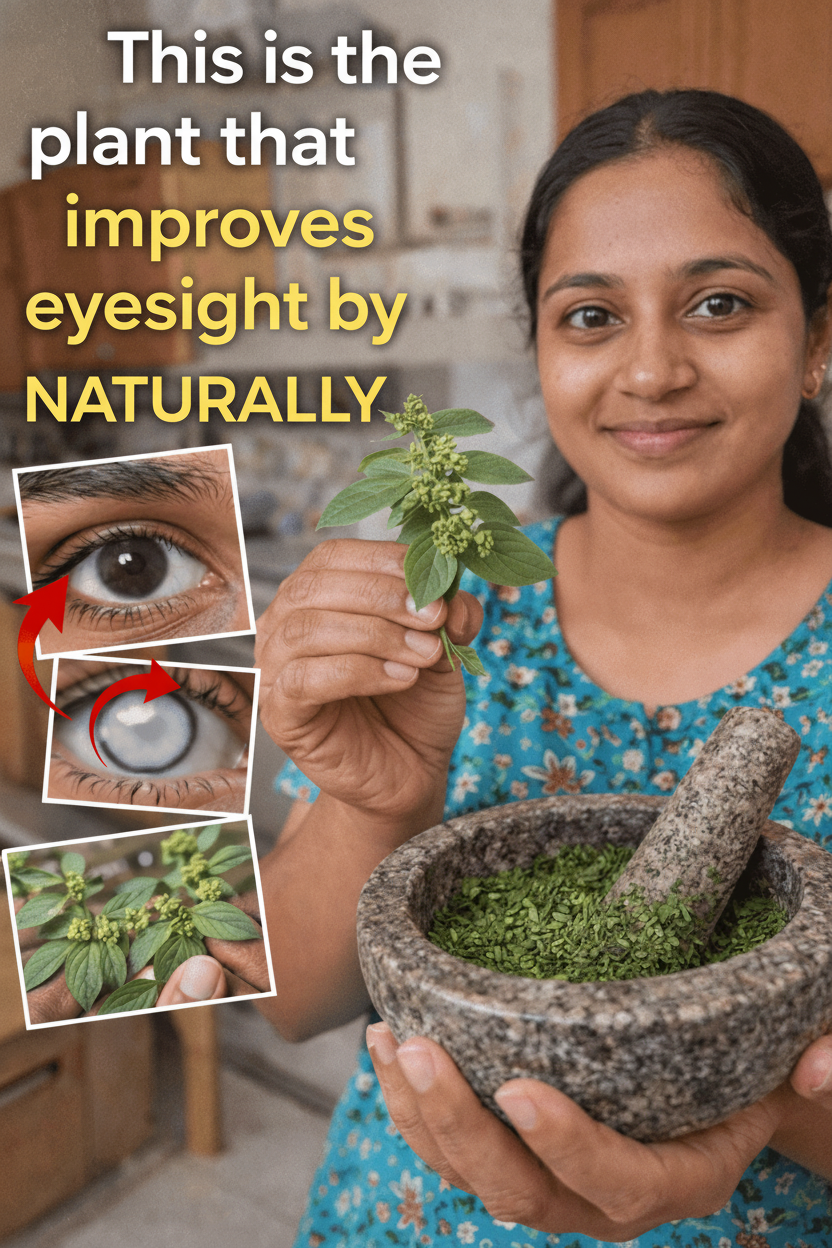
Scientific inquiry into Euphorbia hirta predominantly focuses on its broader pharmacological properties, such as its rich content of antioxidant and anti-inflammatory compounds (including flavonoids, tannins, and various other phytochemicals). Studies have investigated these compounds in the context of general health and wellness; however, direct scientific evidence specifically supporting eye health remains considerably limited.
One notable animal study explored an ethanolic extract of the plant in a model of induced lens opacity, observing potential supportive effects on ocular structures. Other research highlights the plant’s robust antioxidant profile, which could theoretically contribute to protecting cells from daily oxidative stress – a recognized factor in overall eye comfort. Nevertheless, human clinical trials specifically designed to assess its efficacy for vision support or comprehensive eye health are scarce. The majority of available data stems from traditional documentation and preliminary laboratory investigations.
Reputable health organizations like WebMD acknowledge the plant’s traditional uses but emphasize the lack of robust scientific evidence to substantiate many of its purported claims. Therefore, it is prudent to view Euphorbia hirta as a component of a holistic wellness approach rather than a scientifically proven solution for eye conditions. Always prioritize evidence-based eye care and consult with qualified healthcare professionals for any eye-related concerns.
Key Bioactive Compounds Present in Euphorbia hirta
This intriguing plant contains a spectrum of bioactive elements that continue to captivate researchers:
- Flavonoids: Renowned for their potent antioxidant activity, these compounds help neutralize free radicals that can impact cells throughout the body, including those within the eyes.
- Tannins and Polyphenols: These compounds may contribute to the mild anti-inflammatory support observed in traditional preparations.
- Other Phytochemicals: A diverse array of additional plant chemicals further contributes to the plant’s overall profile and its efficacy in various folk uses.
While these compounds are prevalent in many herbs valued for their health benefits, their specific and direct impact on human eye comfort and health requires more targeted and extensive scientific investigation.
Approaching Traditional Uses of Euphorbia hirta (With Utmost Caution)
If you are exploring traditional herbal practices, it’s essential to understand how Euphorbia hirta has been prepared historically – always with paramount importance placed on safety: Identify the plant